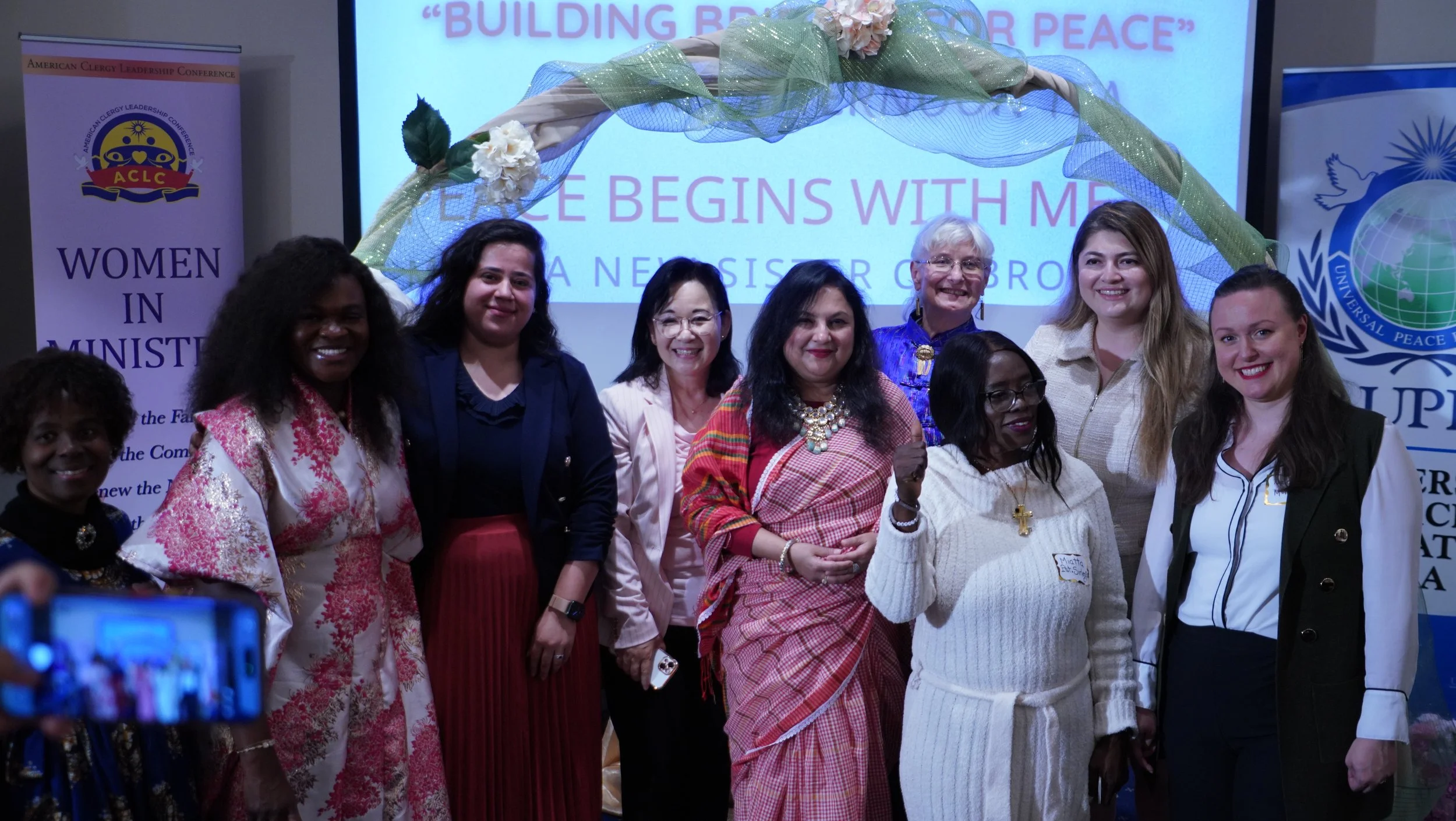
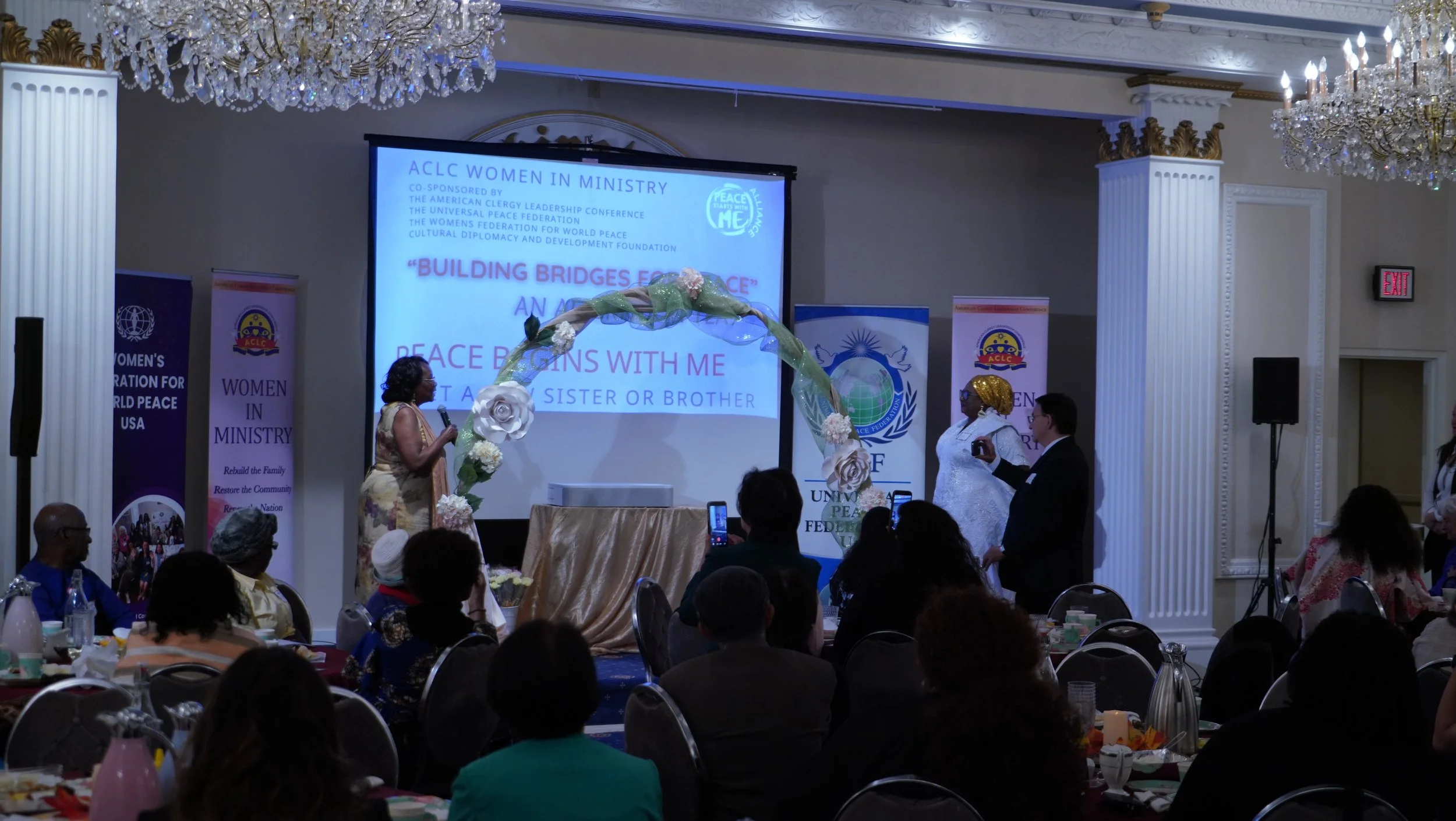
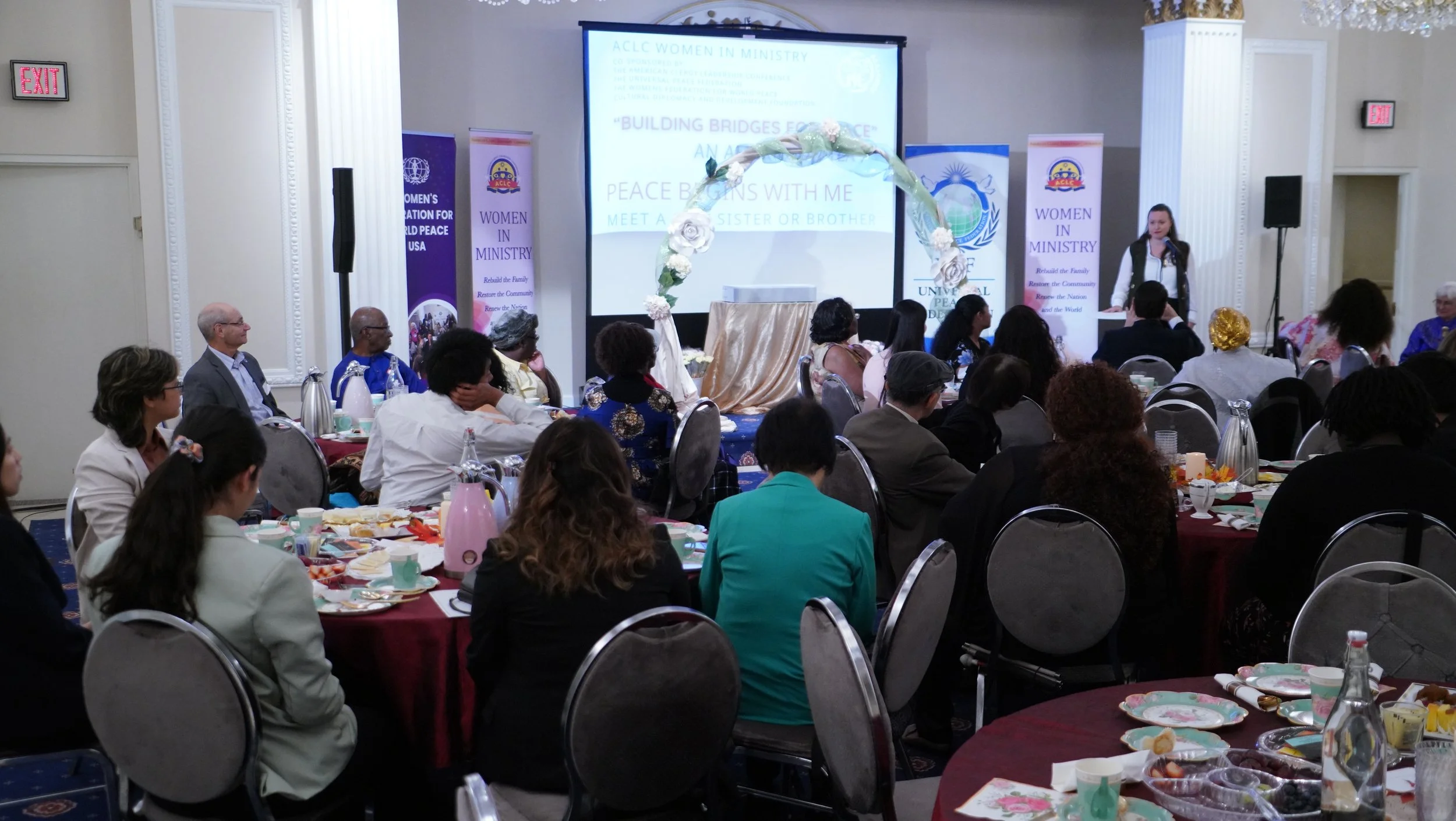
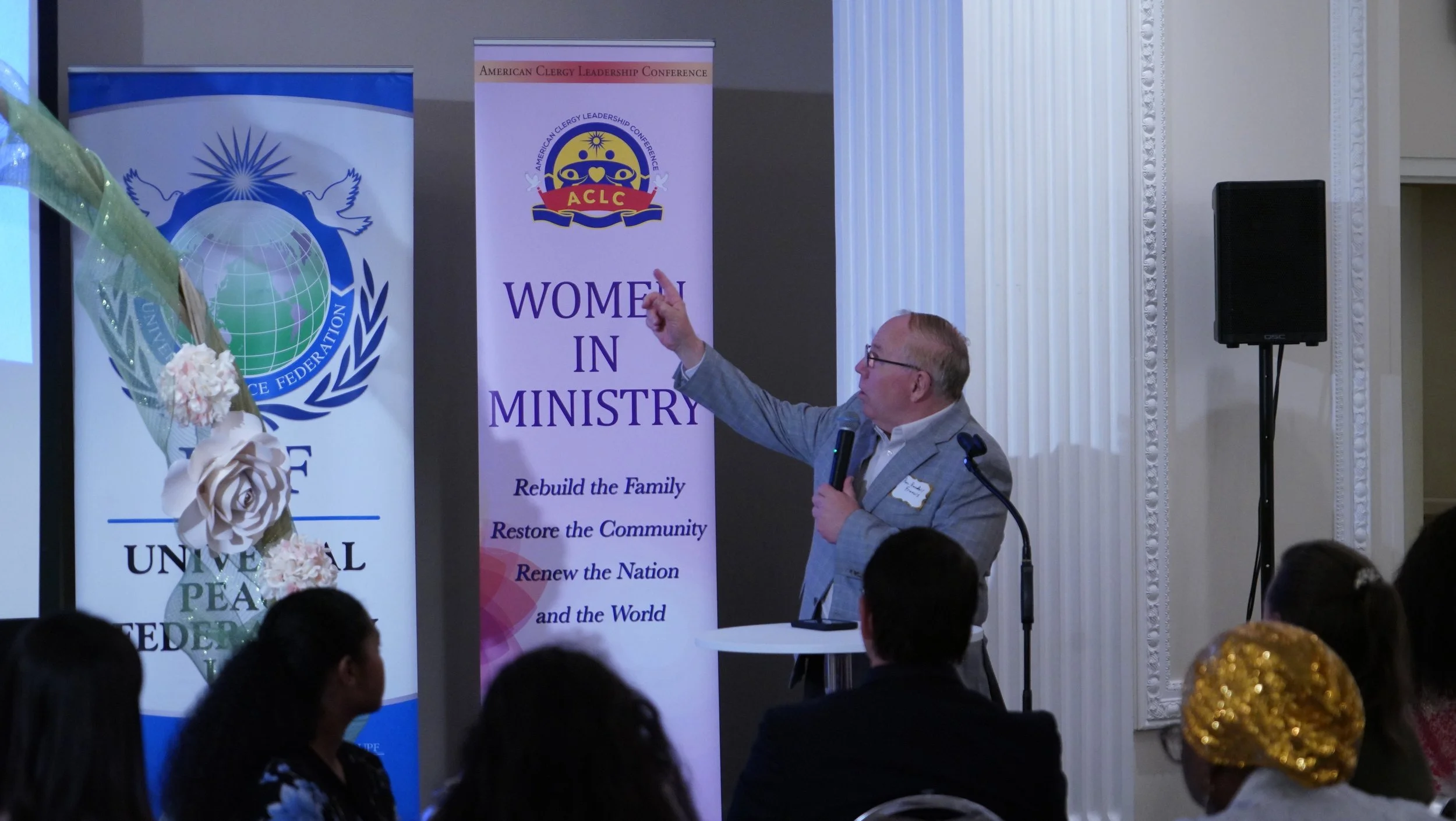
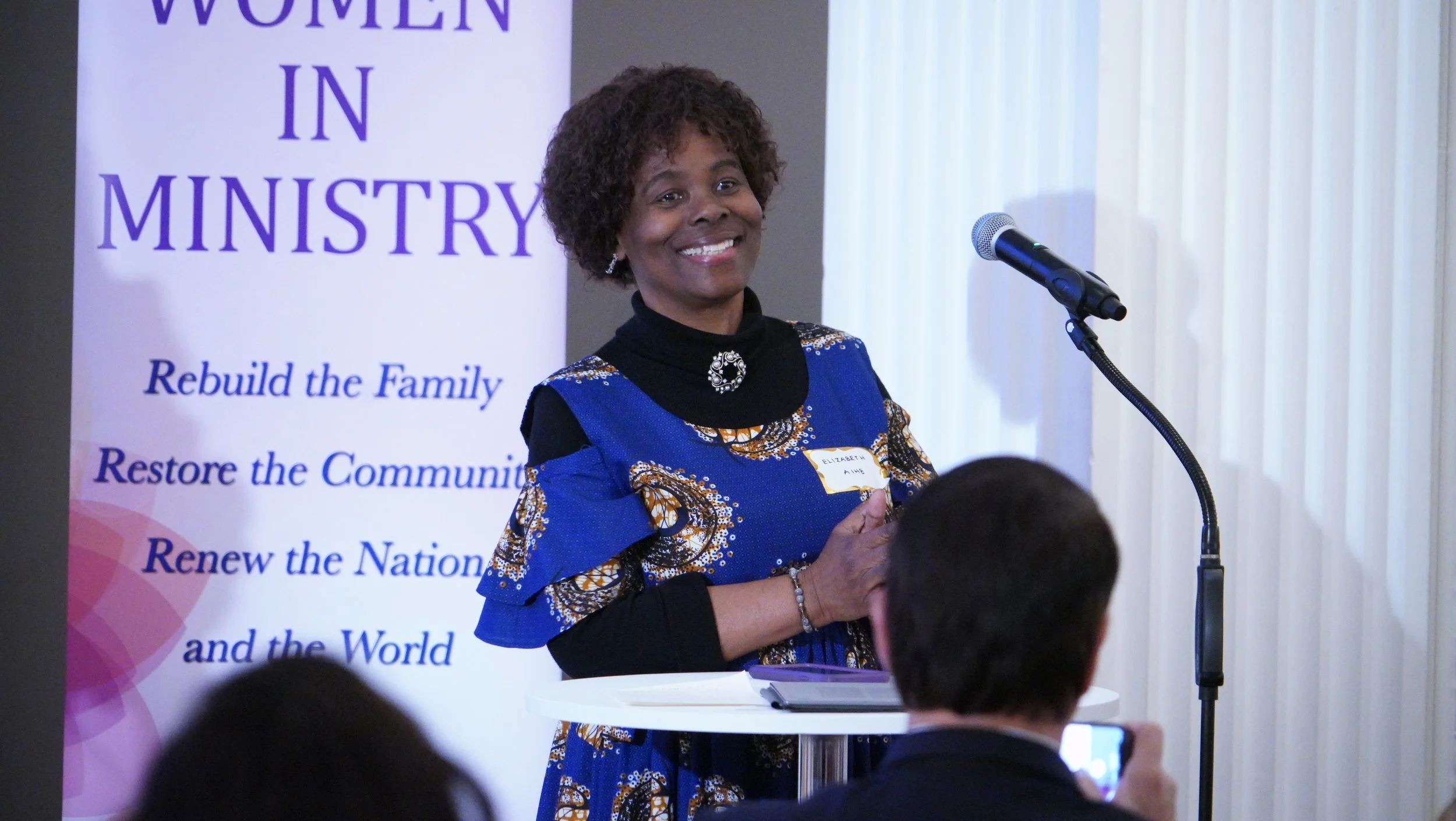
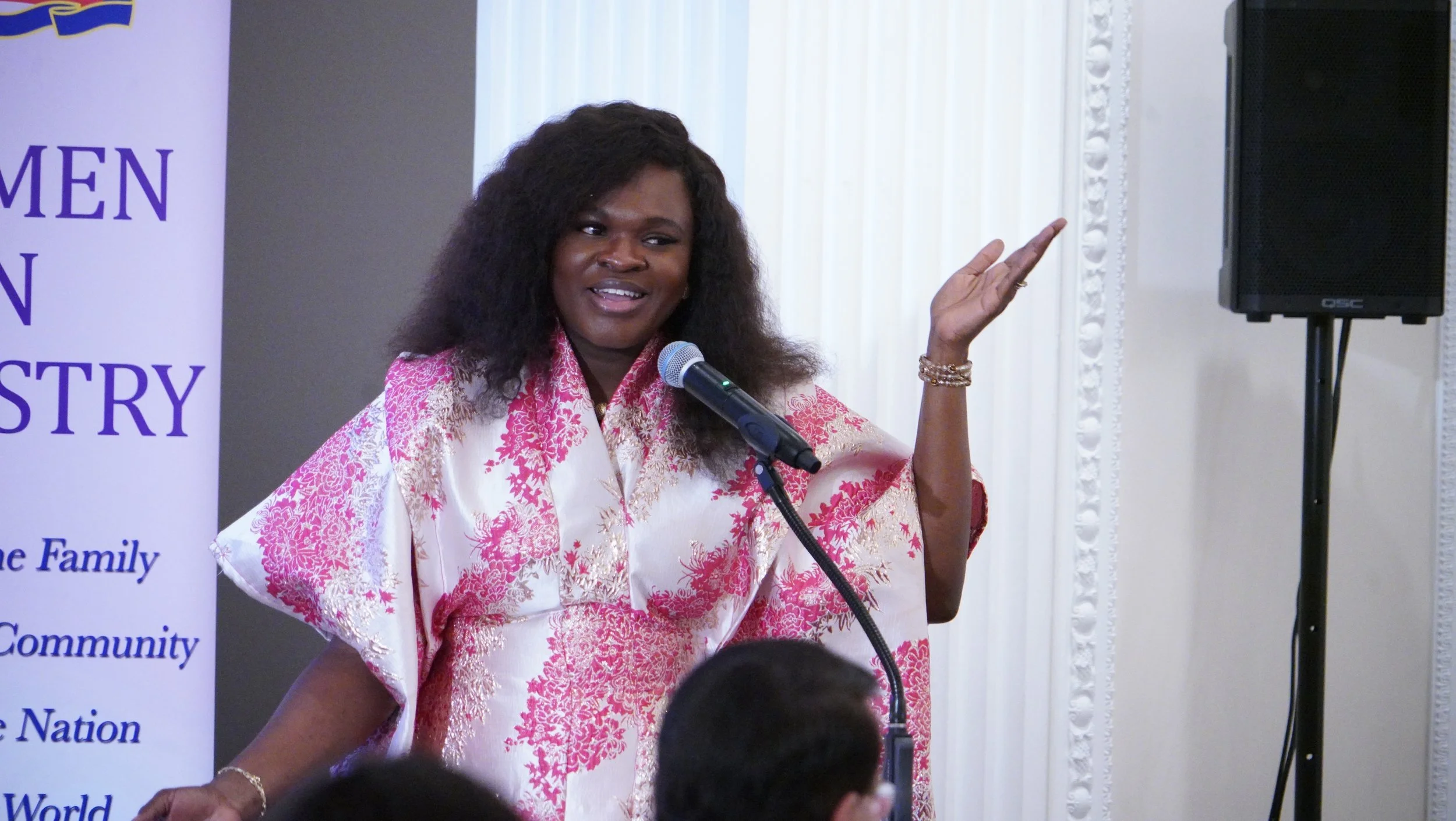
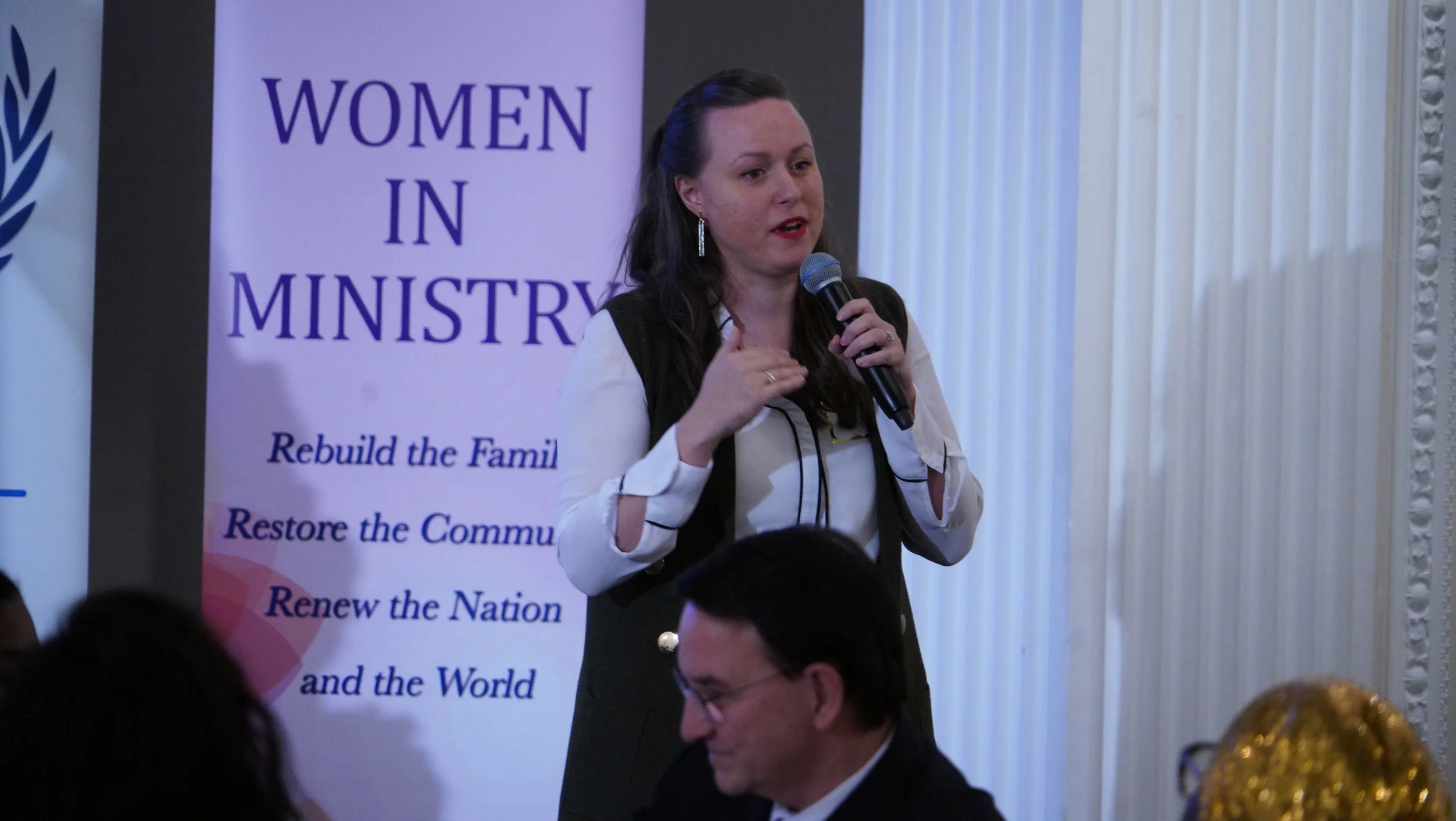
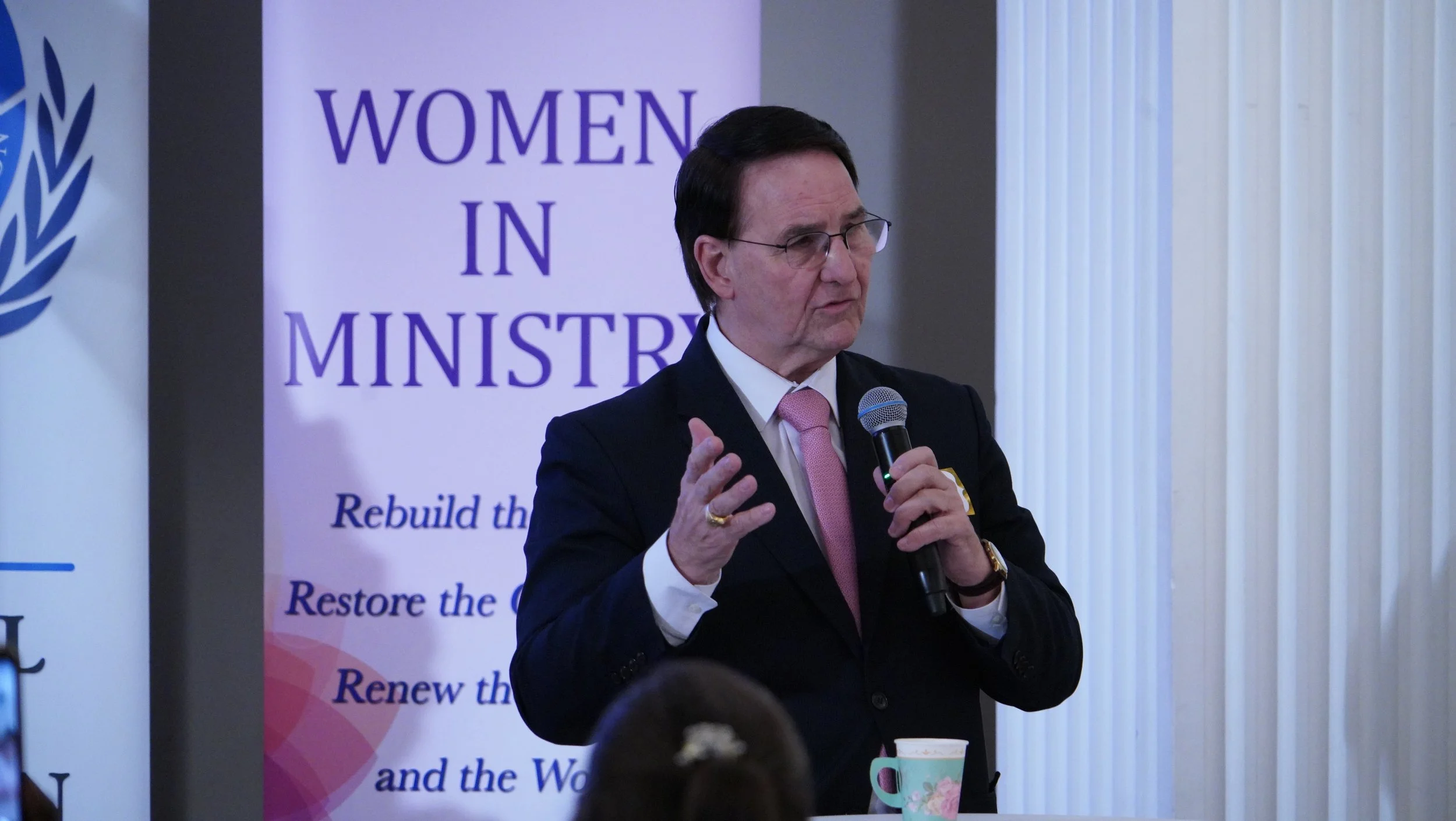
On October 24, 2026, nearly 80 women of faith, clergy, and community leaders gathered at The Washington Times building in Washington, DC, for an afternoon of friendship, fellowship, and meaningful connections under the theme “Building Bridges for Peace.”
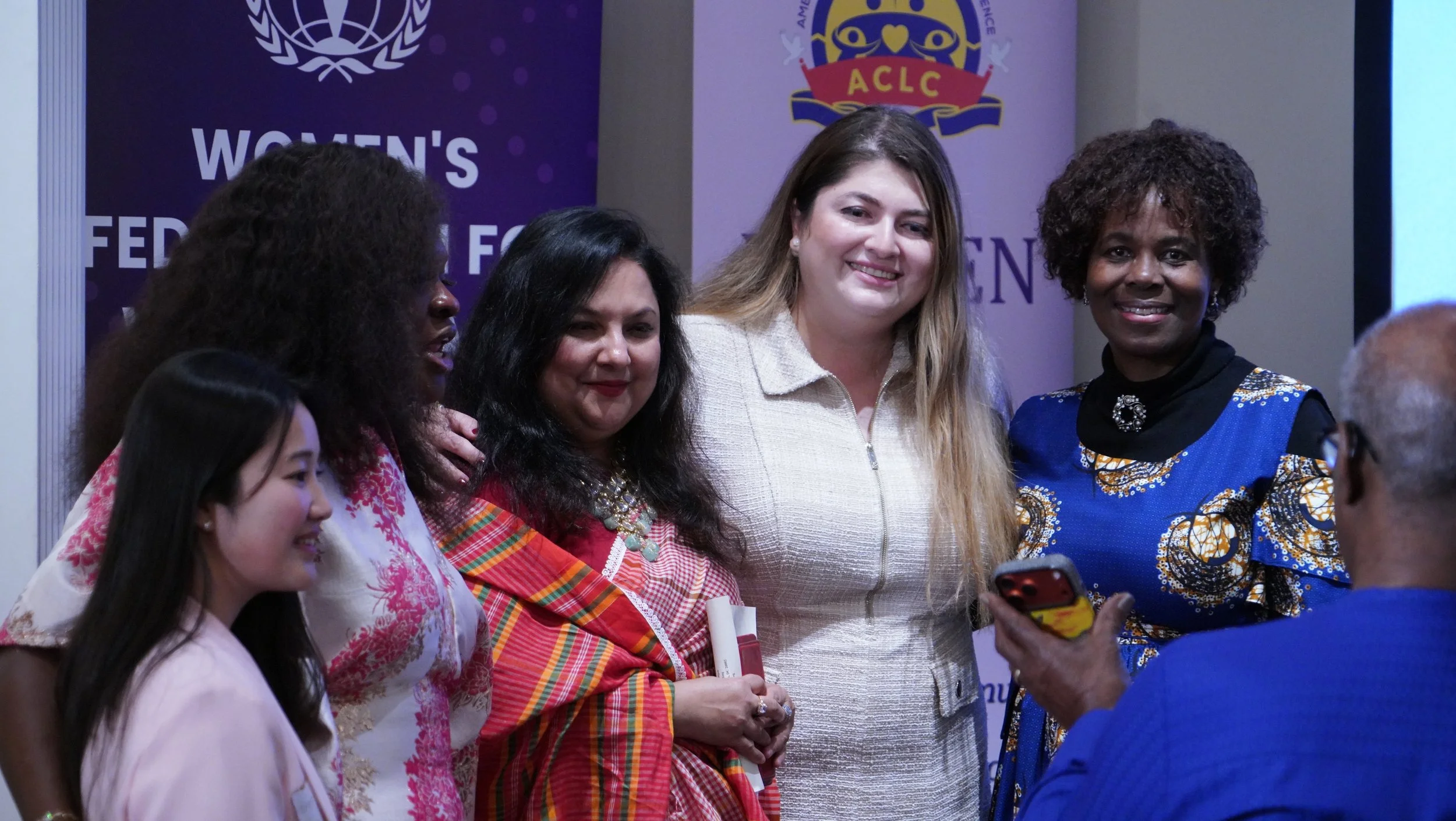
The gathering was hosted by the American Clergy Leadership Conference (ACLC) Women in Ministry, in collaboration with the Women's Federation for World Peace (WFWP), Universal Peace Federation (UPF), and Cultural Diplomacy and Development Foundation (CDDF). Over tea and refreshments, participants reconnected with old friends, formed new friendships, and celebrated their shared commitment to peace.
The program opened with a heartfelt prayer, encouraging participants to become instruments of peace in their communities. Representatives from the participating organizations also offered warm greetings, highlighting their shared commitment to fostering friendship, understanding, and cooperation across faiths and cultures.
Taking the First Step Toward Reconciliation
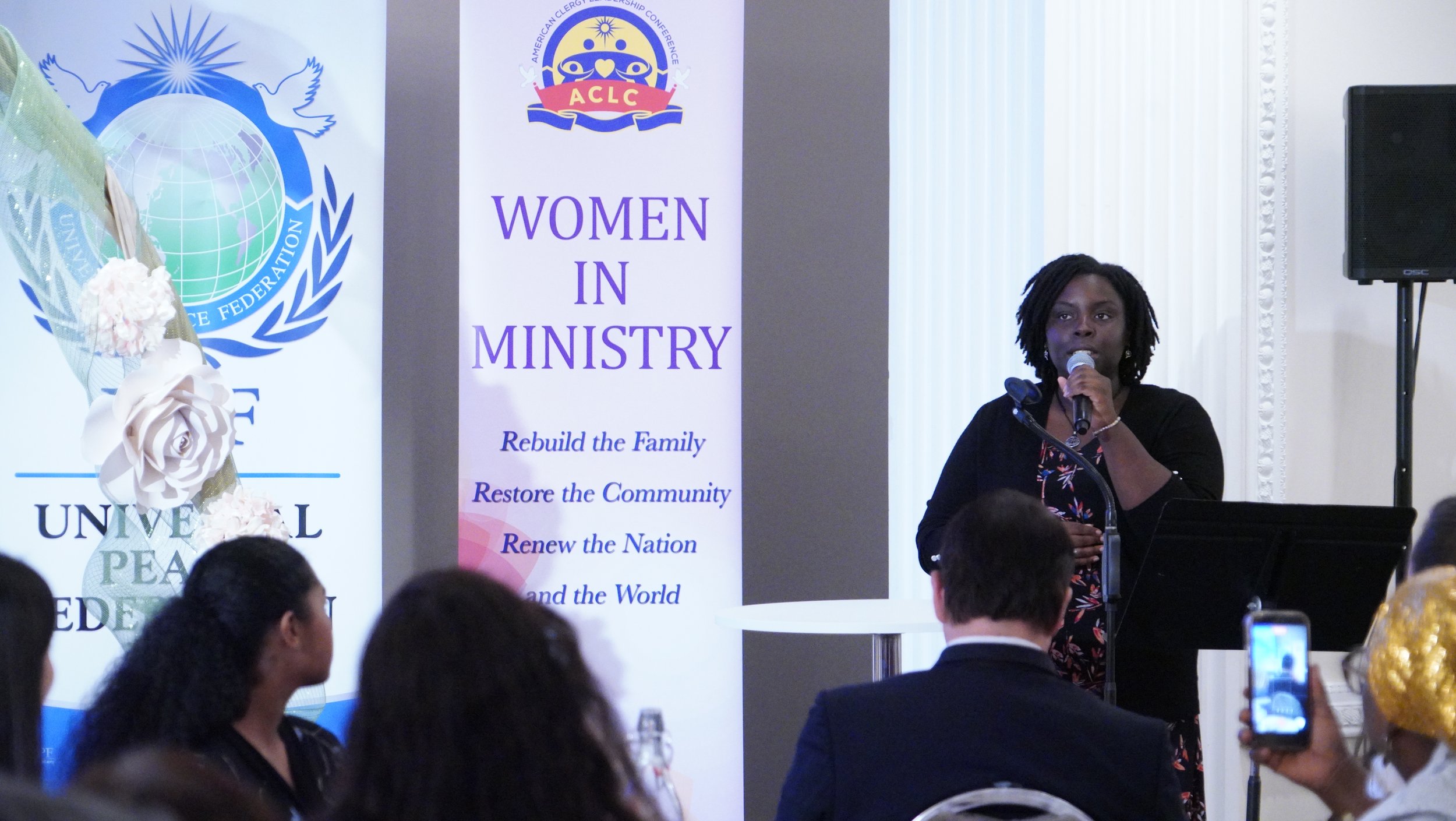
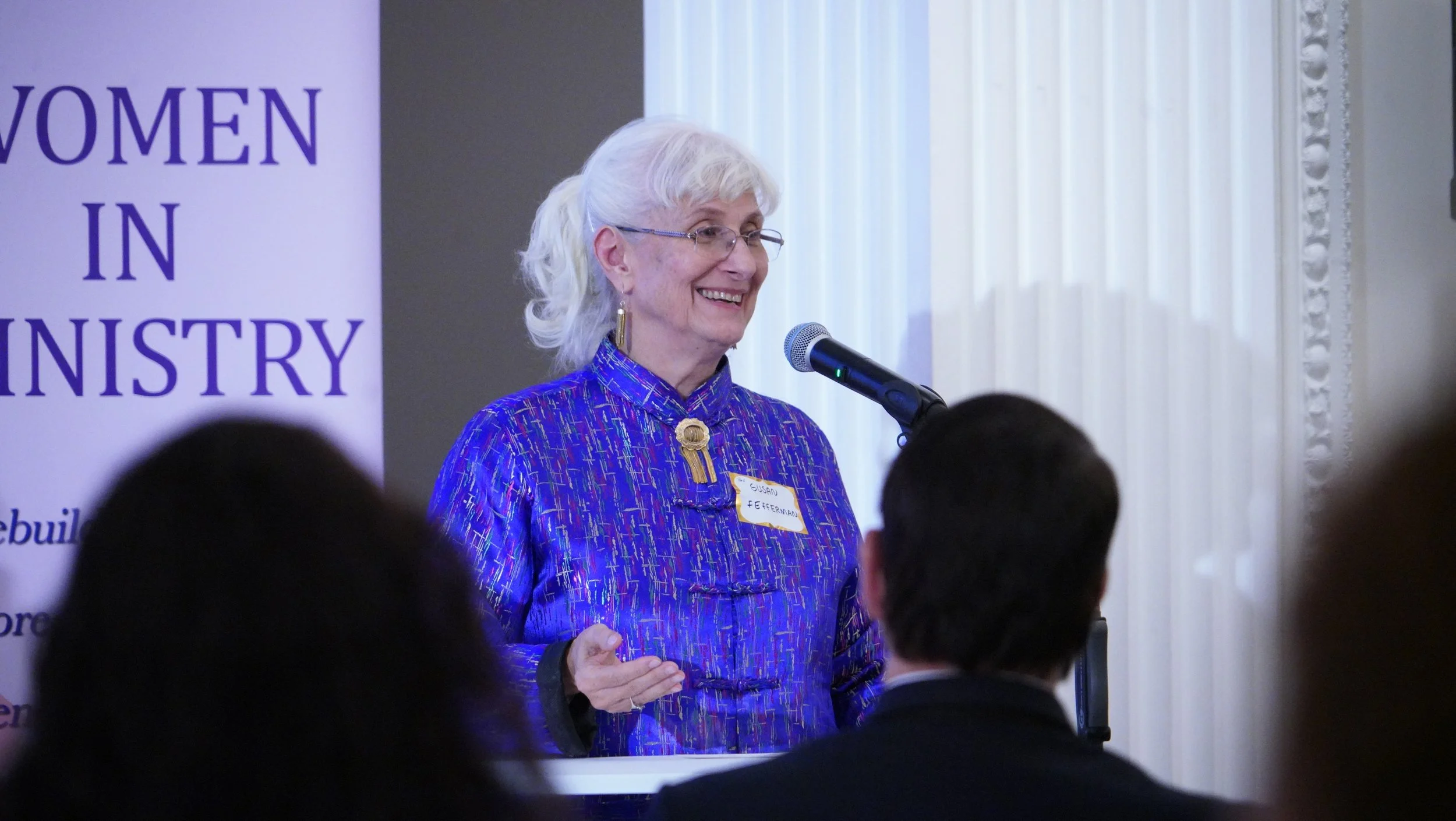
Rev. Susan Fefferman, ACLC coordinator for DC, Maryland, and Virginia, delivered a meaningful message about reconciliation, forgiveness, and healing. She reminded participants that building peace often requires courage, humility, and a willingness to move beyond personal fears and misunderstandings.
“I had to cross the street to meet my neighbor,” she shared, emphasizing that reconciliation often begins with a simple act of reaching out.
Drawing from the biblical story of Jacob and Esau, two brothers who overcame years of separation and resentment, Rev. Fefferman illustrated how taking the first step toward understanding can open the door to healing.
She also reflected on the historic 1991 meeting between ACLC co-founder Rev. Sun Myung Moon and North Korean leader Kim Il Sung. Their meeting was presented as an example of the courage it takes to move beyond painful histories and pursue dialogue, understanding, and reconciliation.
A musical performance of John Lennon's Imagine added to the afternoon's atmosphere of hope and unity.
Crossing the Bridge of Peace
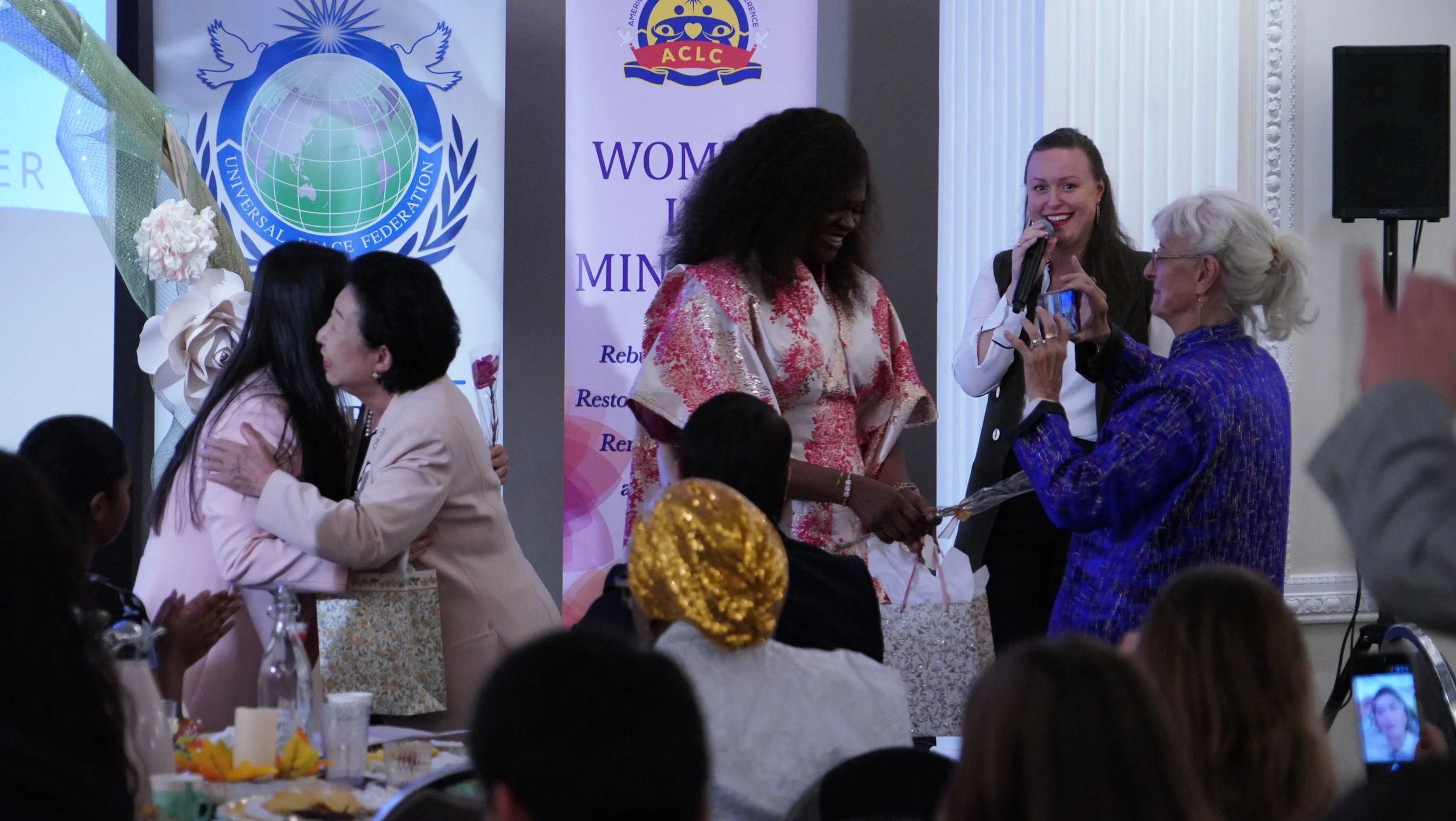
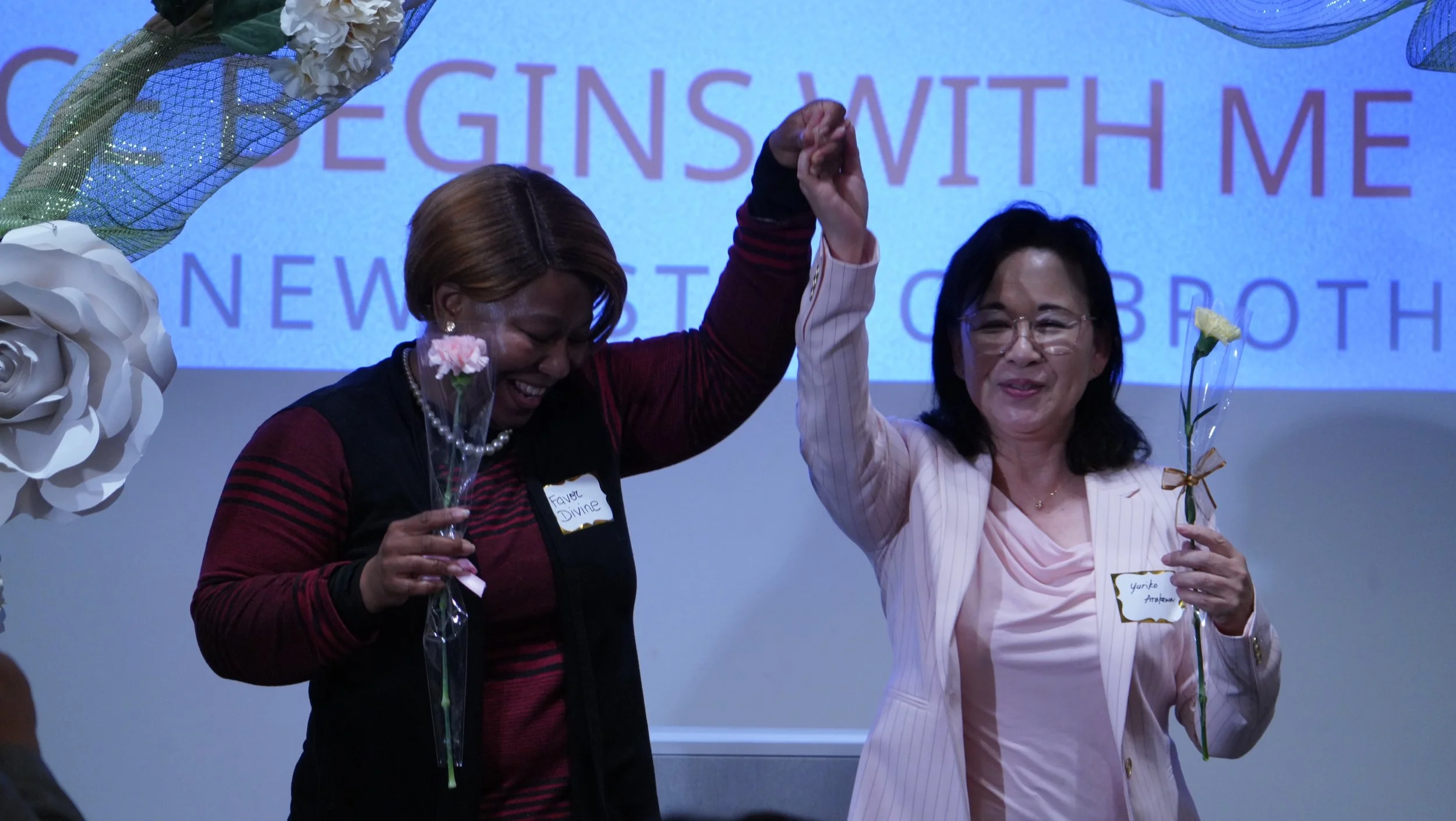
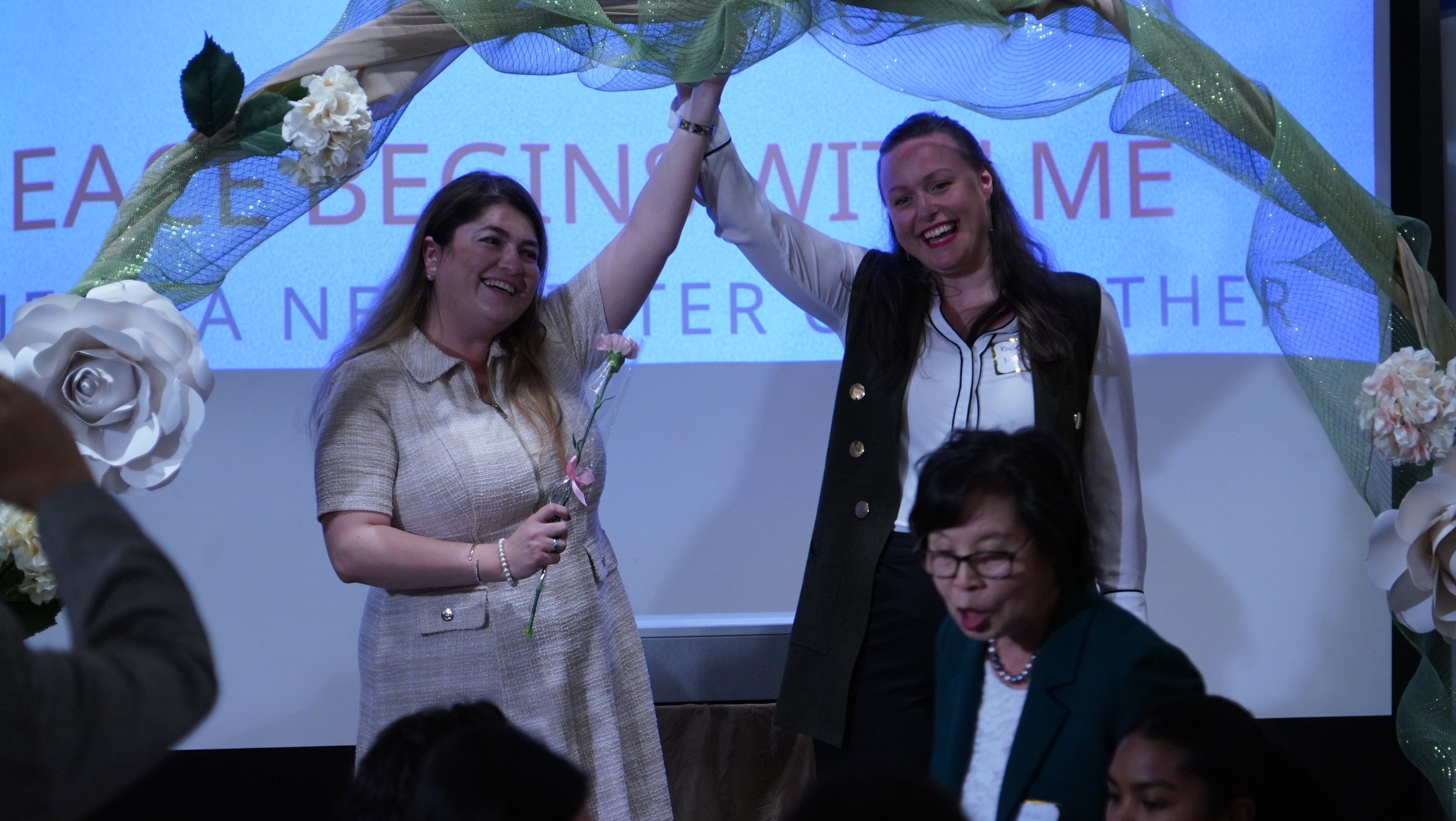
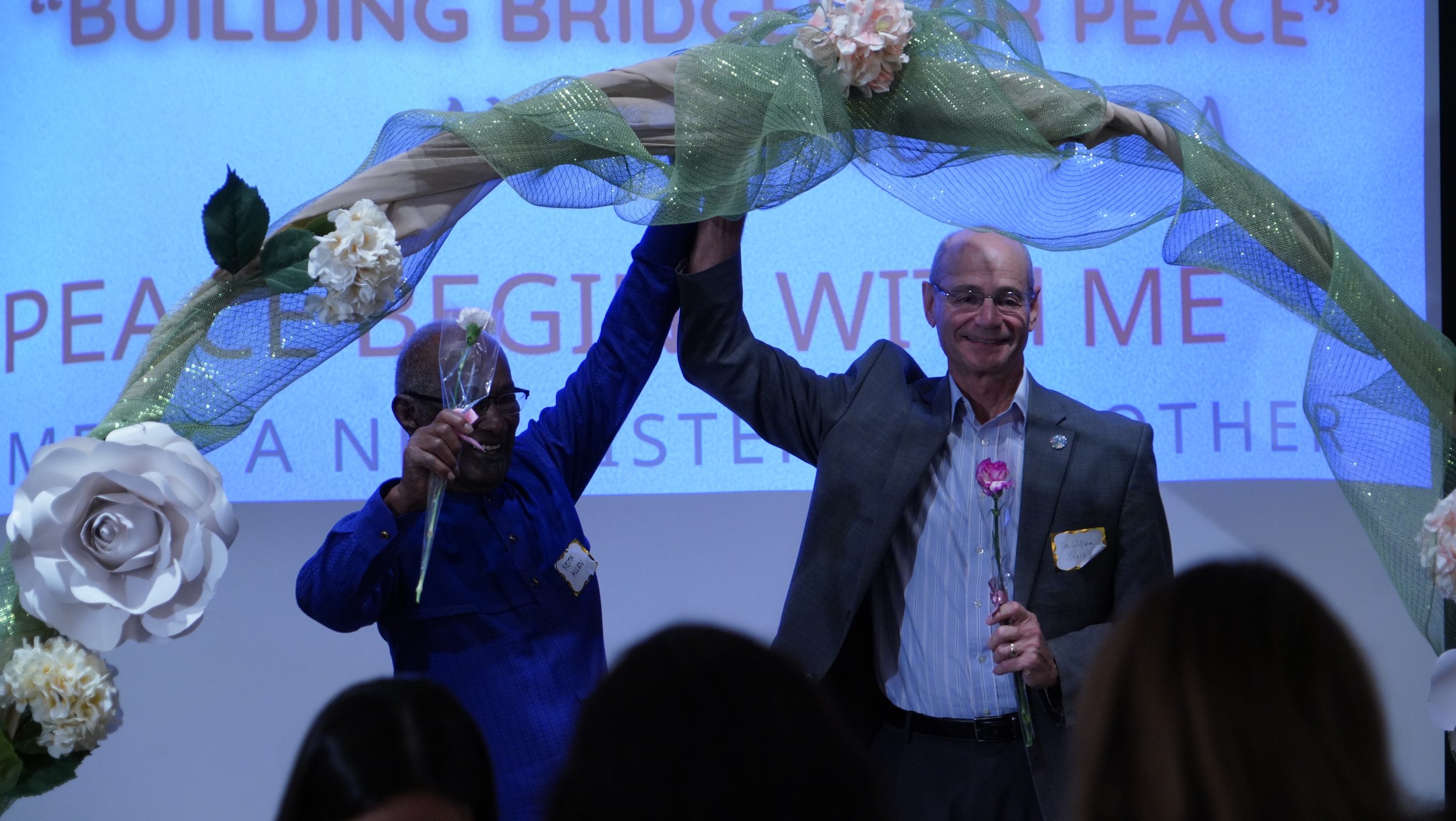
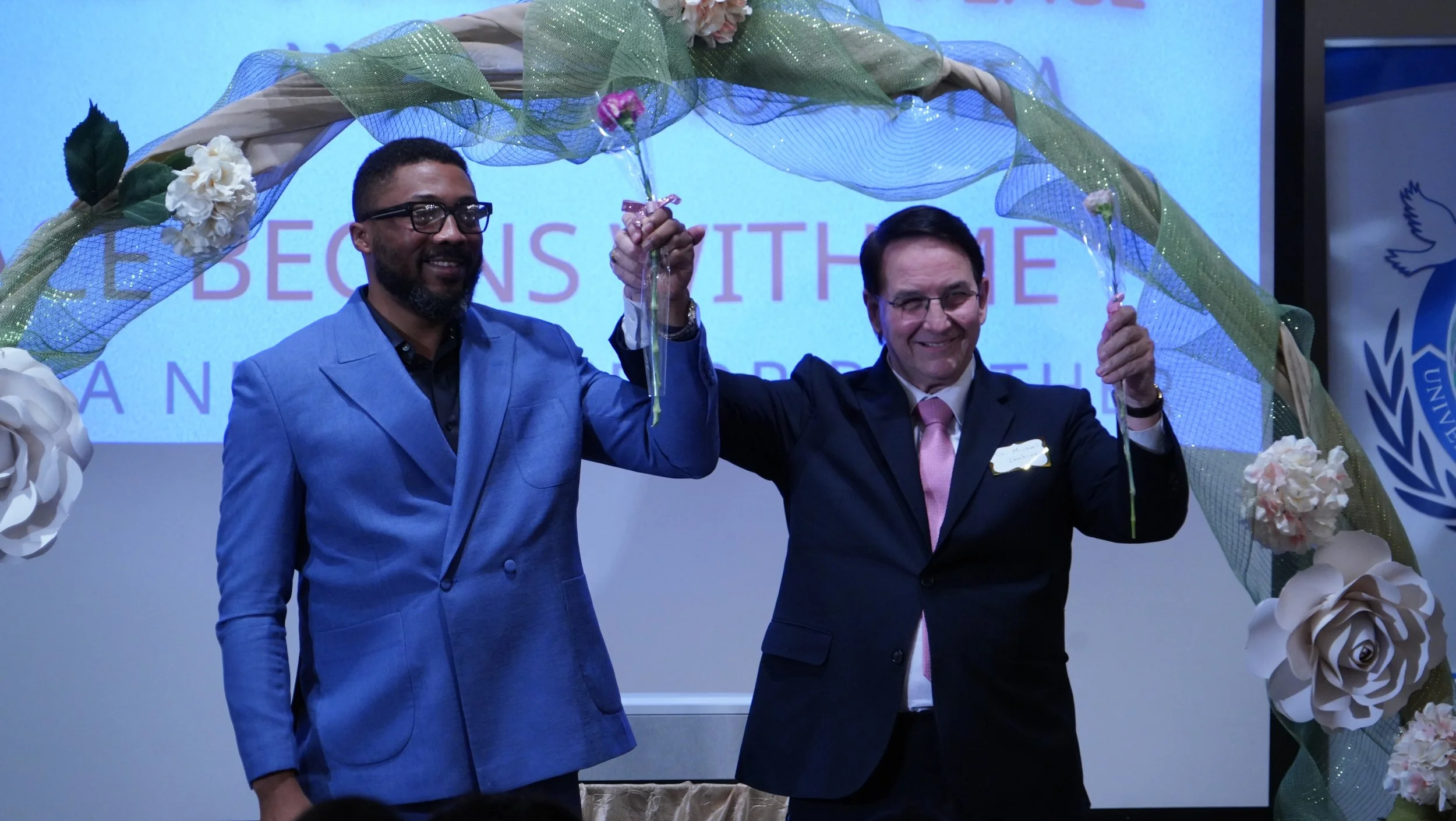
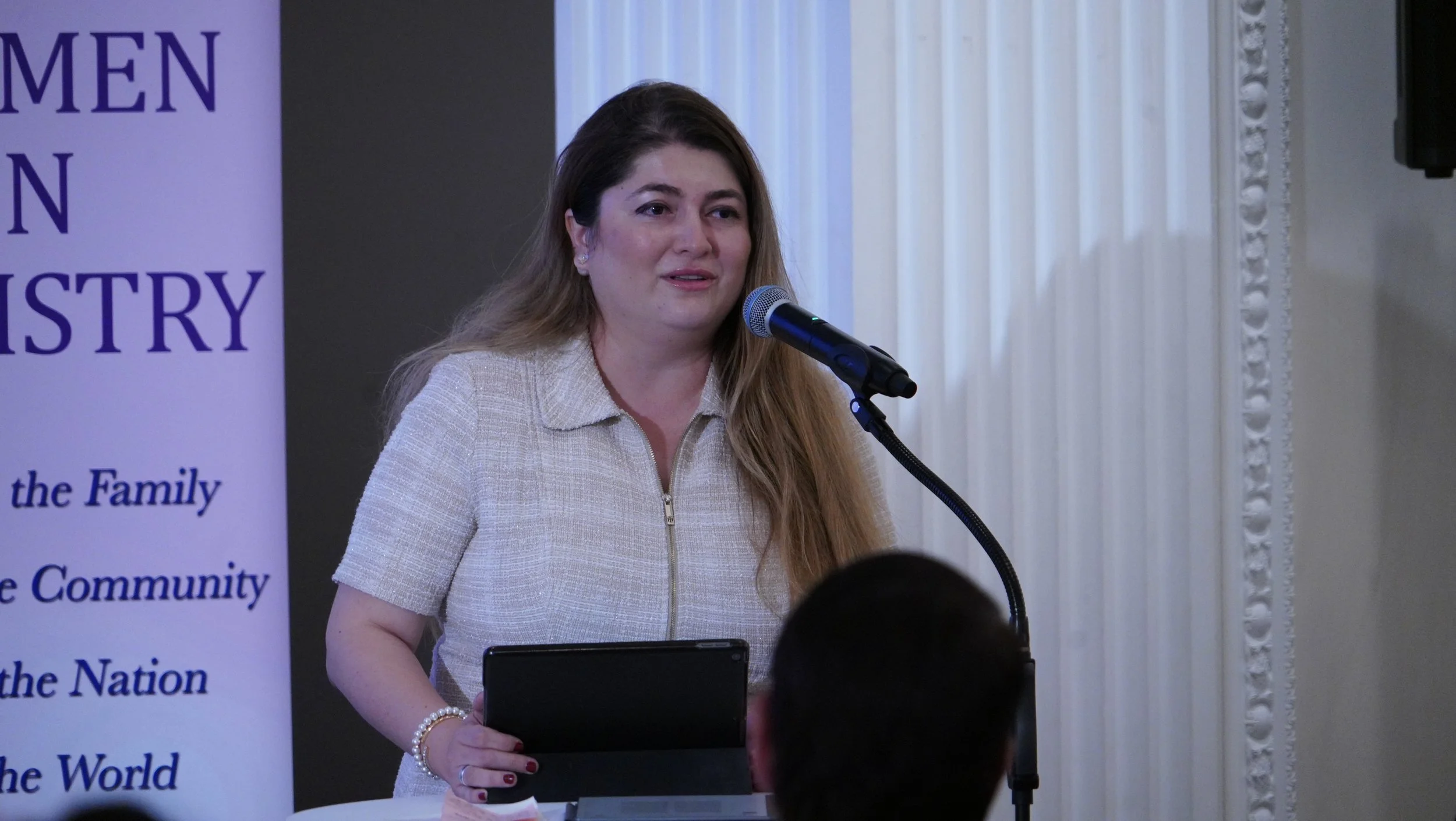
The highlight of the afternoon was the Bridge of Peace Ceremony, led by Kaeleigh Moffitt, president of UPF USA and former president of WFWP USA.
Mrs. Moffitt shared the history of the Bridge of Peace initiative, which began in the early 1990s as a way to foster reconciliation and understanding across historical and cultural divides. Early ceremonies brought together more than 150,000 Japanese and Korean women, followed by a gathering of approximately 20,000 American and Japanese women commemorating the 50th anniversary of the end of World War II.
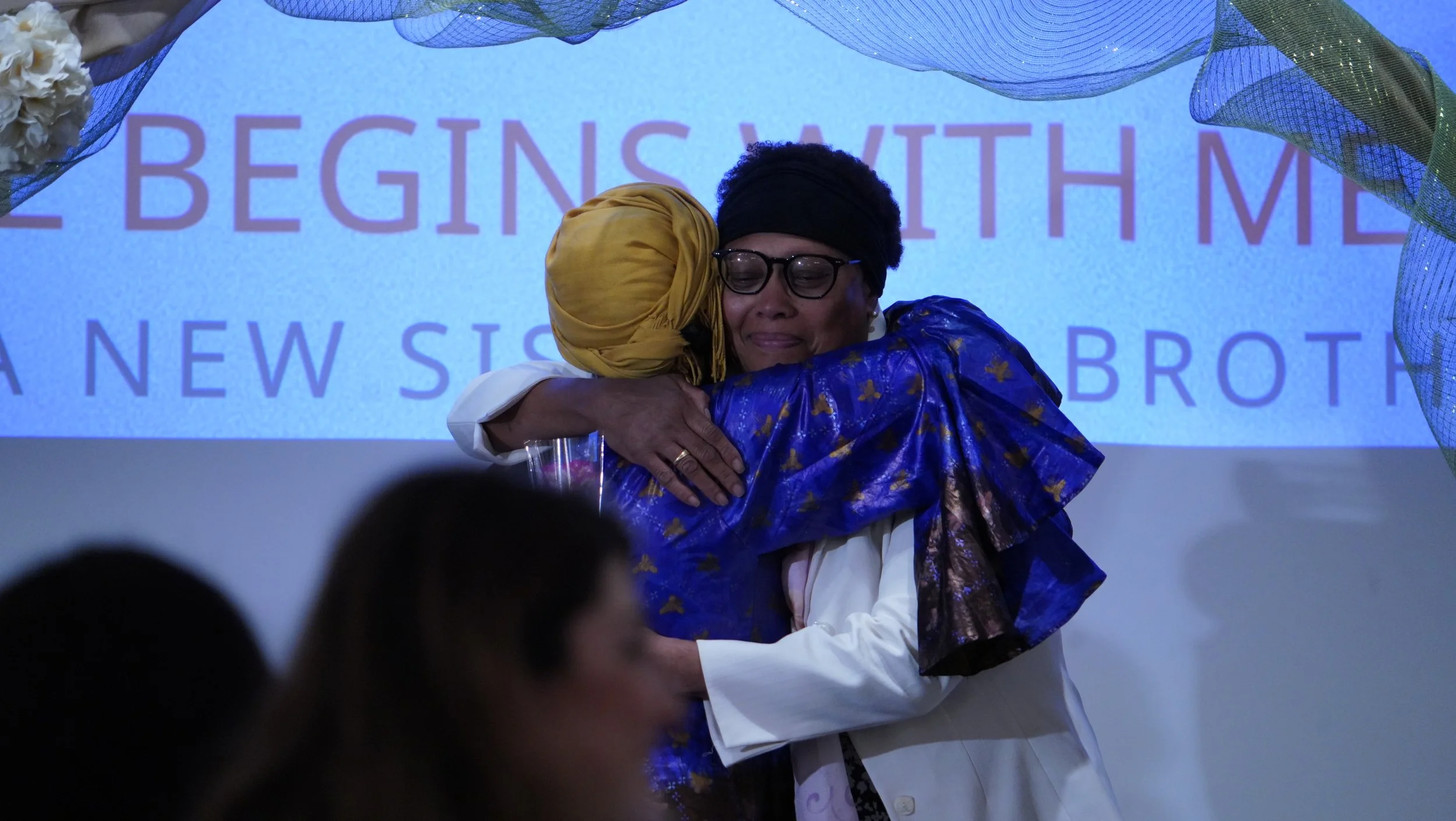
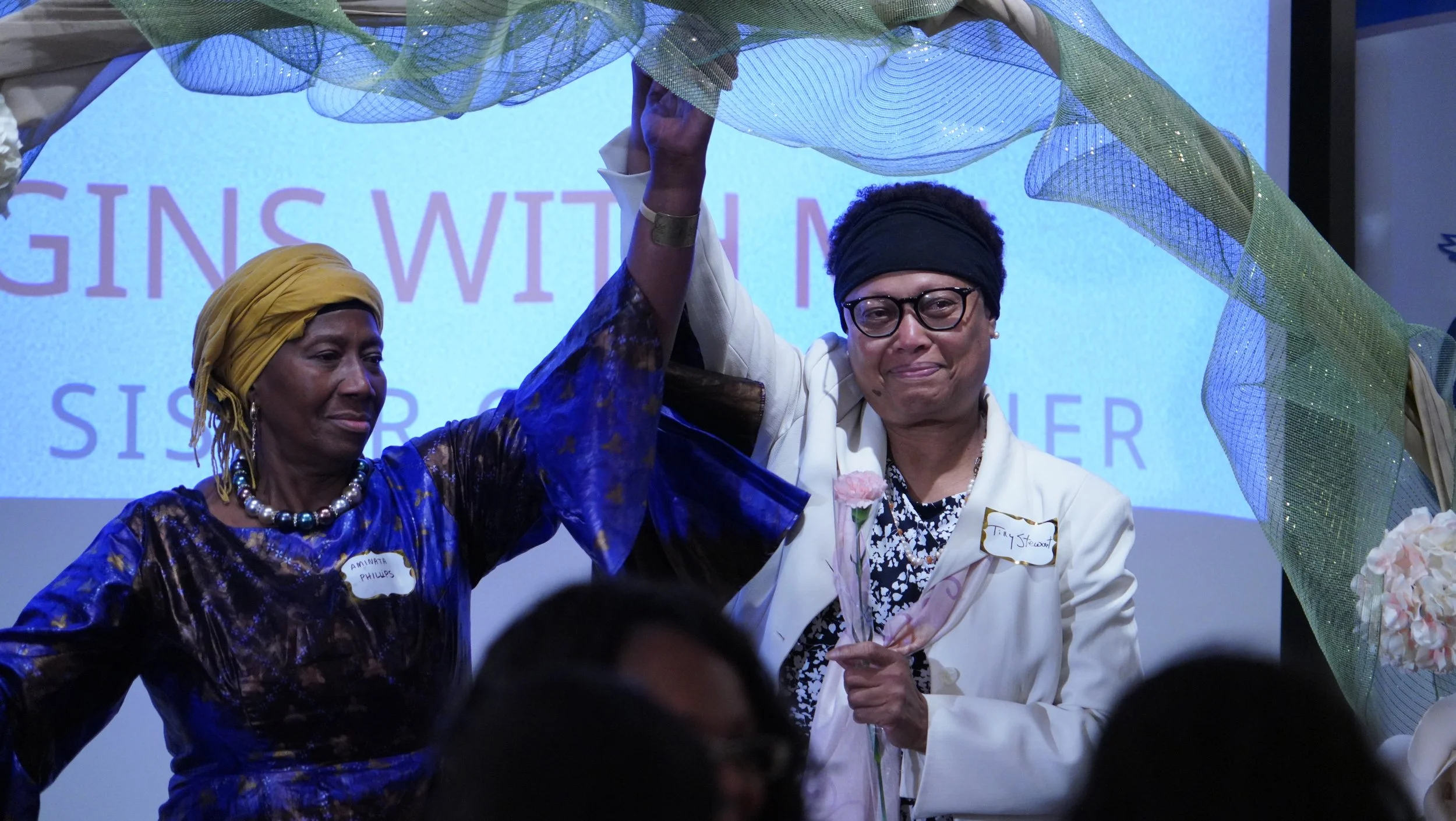
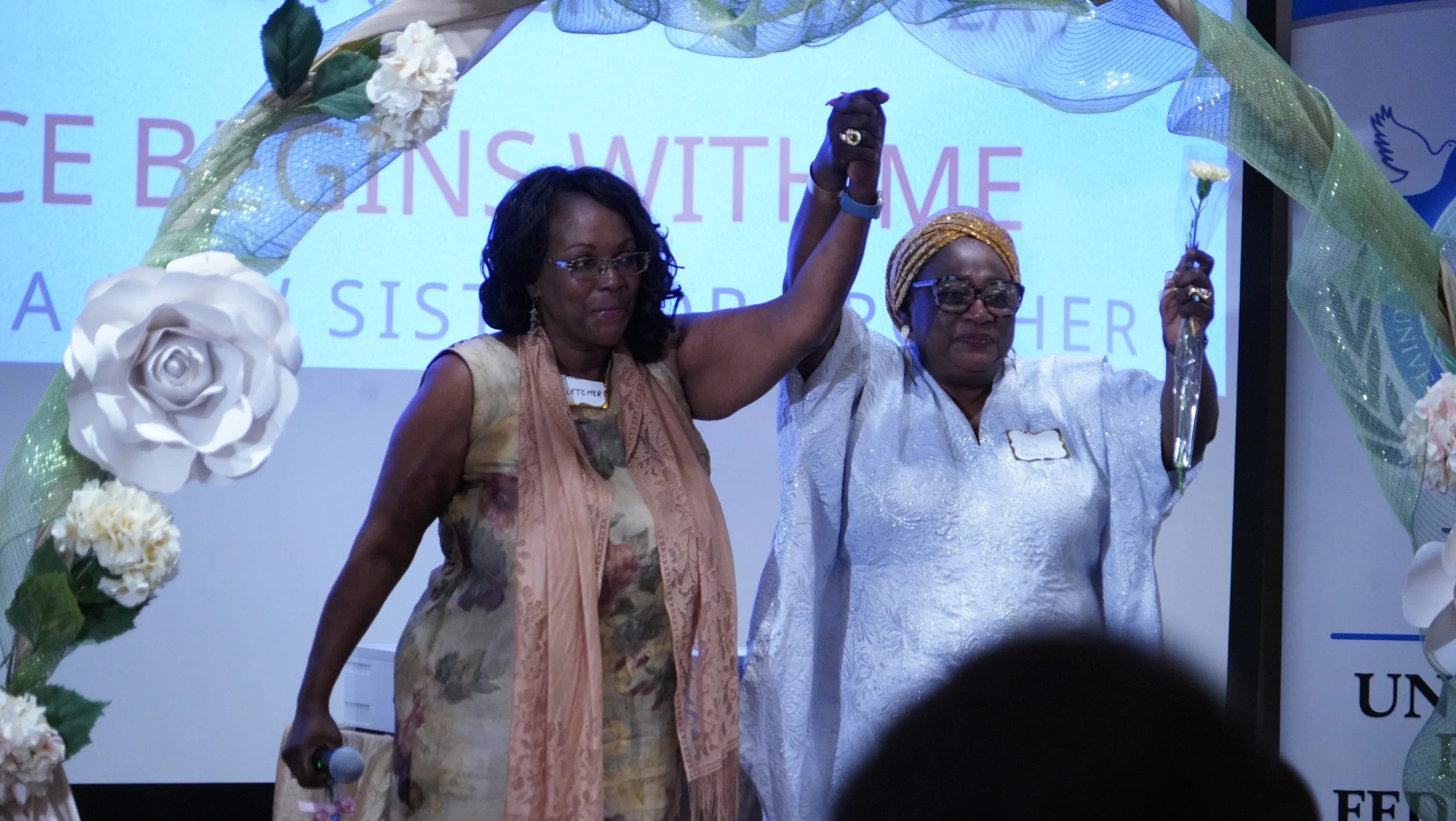
She emphasized that crossing the bridge represents more than a symbolic gesture. It is an opportunity to release resentment, overcome misunderstandings, and open one's heart to meaningful relationships.
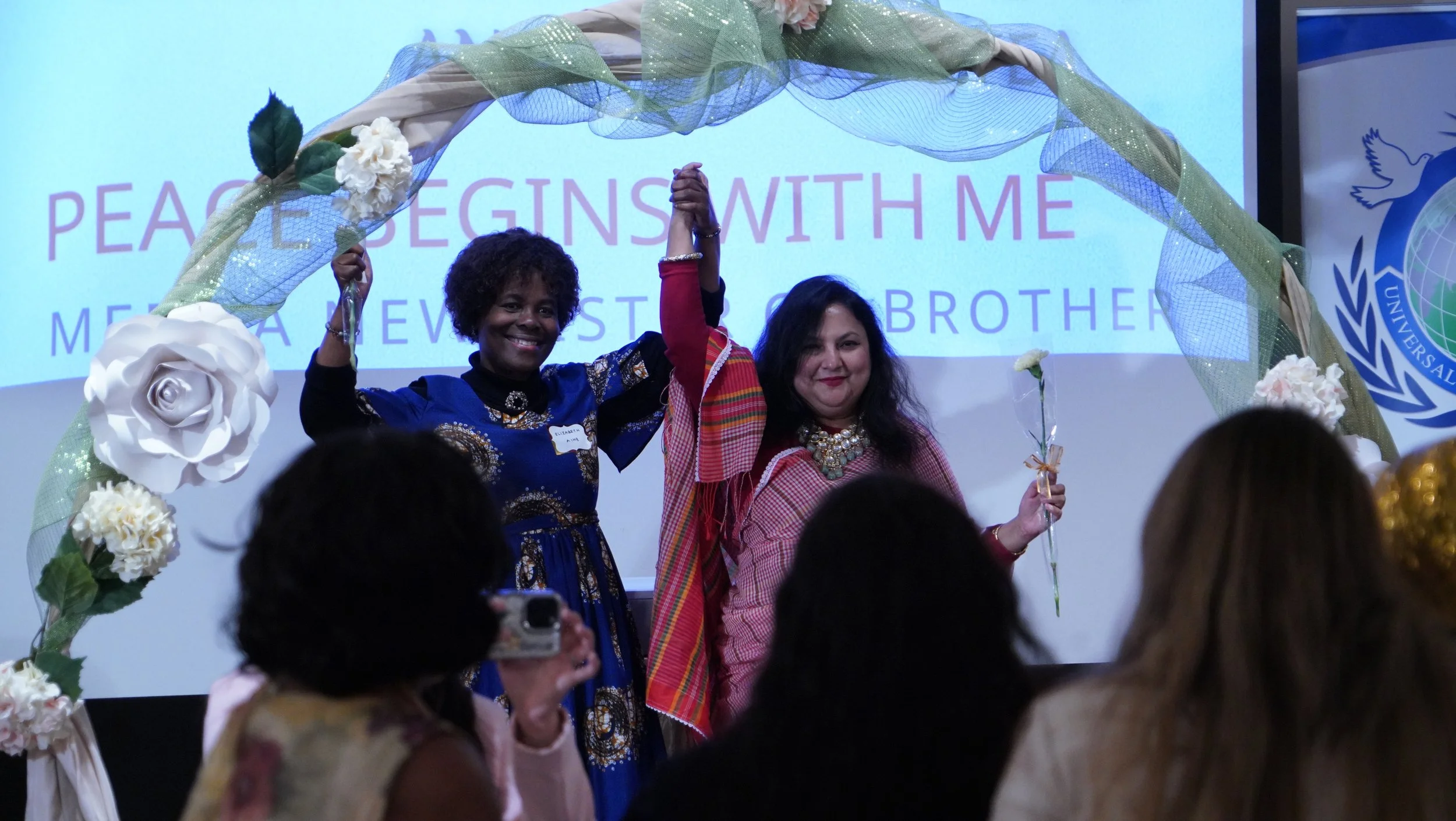
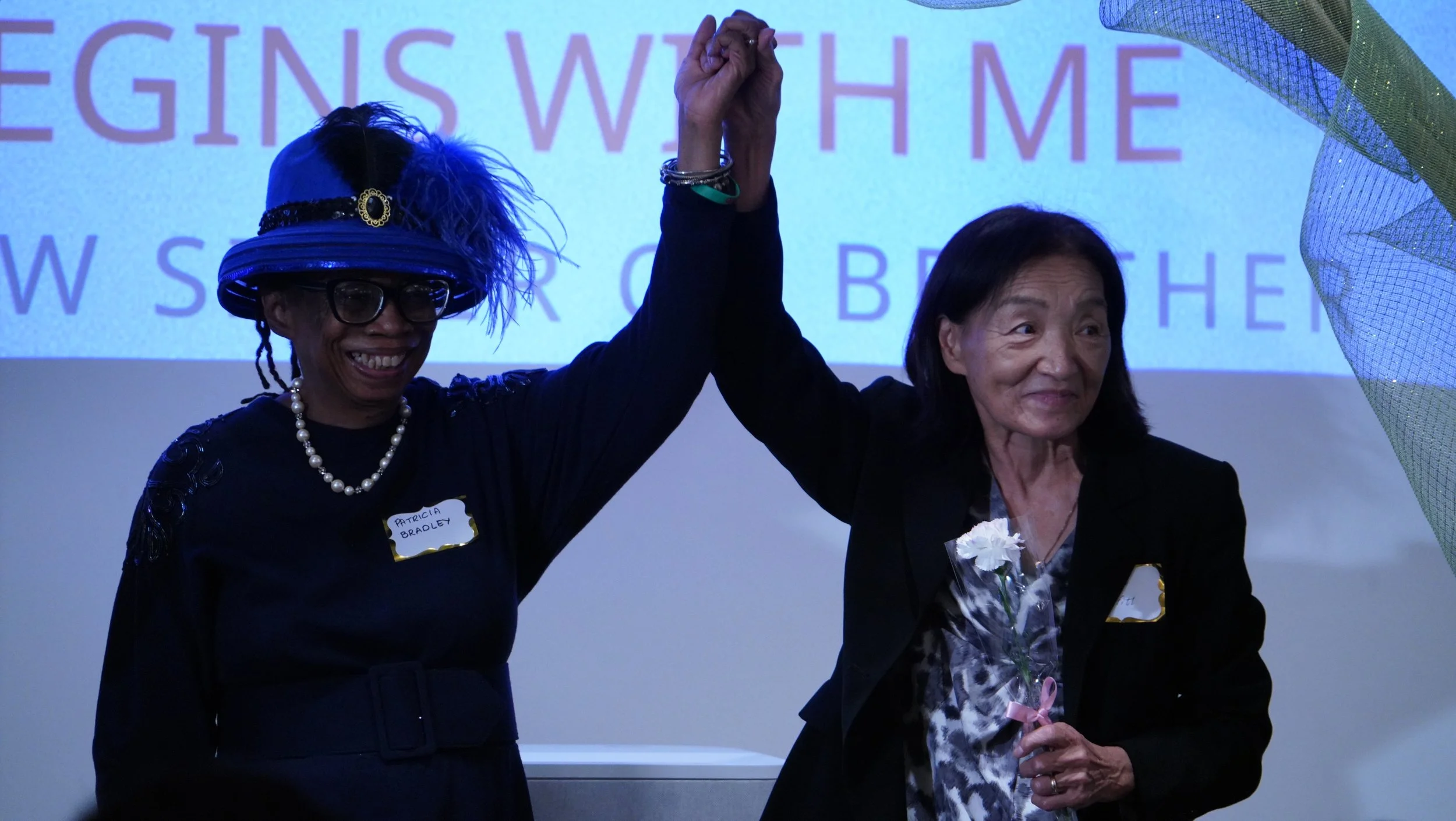
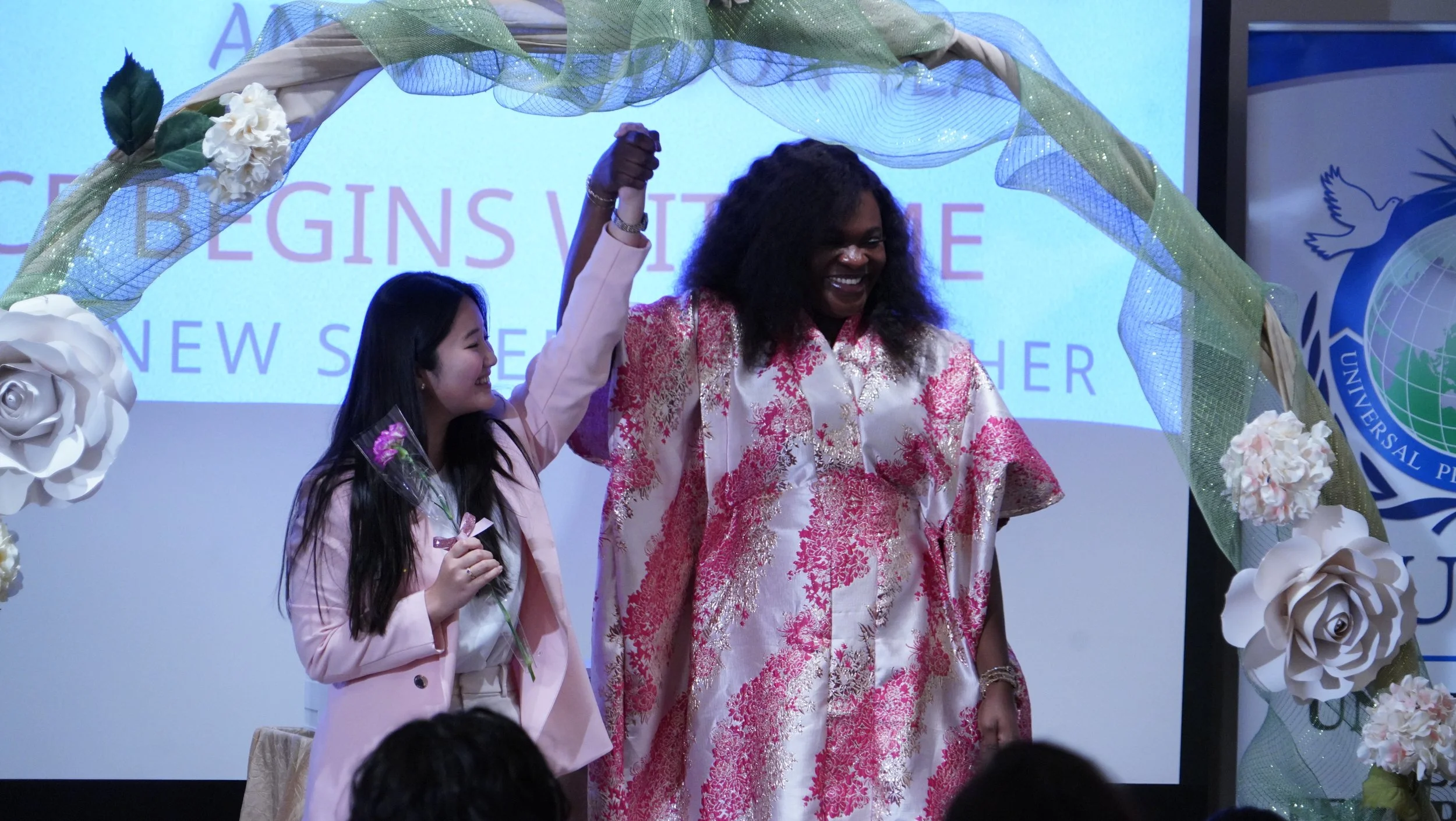
Three pairs of women participated in the ceremony, each representing a different dimension of reconciliation.
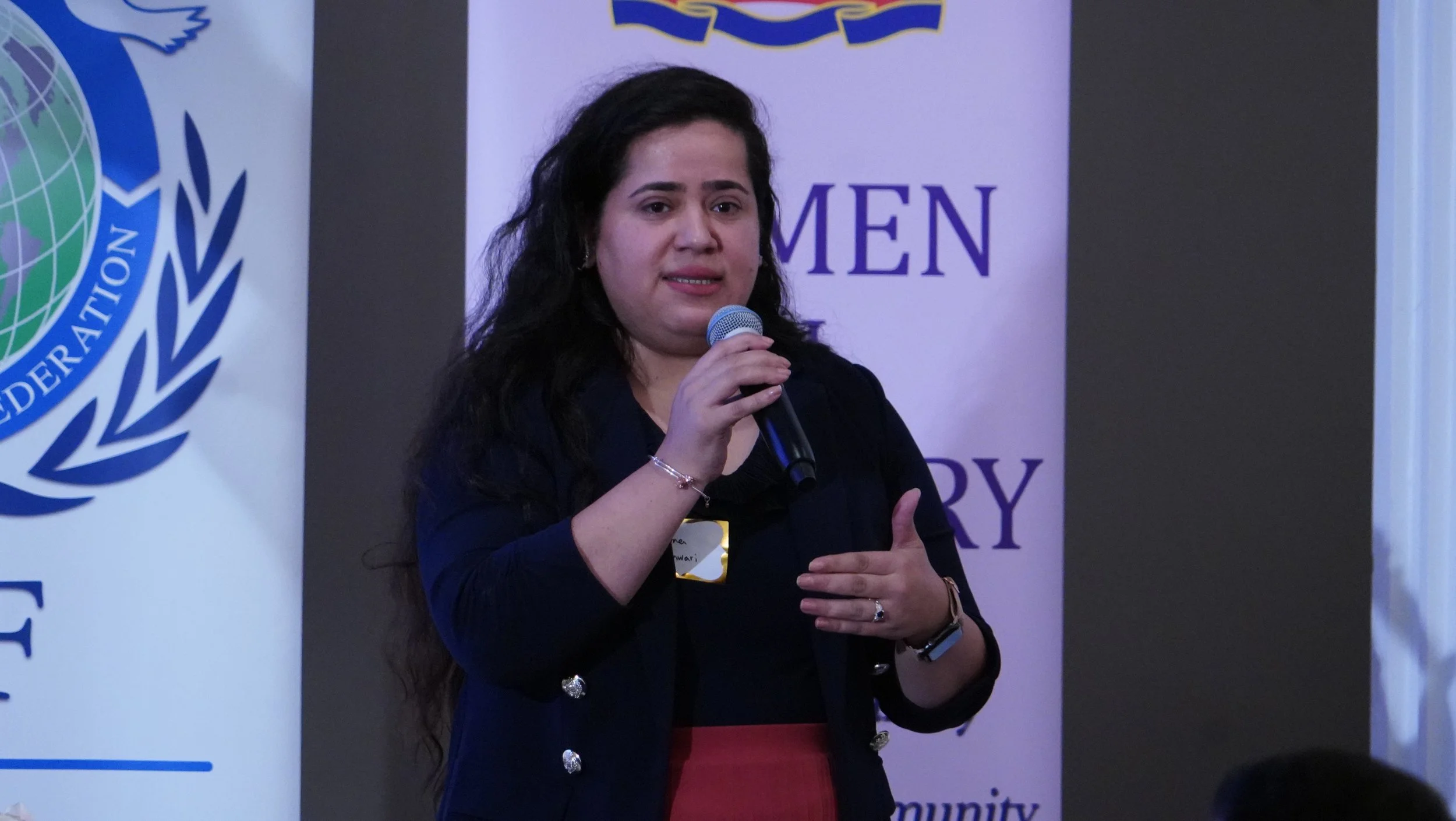
The first pair, Lima Anwari, a Muslim, and Admira Rebecca Holland, a member of The Church of Jesus Christ of Latter-day Saints, represented interfaith friendship. Their crossing and embrace demonstrated how individuals of different religious traditions can build relationships rooted in mutual respect and understanding.
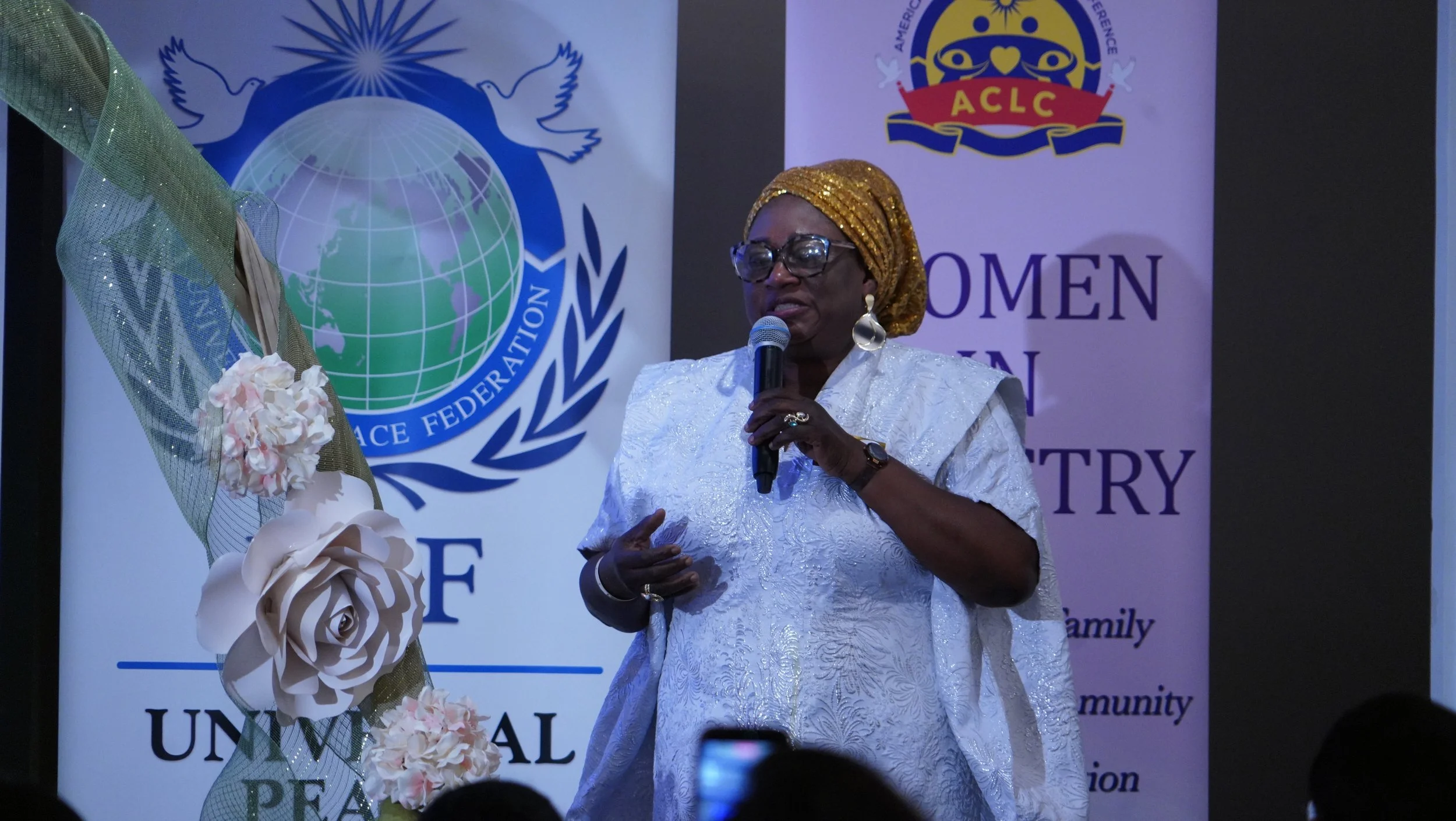
The second pair brought together Pastor Shade Fashola, representing Africa, and Minister Karen Fletcher, representing America. Pastor Fashola introduced the word Alafia, a West African expression meaning peace and well-being. She spoke about the painful history of enslavement and her decision to let go of the resentment associated with that history. On behalf of Africa, she said she chose to let go of historical resentments and embrace reconciliation. Minister Fletcher responded with gratitude, thanking God for being “released from division and separation.”
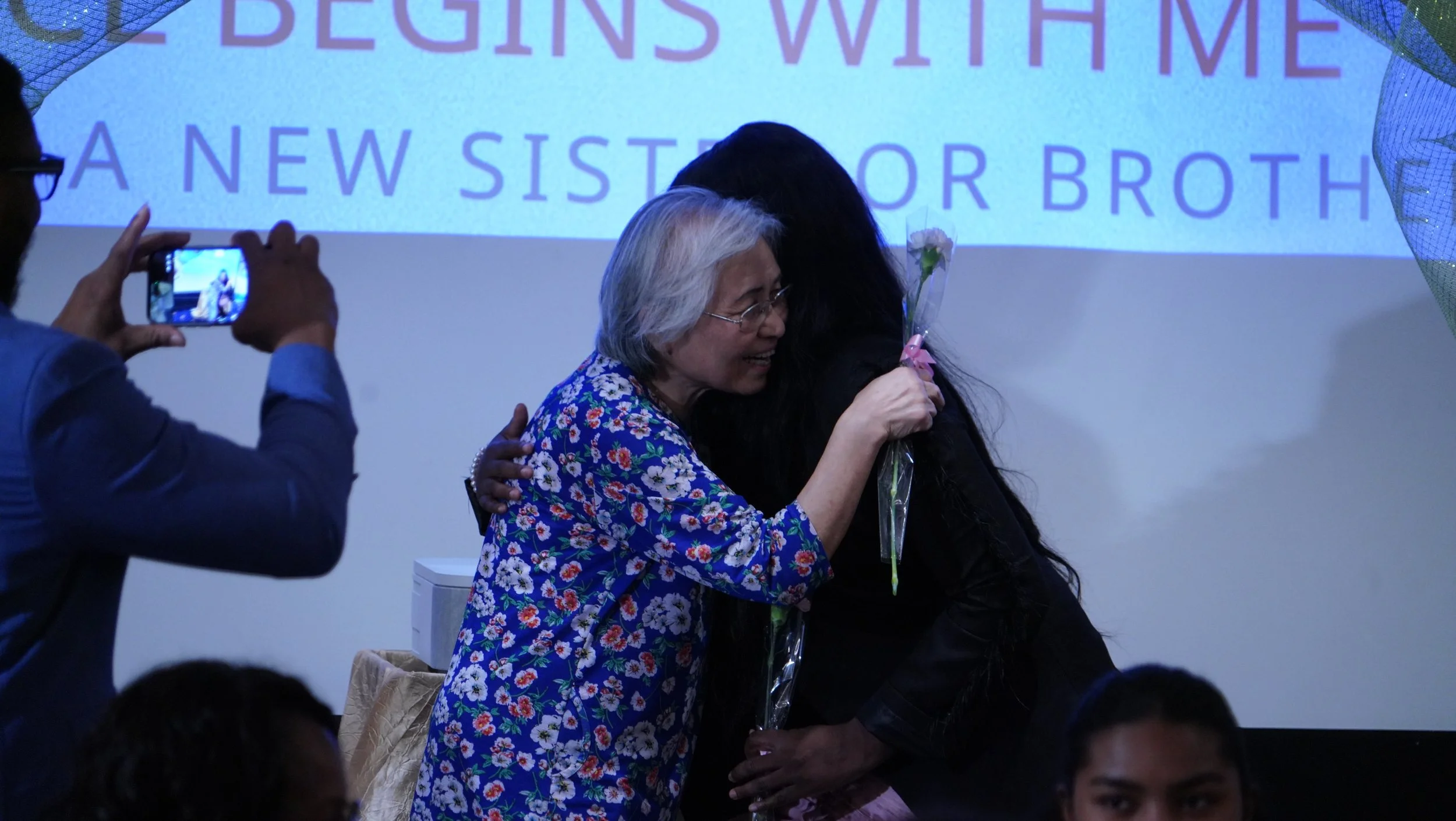
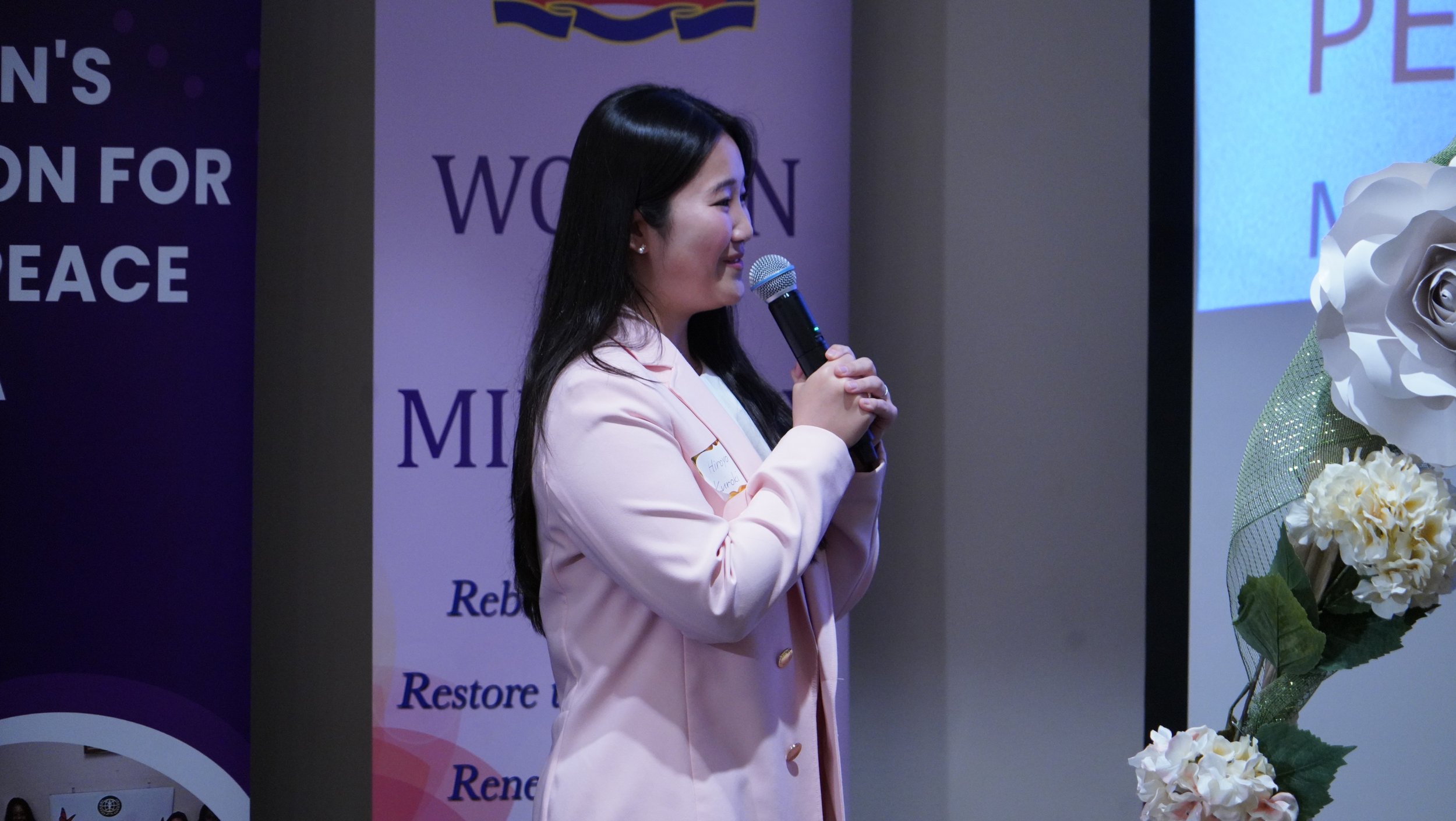
The third pair, Prophetess Juliana Talabi and Hiroyo Kuroki, represented interracial friendship and the hope of future generations. Their joyful embrace symbolized the possibility of moving beyond racial and cultural differences to recognize the shared humanity that connects us all.
Following the three formal crossings, Mrs. Moffitt invited everyone in attendance to find a partner and participate in the Bridge of Peace experience.
The heartfelt exchanges created a beautiful atmosphere of friendship and connection. One participant reflected:
“I came here not knowing anyone, and now I feel like I've made a new sister. That's what peace is all about.”
Building Peace Through Everyday Connections
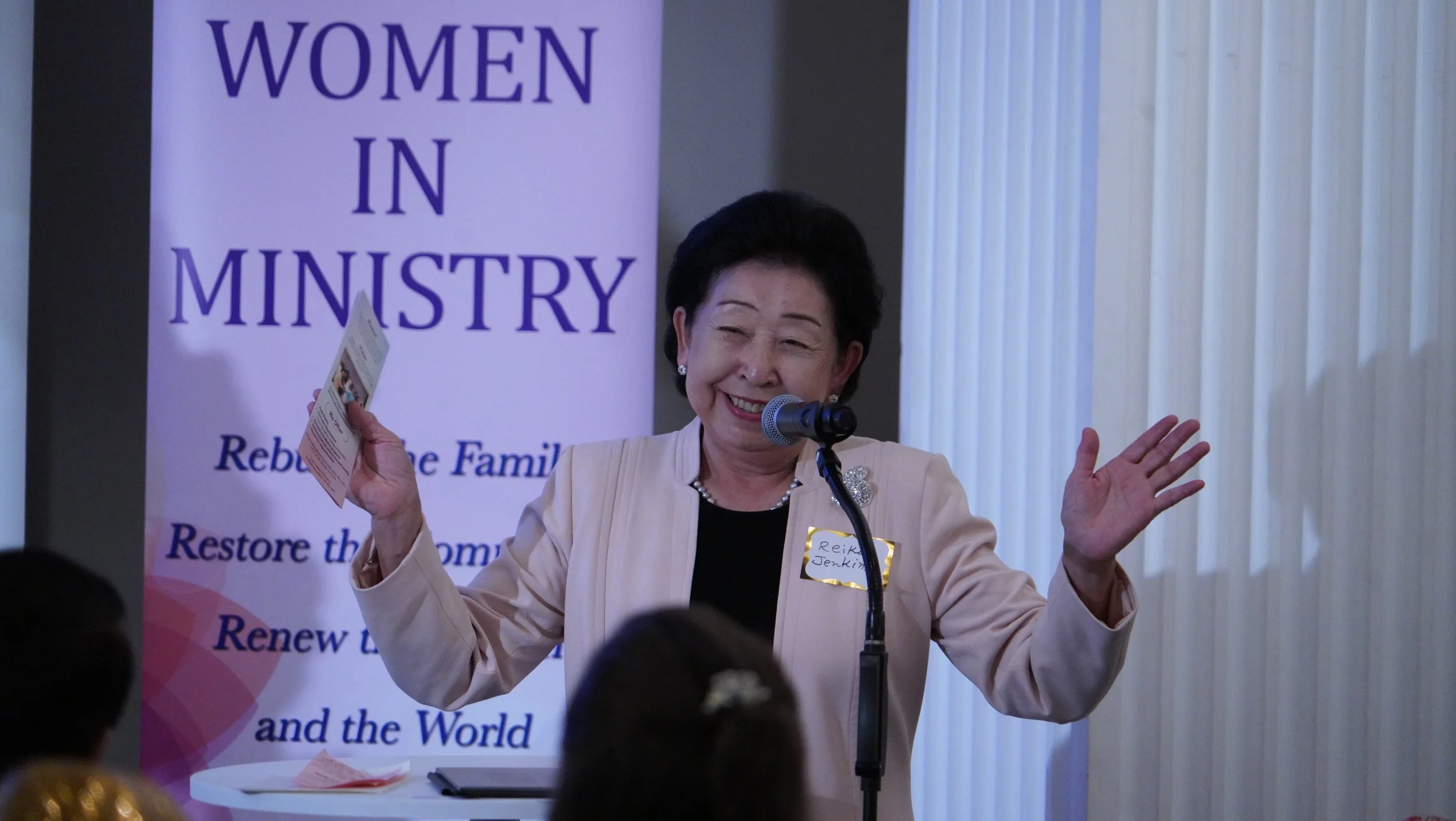
Dr. Michael Jenkins, president of UPF North America and senior advisor to ACLC, offered closing remarks, sharing an update on the health and continued imprisonment of Dr. Hak Ja Han, the Mother of Peace, in South Korea. He shared that despite her difficult circumstances, she has encouraged members to remain focused on their mission and continue serving their communities rather than directing their prayers toward her.
The gathering concluded with a prayer and a heartfelt reminder that building bridges for peace requires a willingness to take the first step toward one another.
The afternoon demonstrated that peace is built not only through grand gestures but also through everyday acts of kindness, understanding, and courage. By bringing together women of different faiths, cultures, and generations, the event highlighted how meaningful relationships can help overcome divisions and inspire lasting change.
As participants departed, they carried with them a simple yet powerful message: Building bridges for peace begins when we are willing to take the first step toward one another.
Article contributed by Dr. William Selig, UPF Virginia.