
When She Rises, Hope Rises: Feminine Leadership for a World Beyond Division
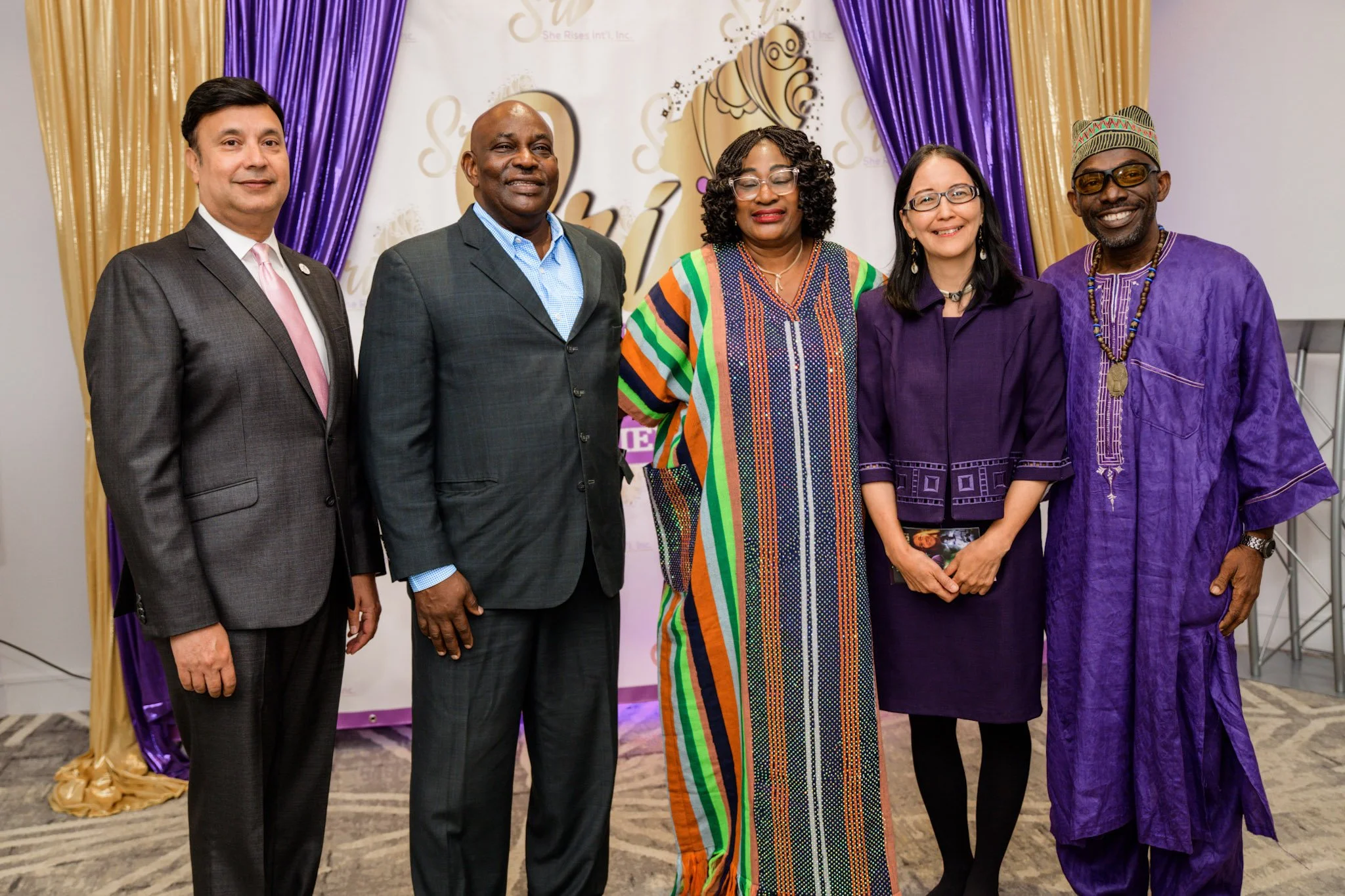
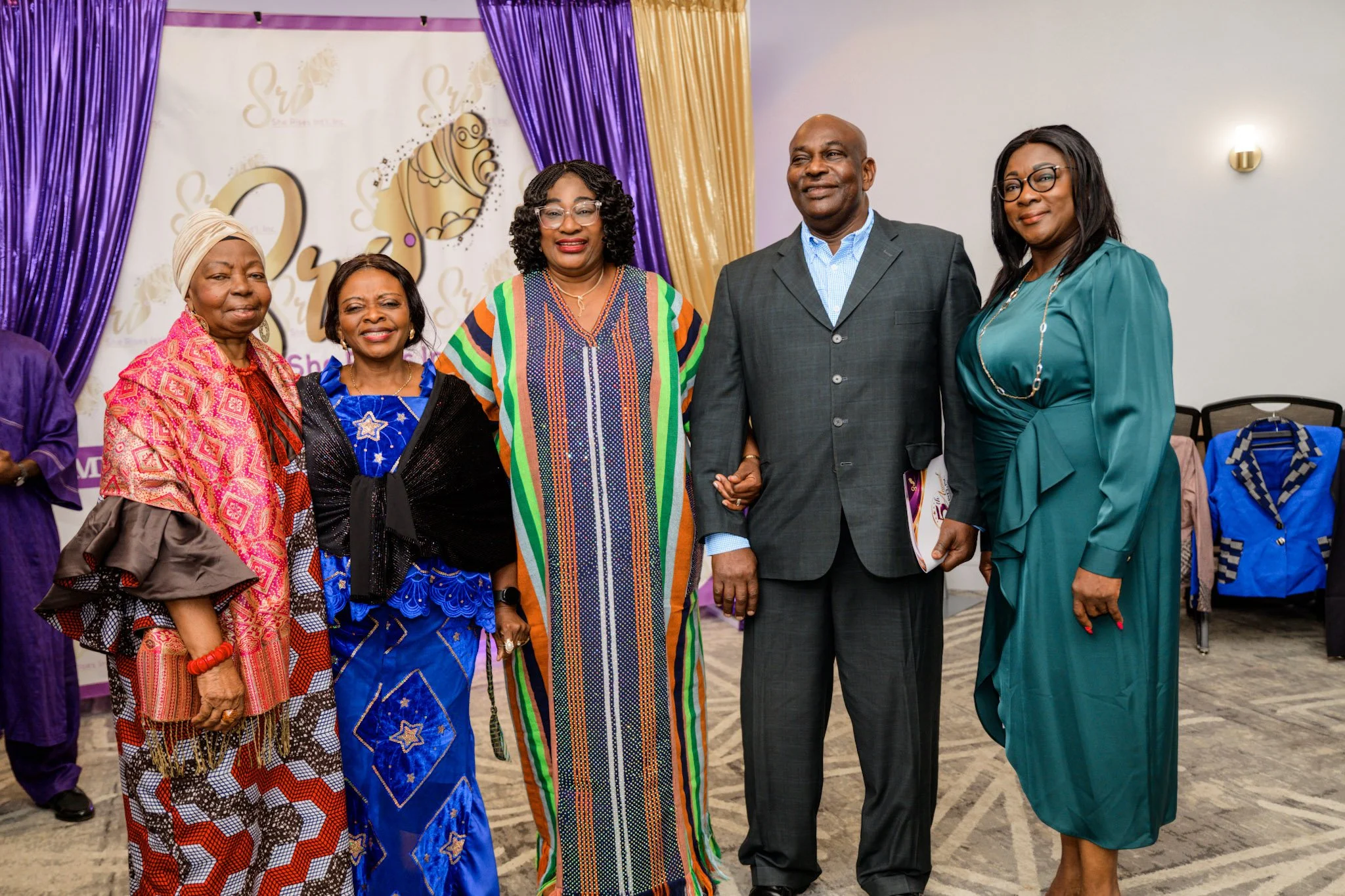
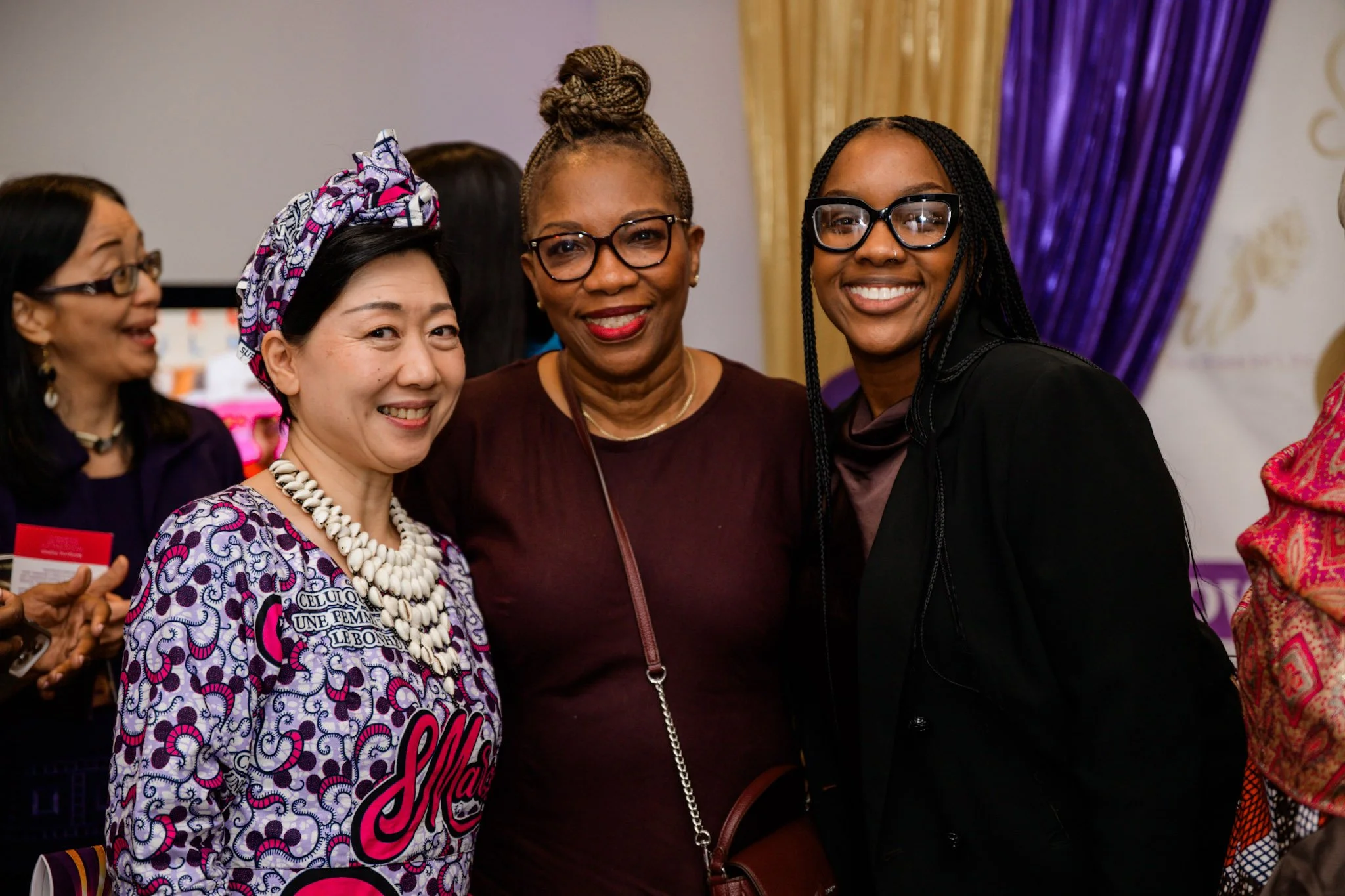
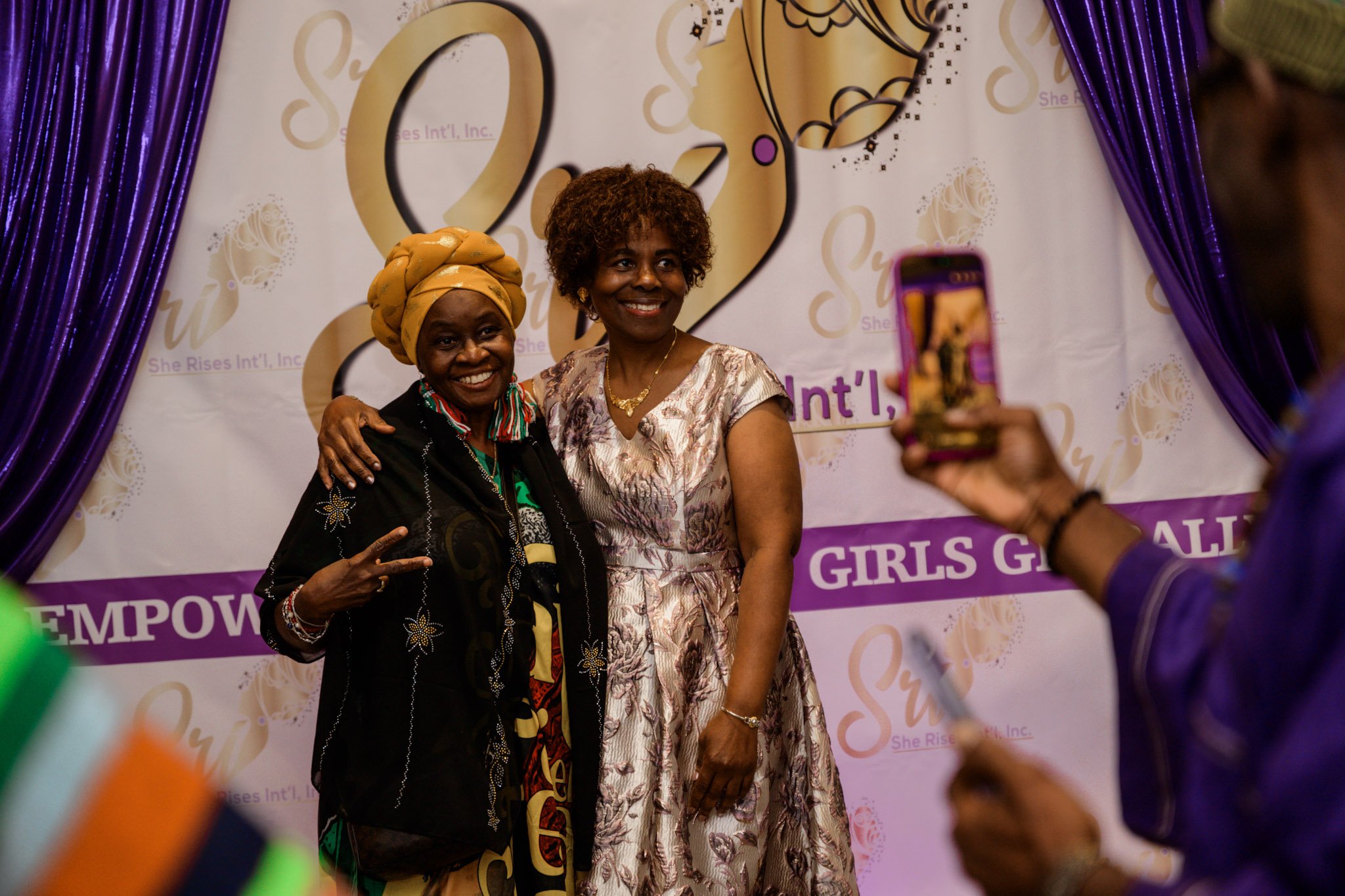
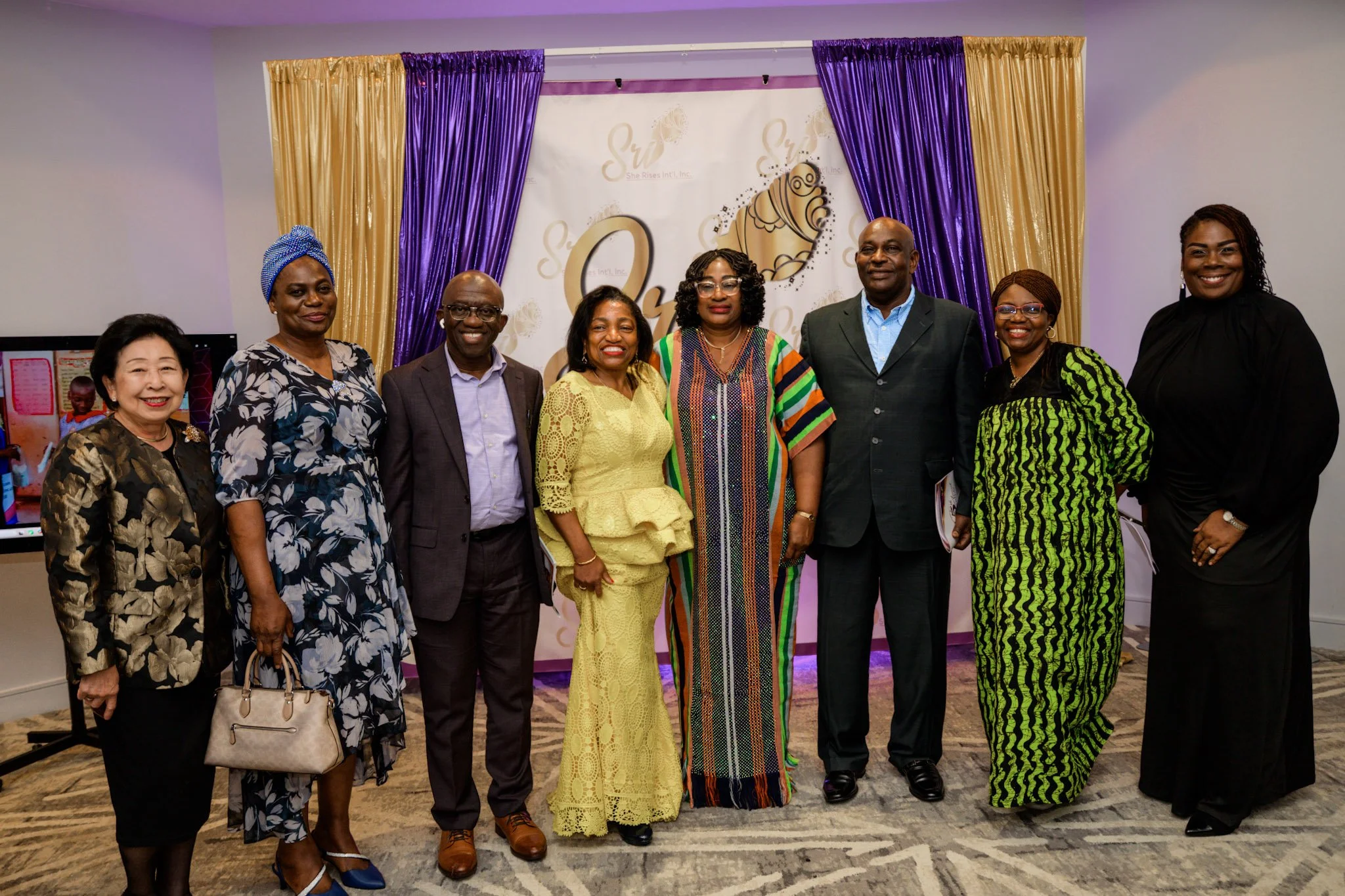
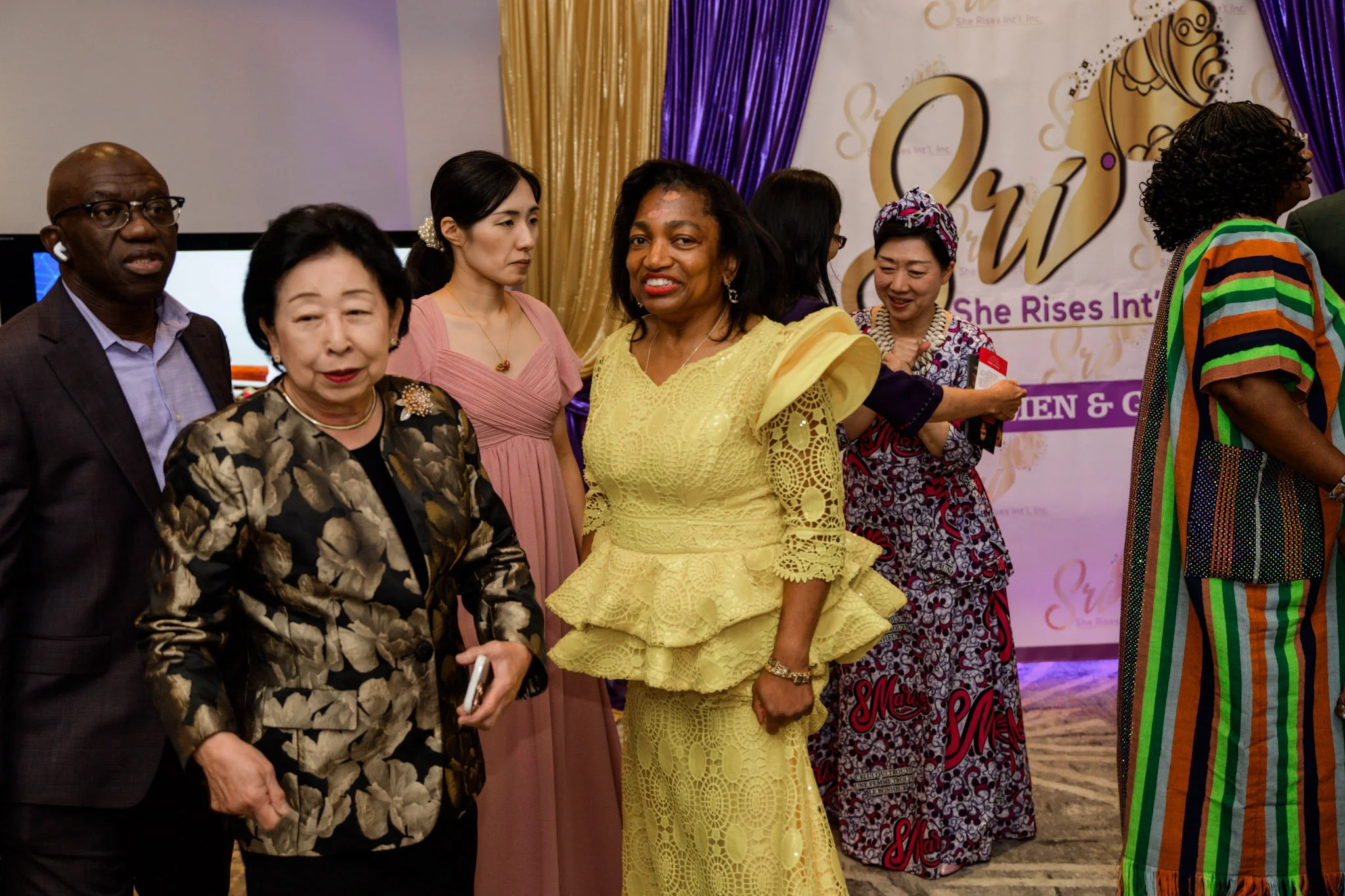
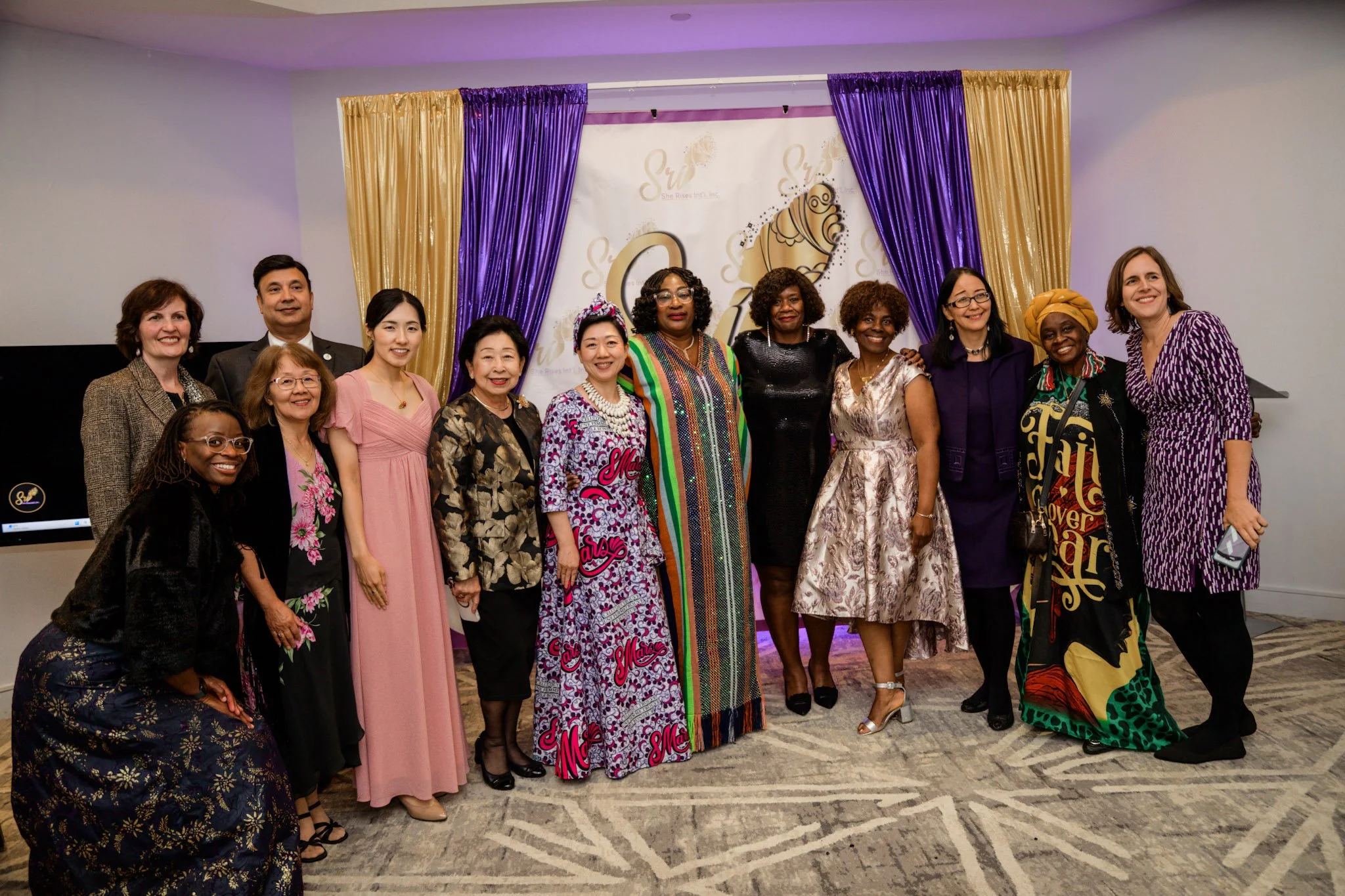
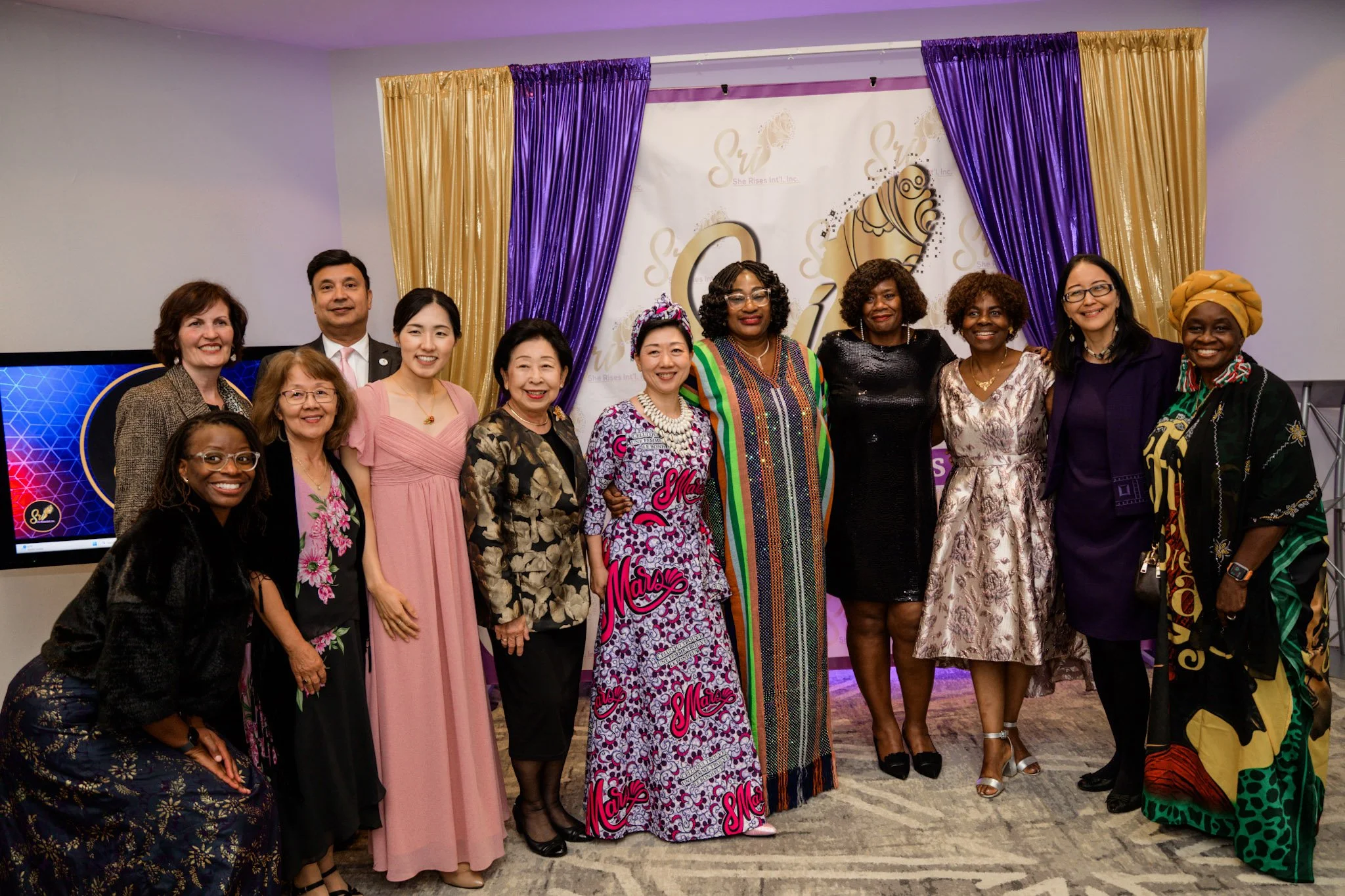
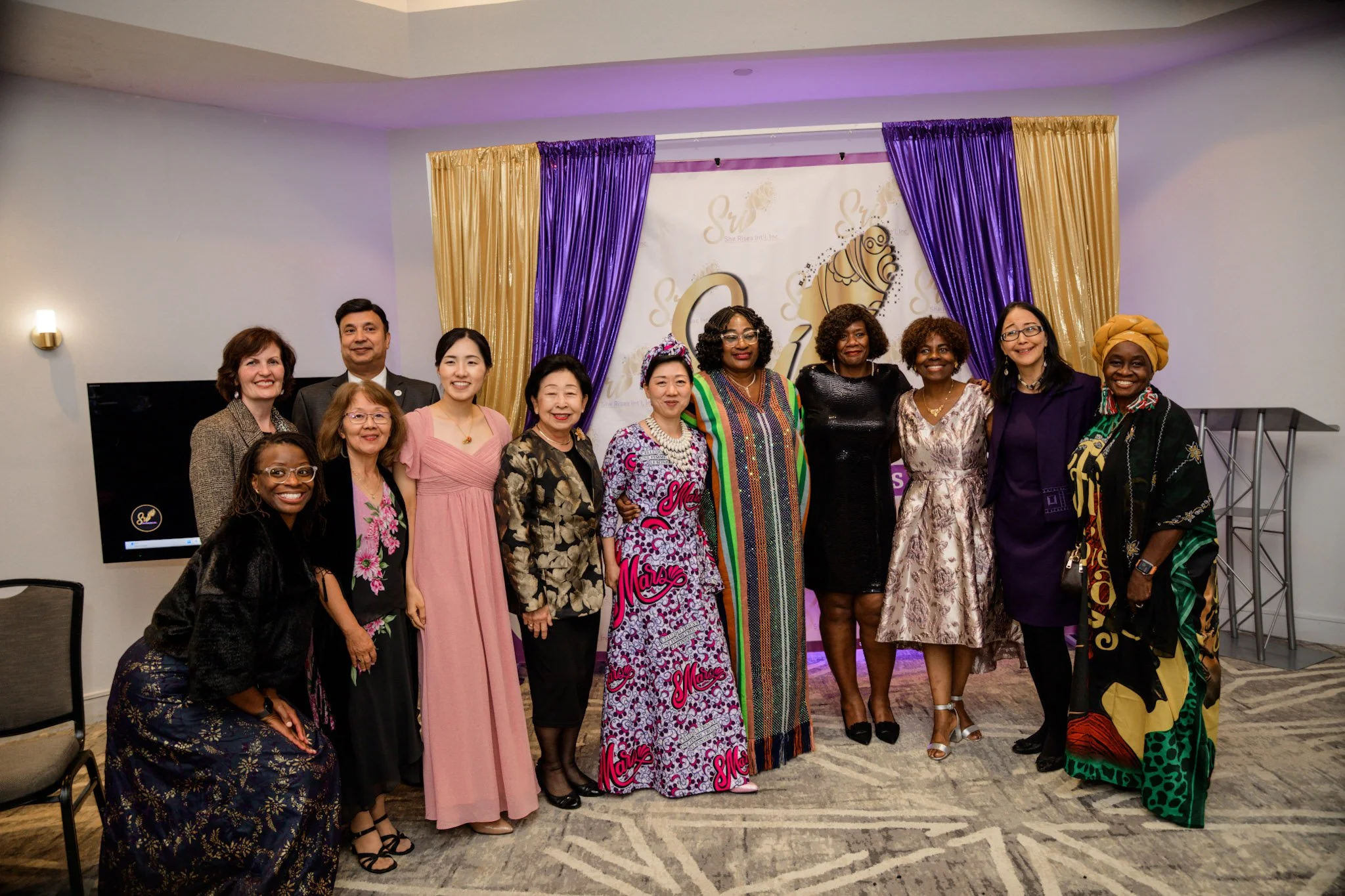
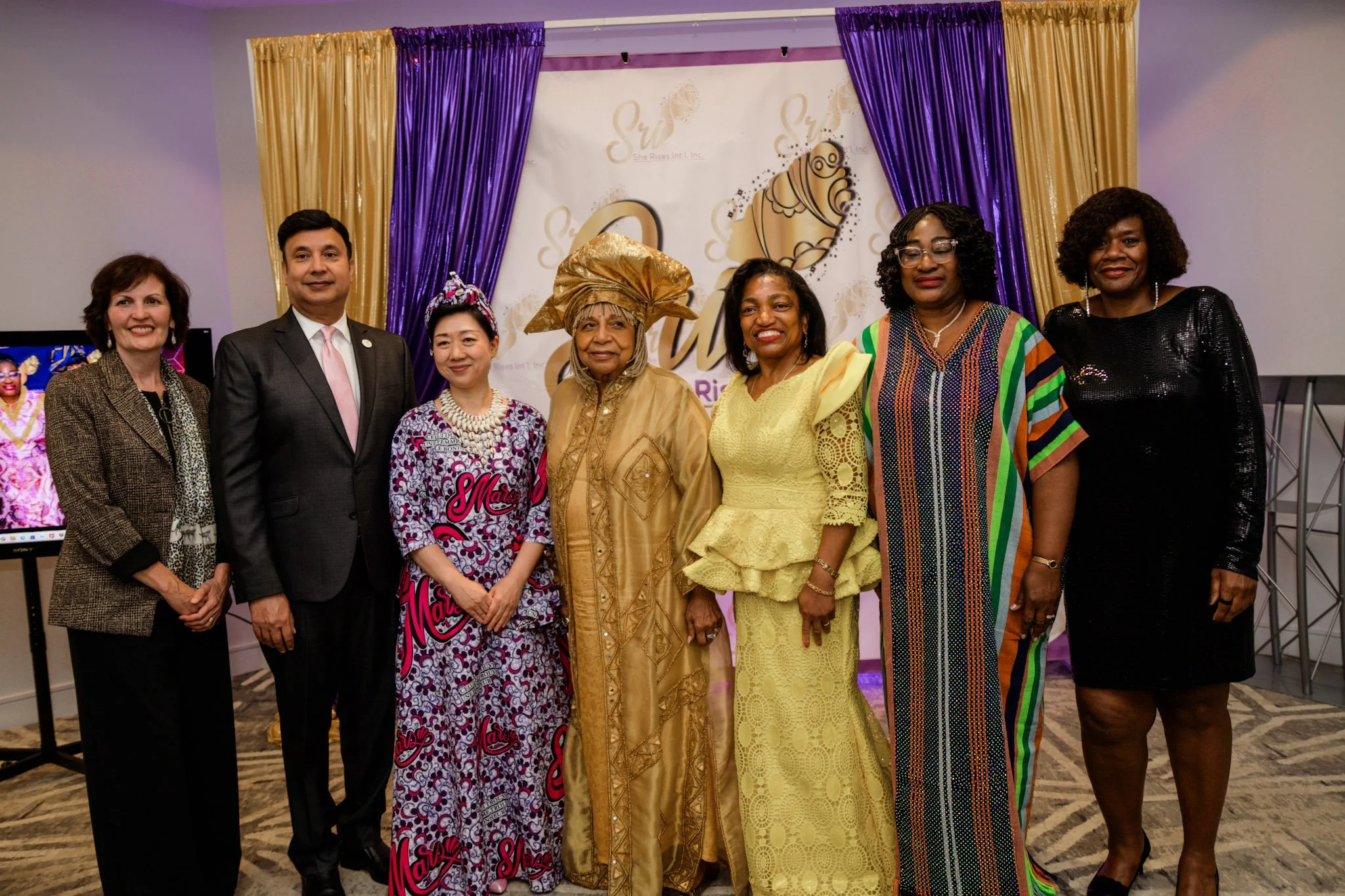
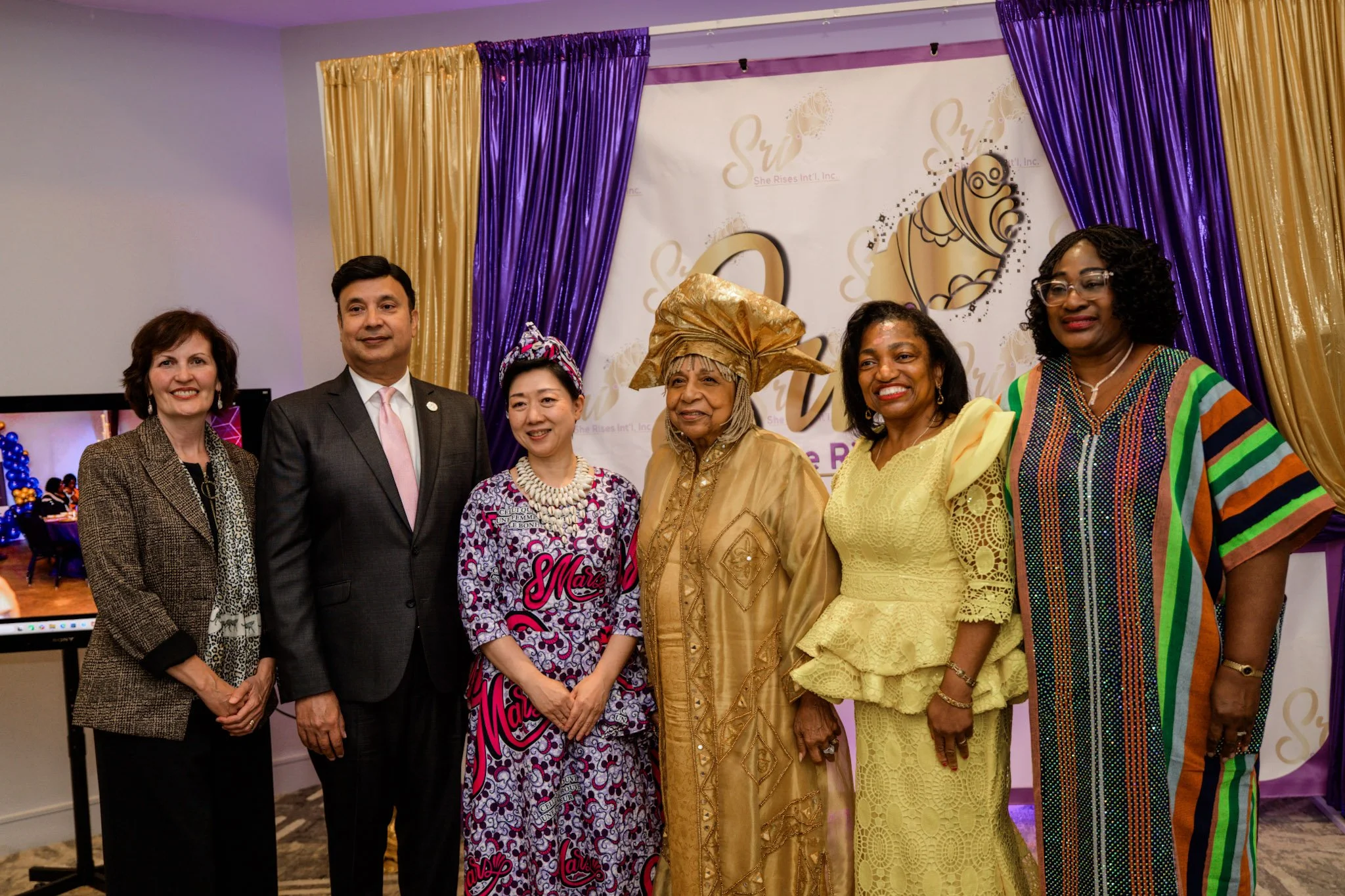
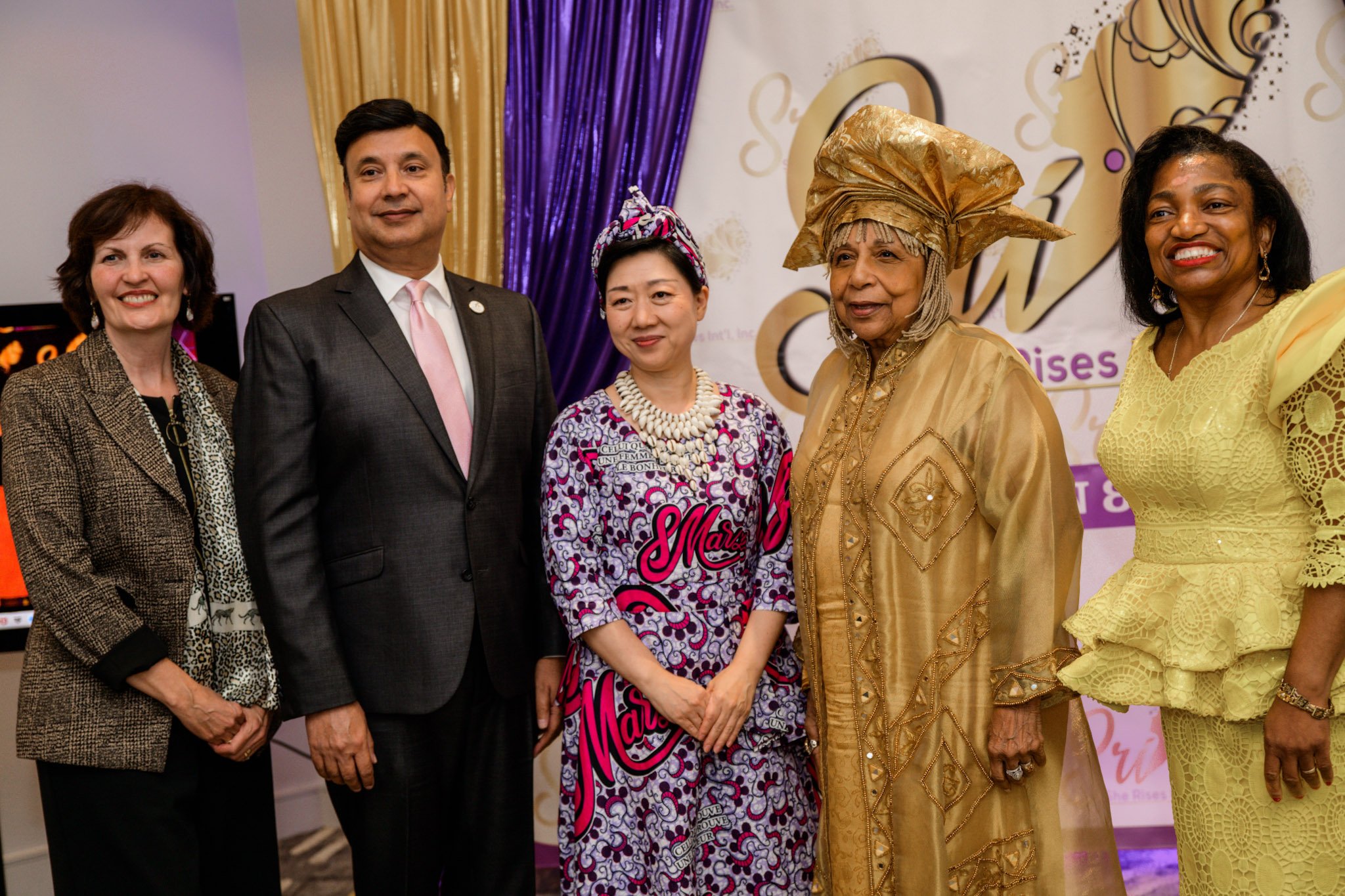
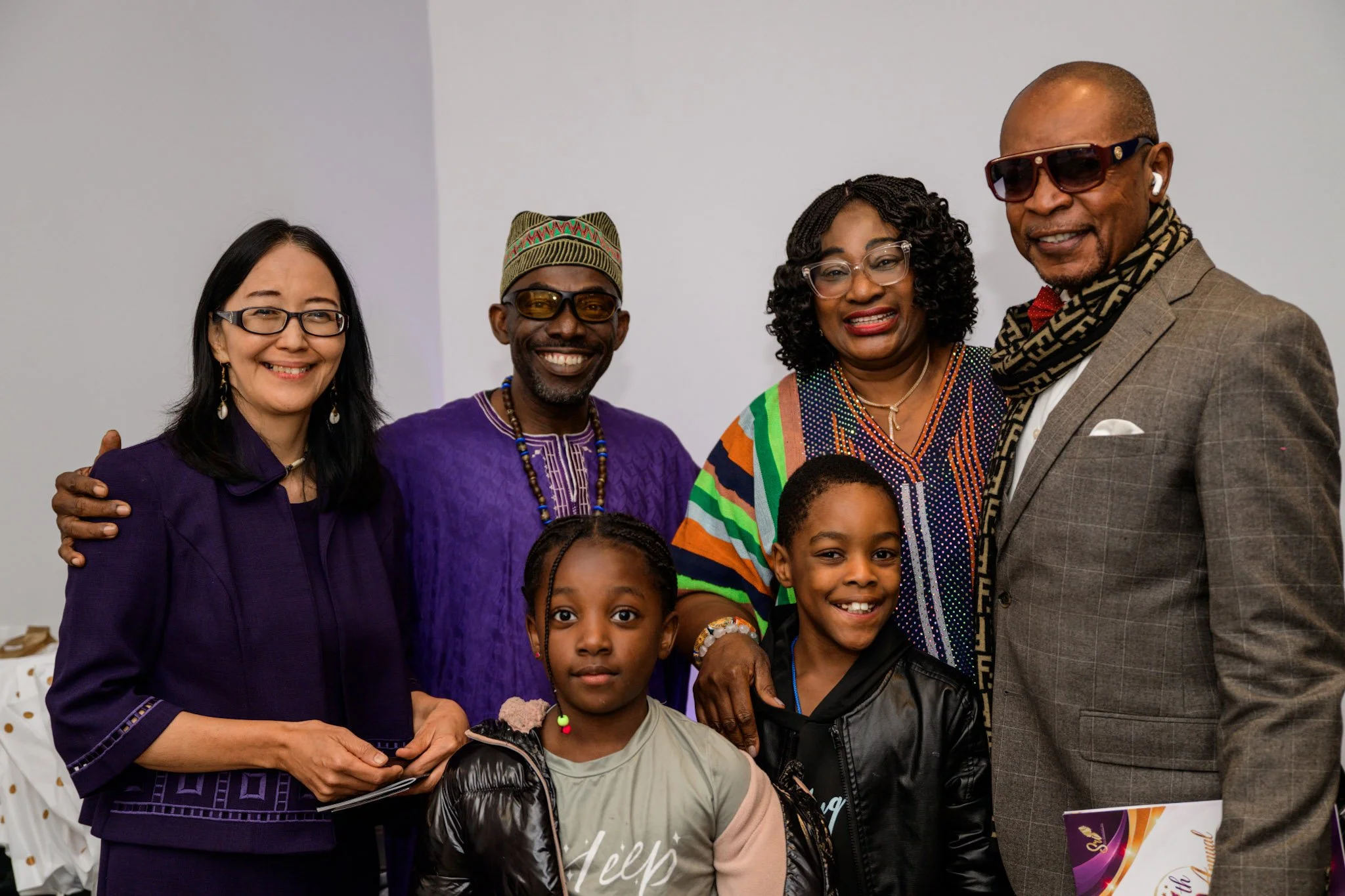
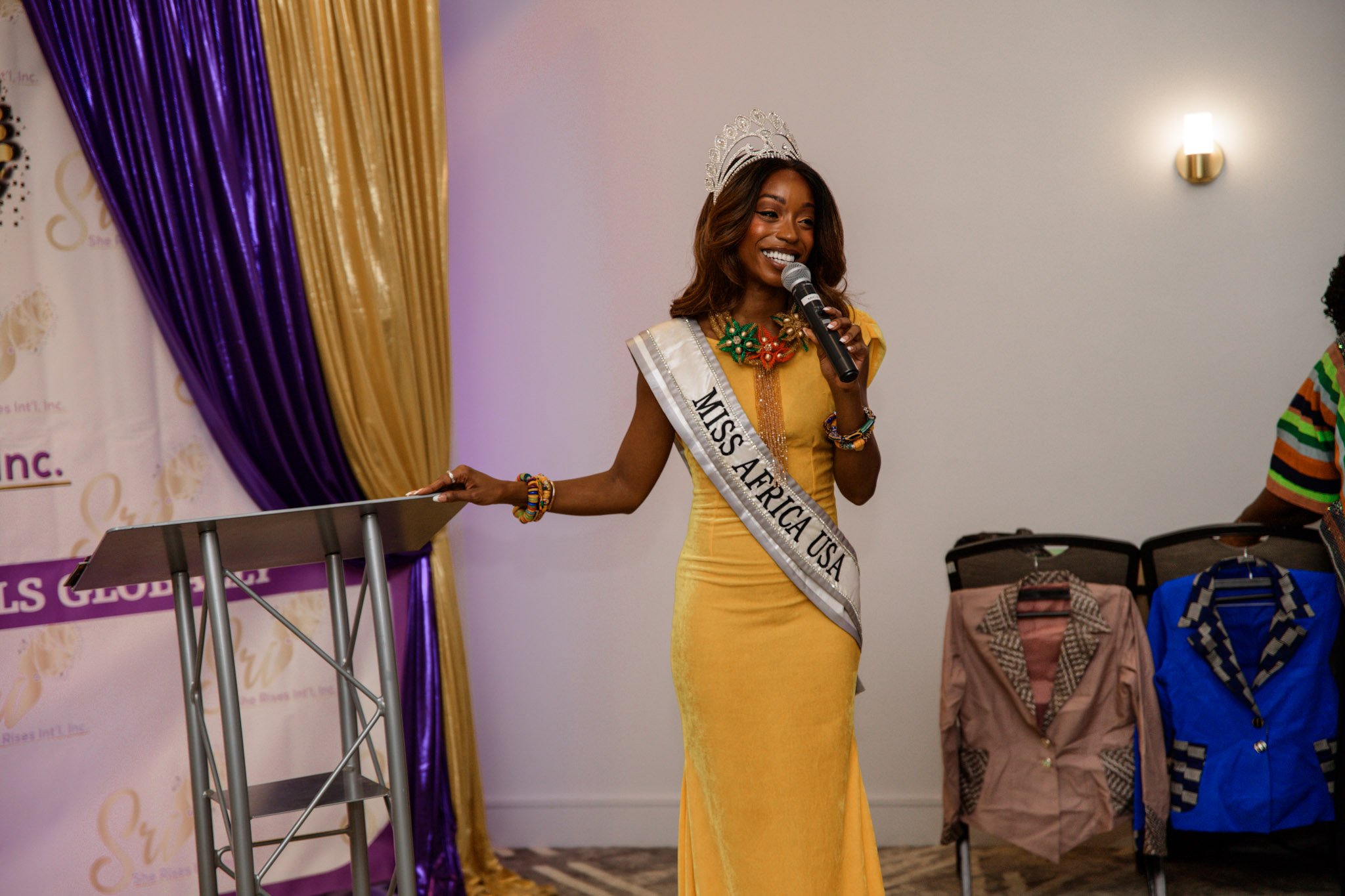
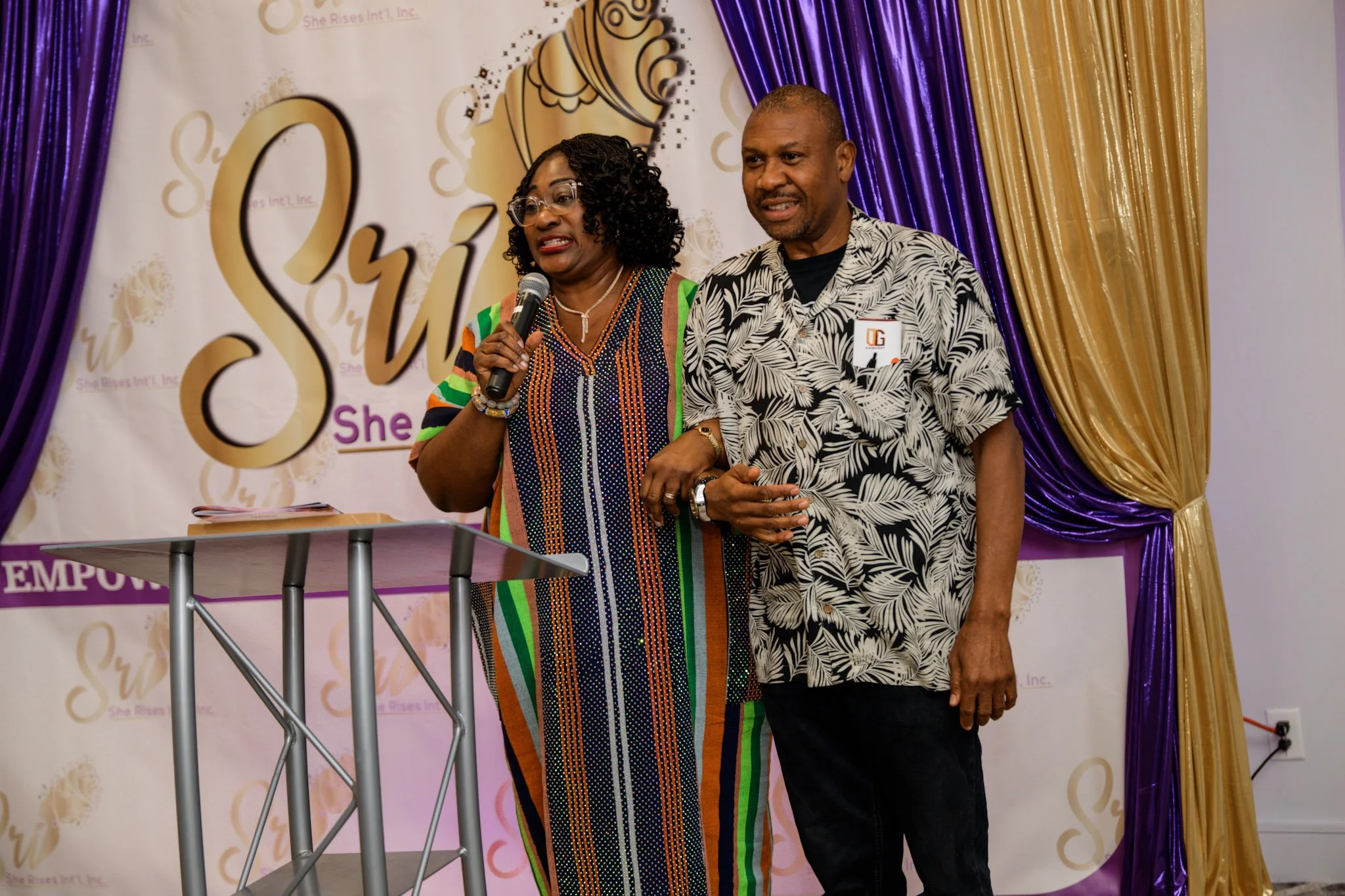
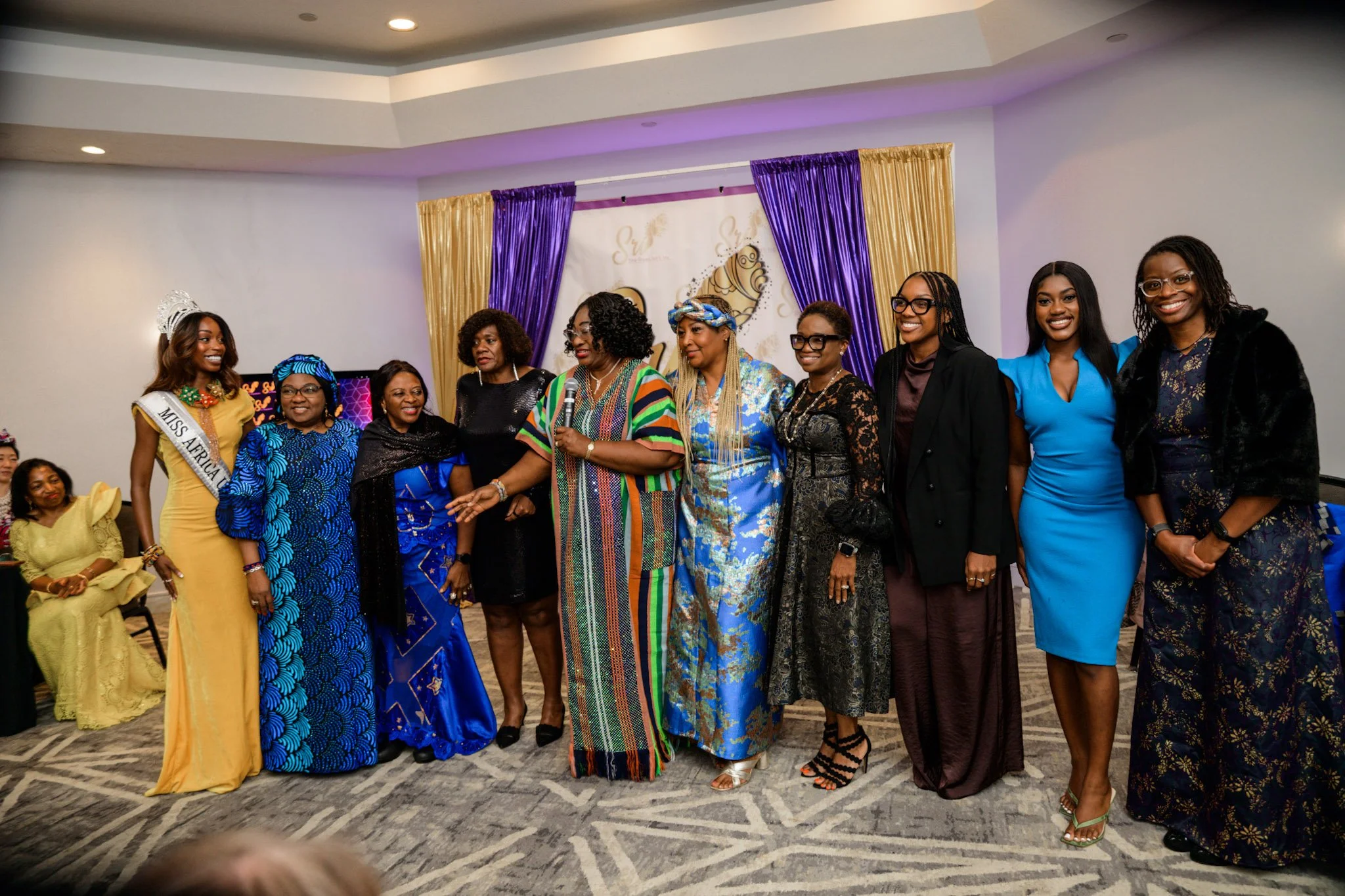
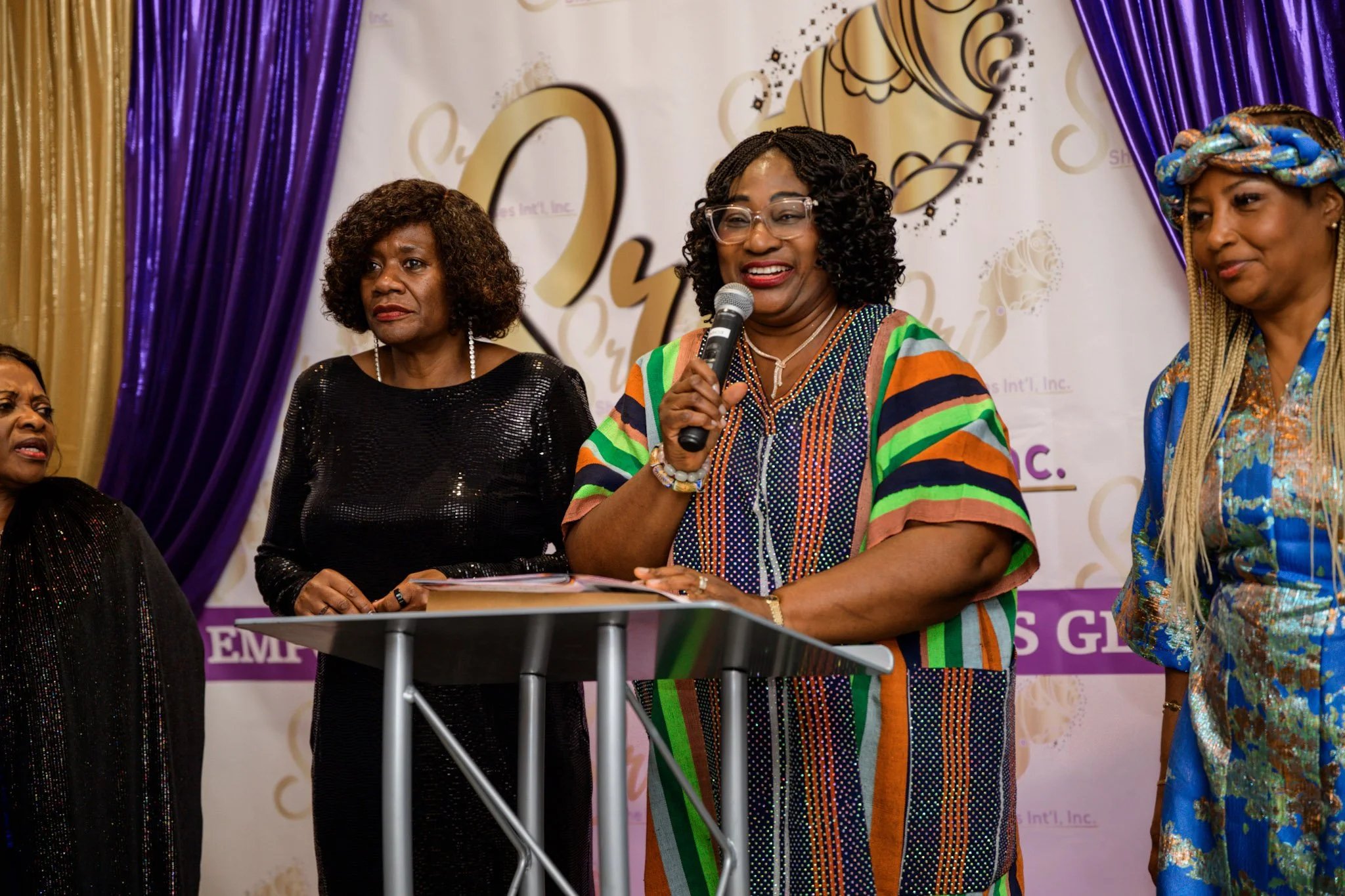
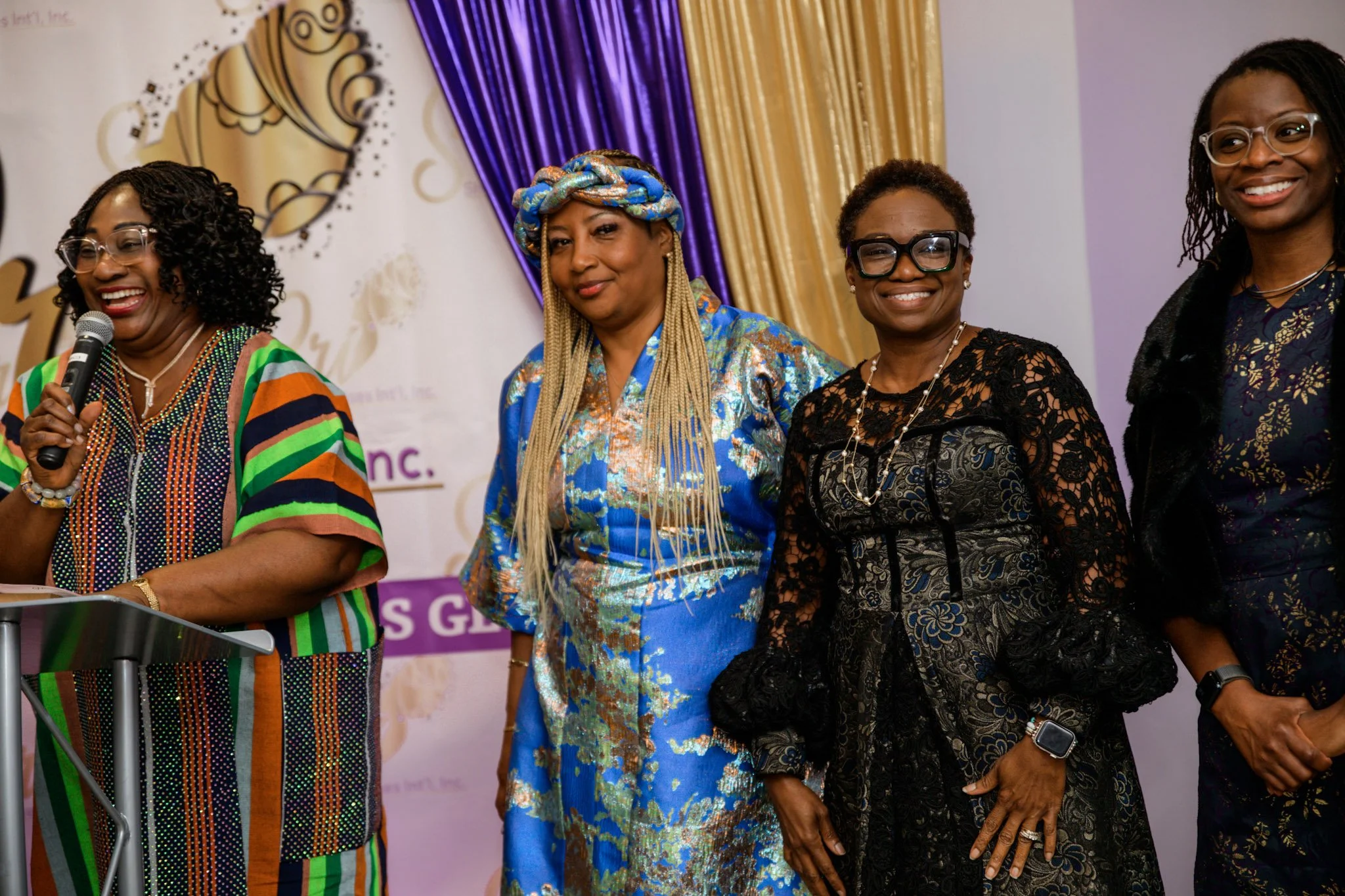
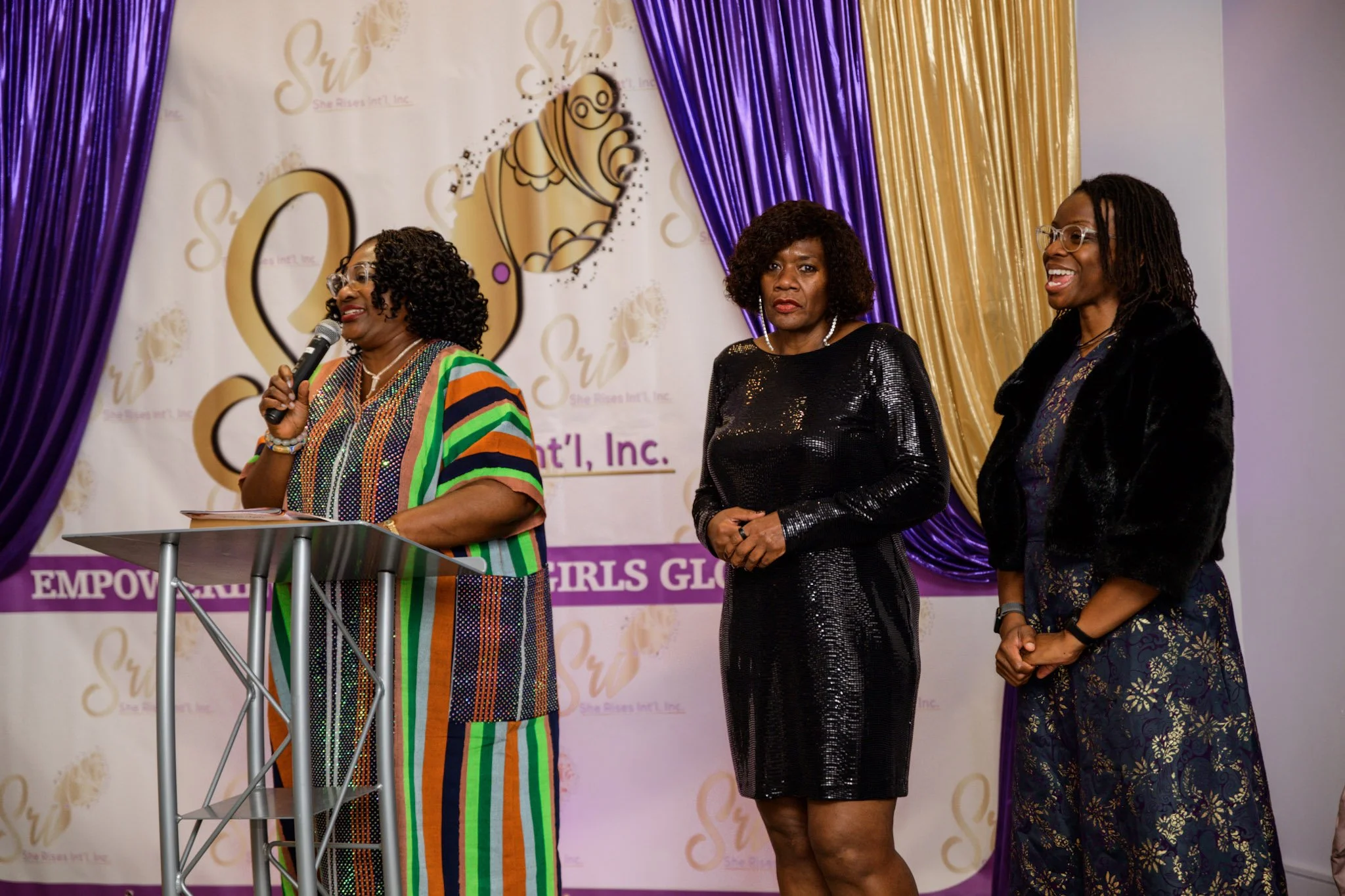
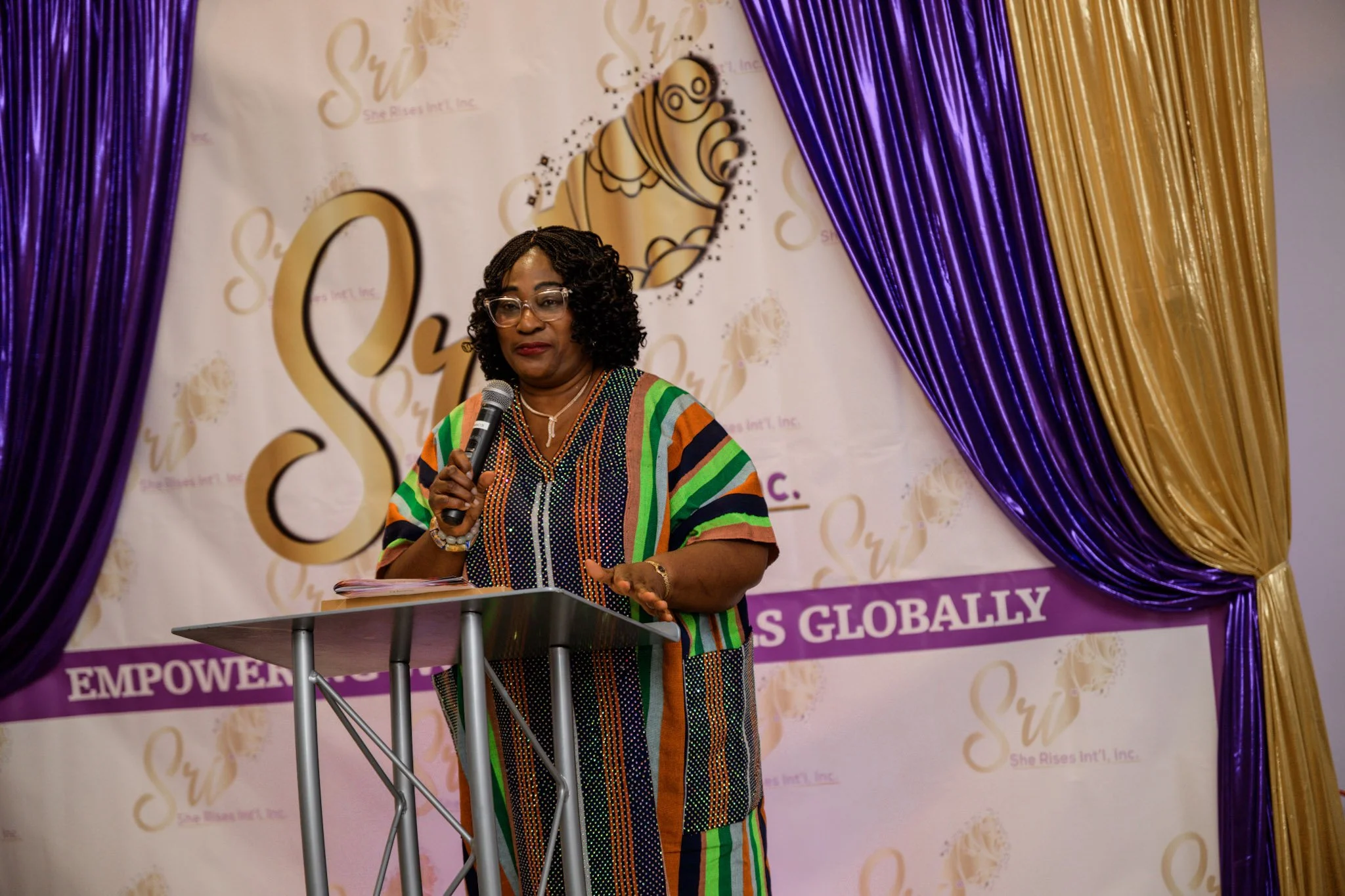
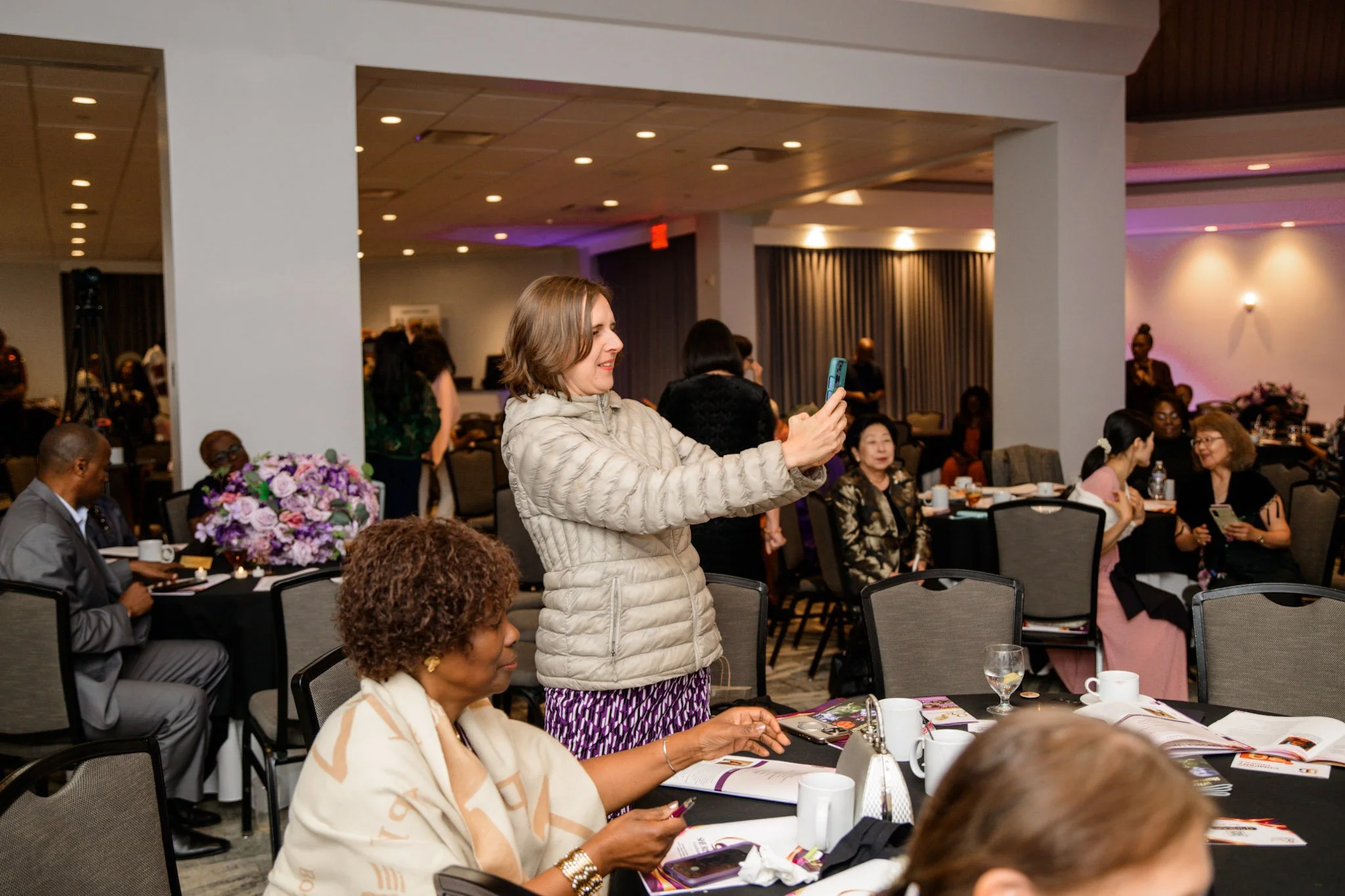
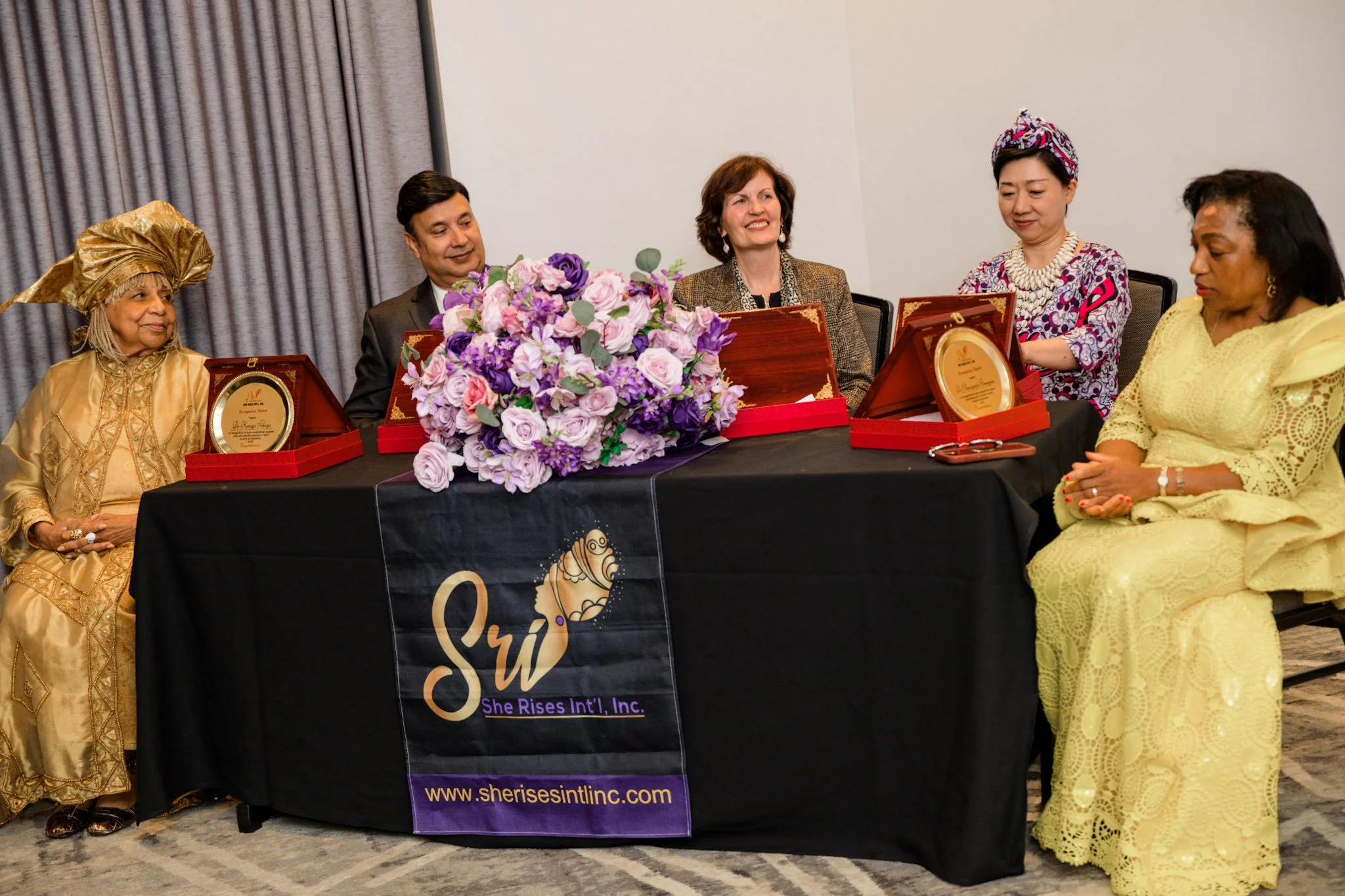
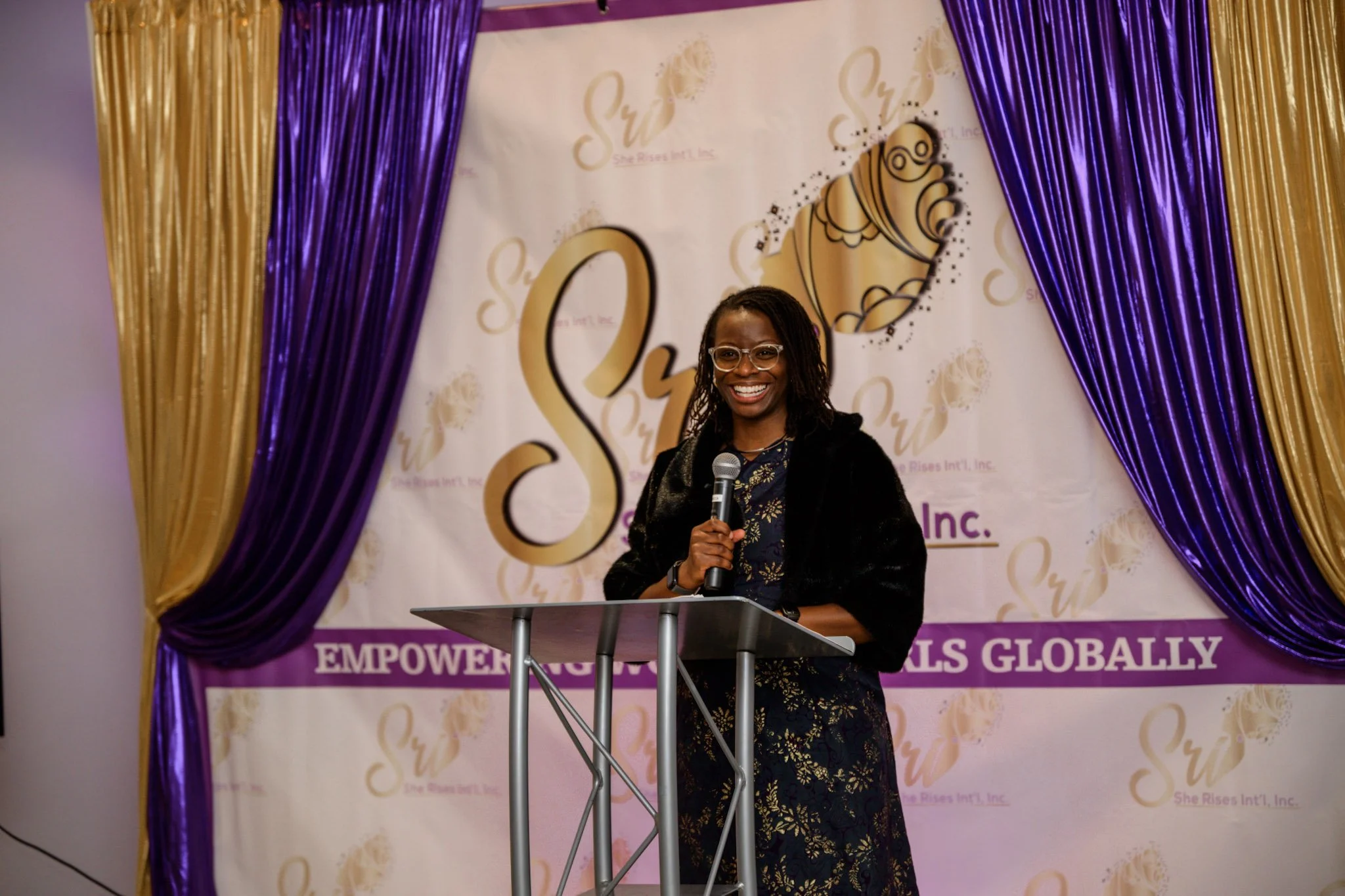
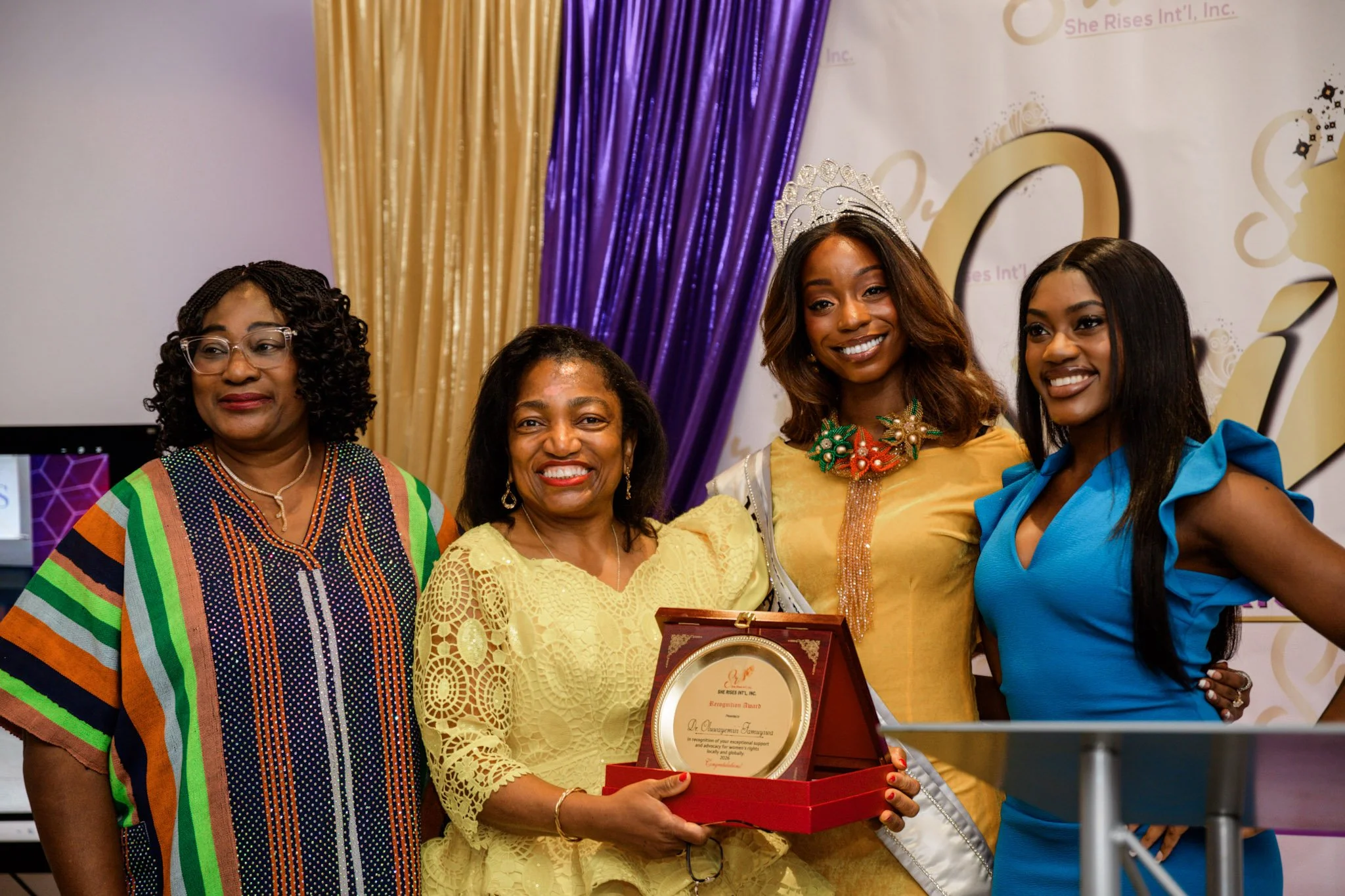
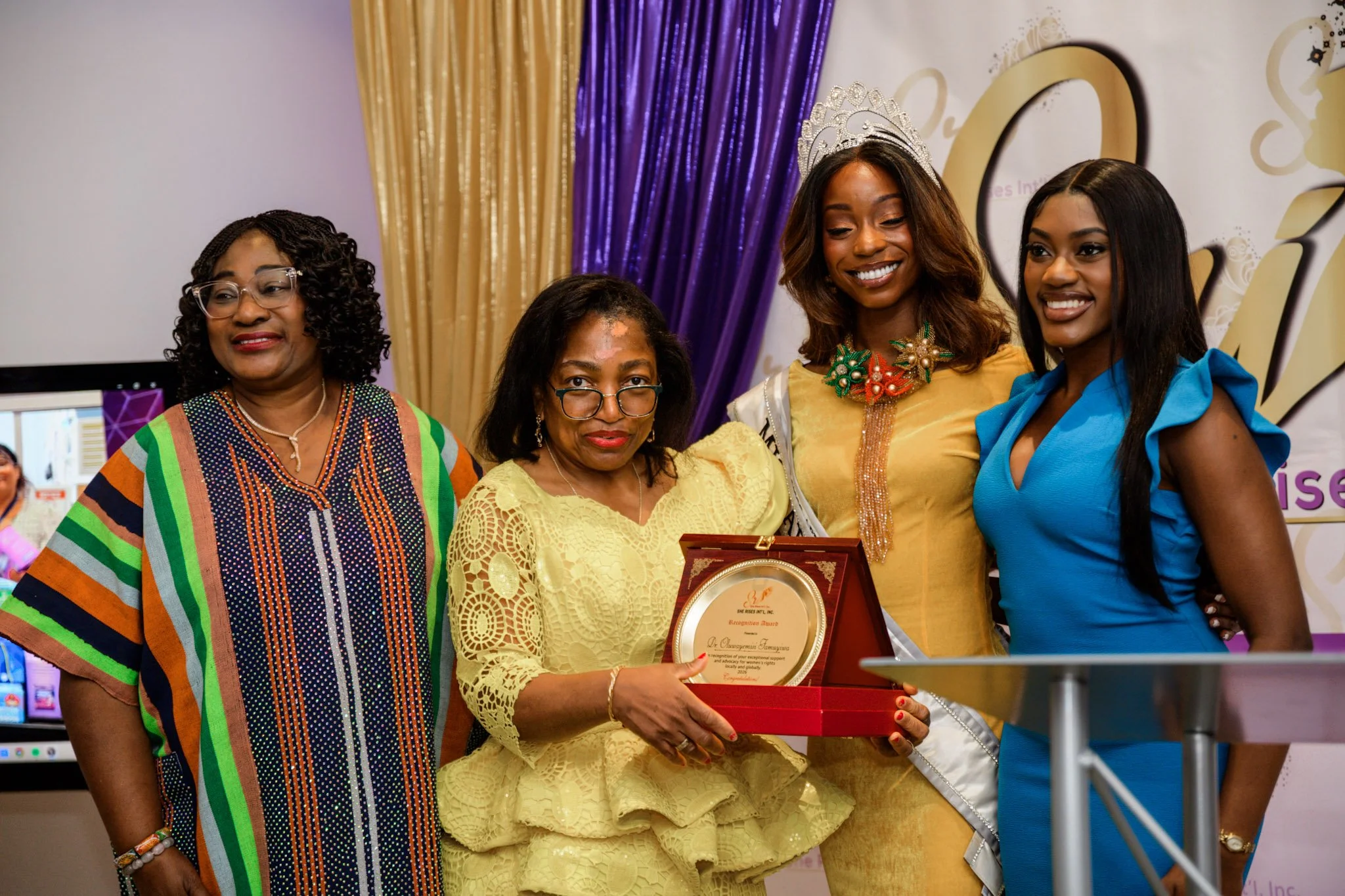
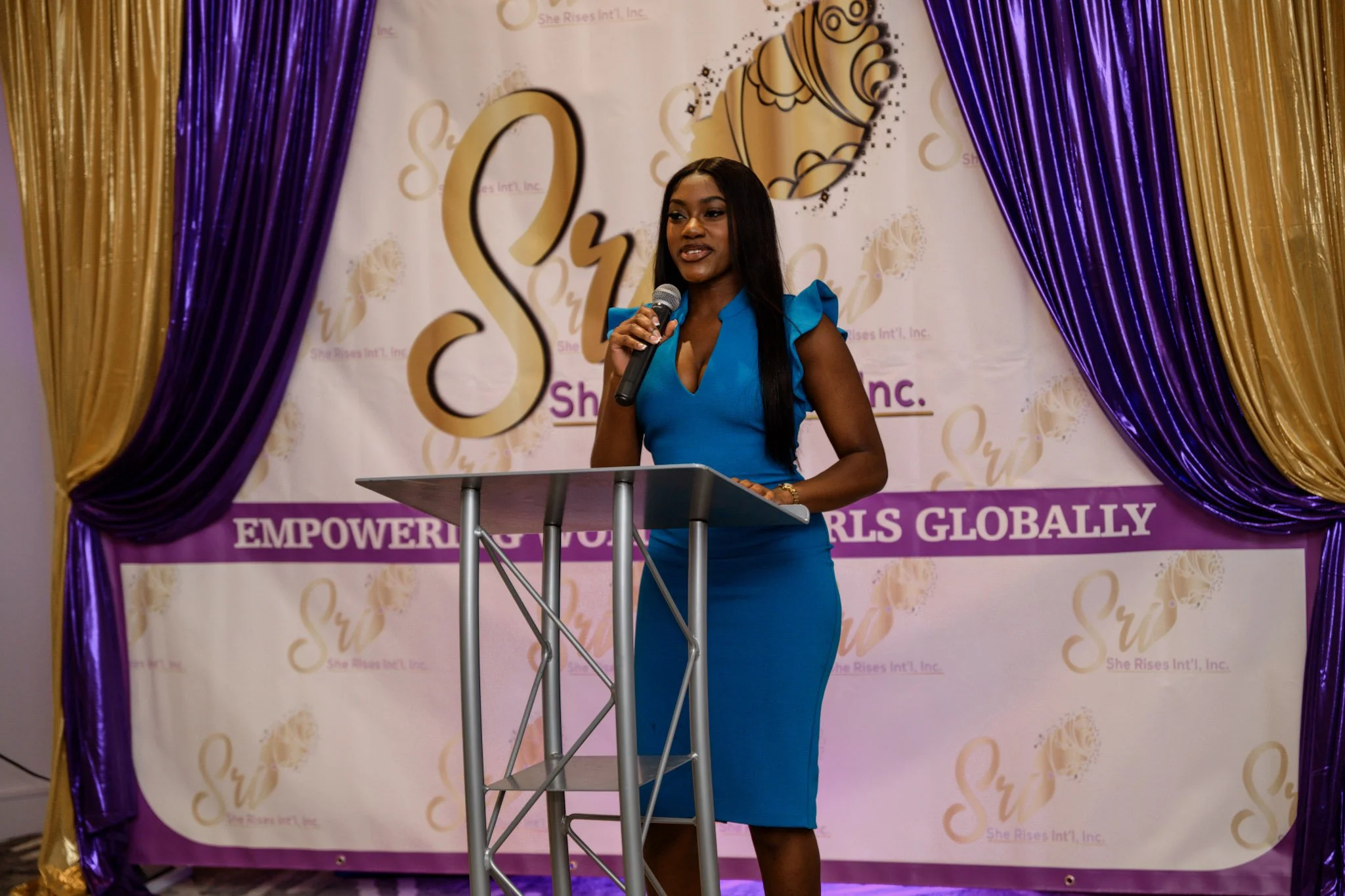
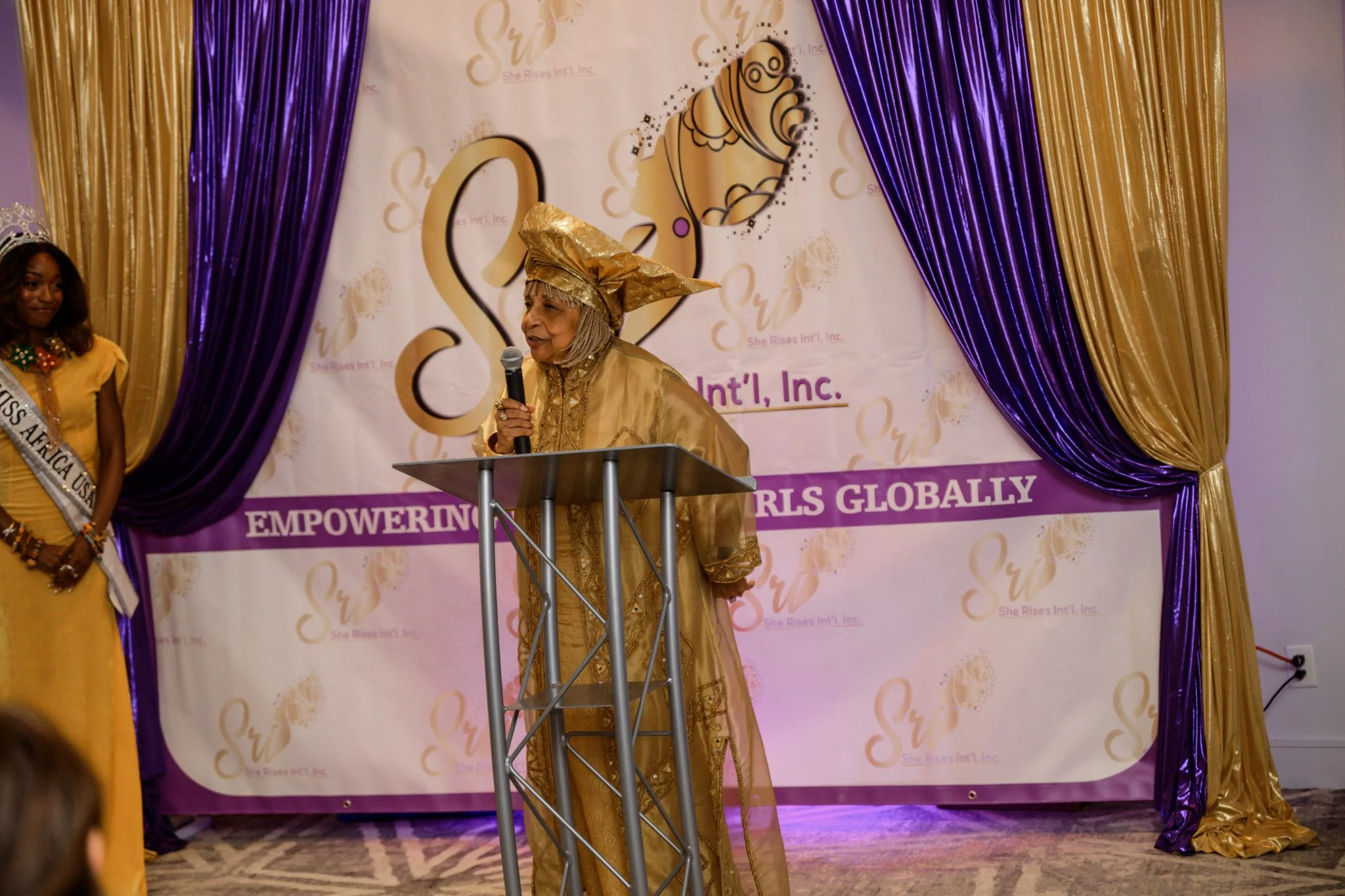
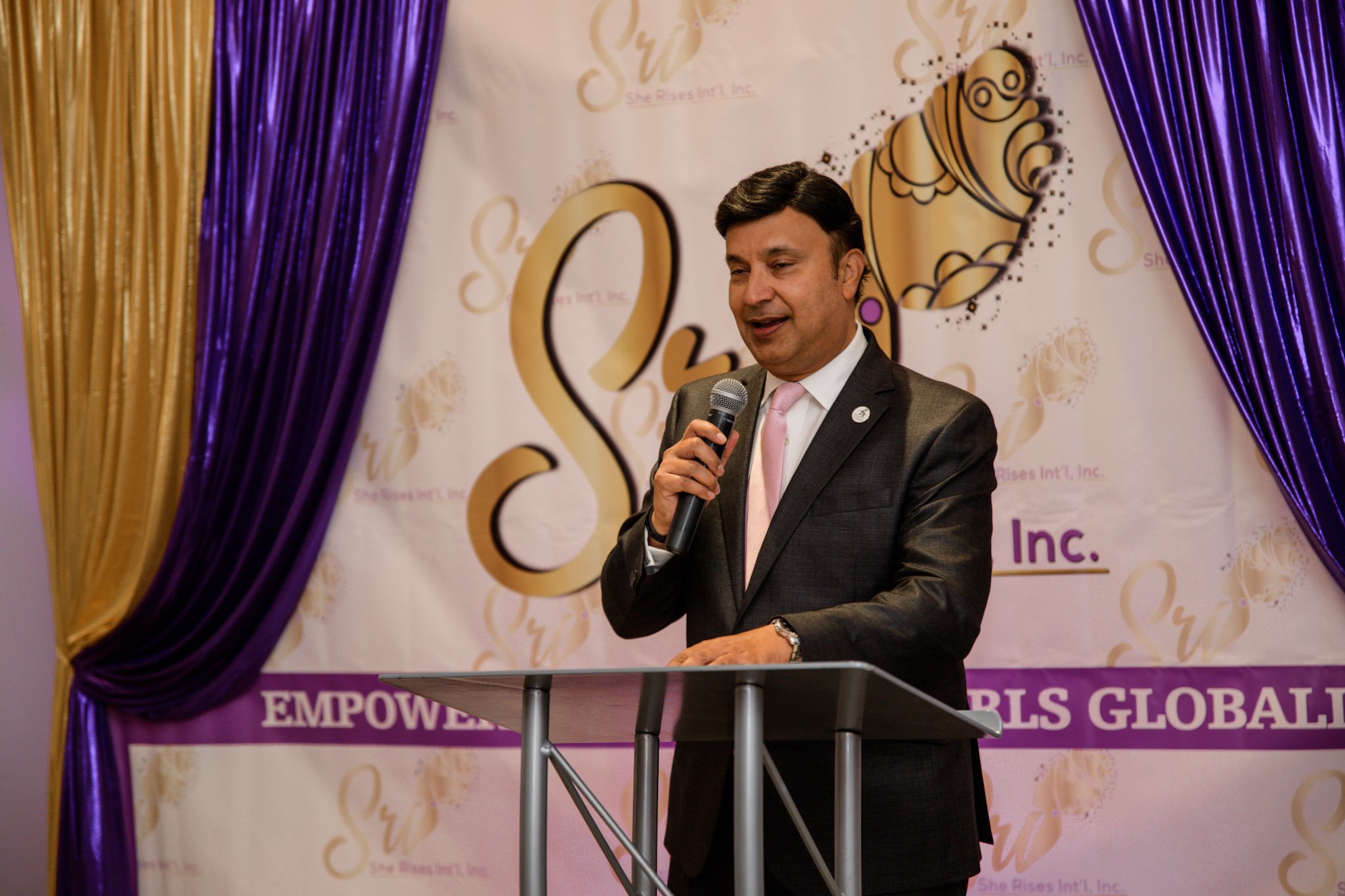
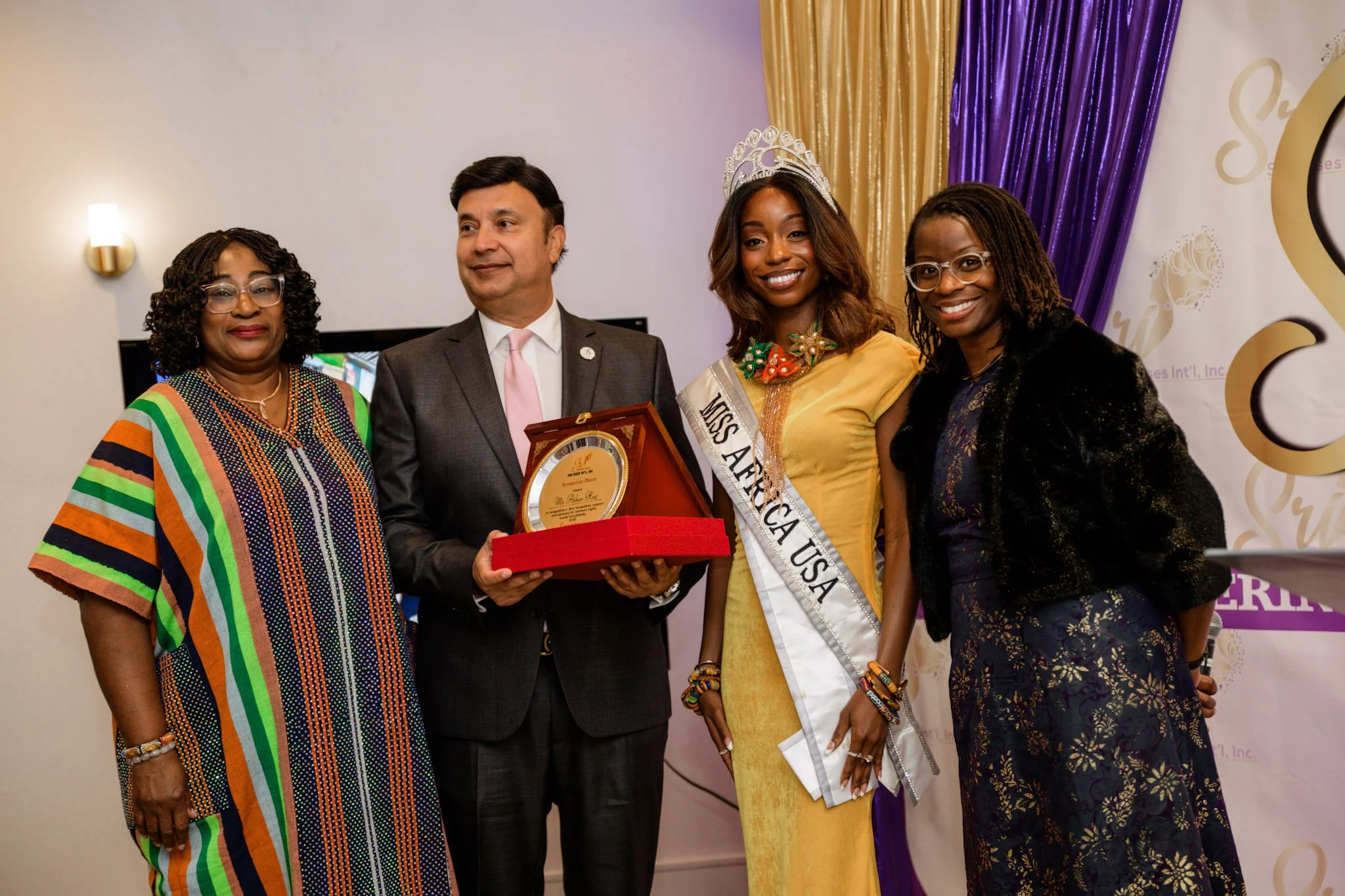
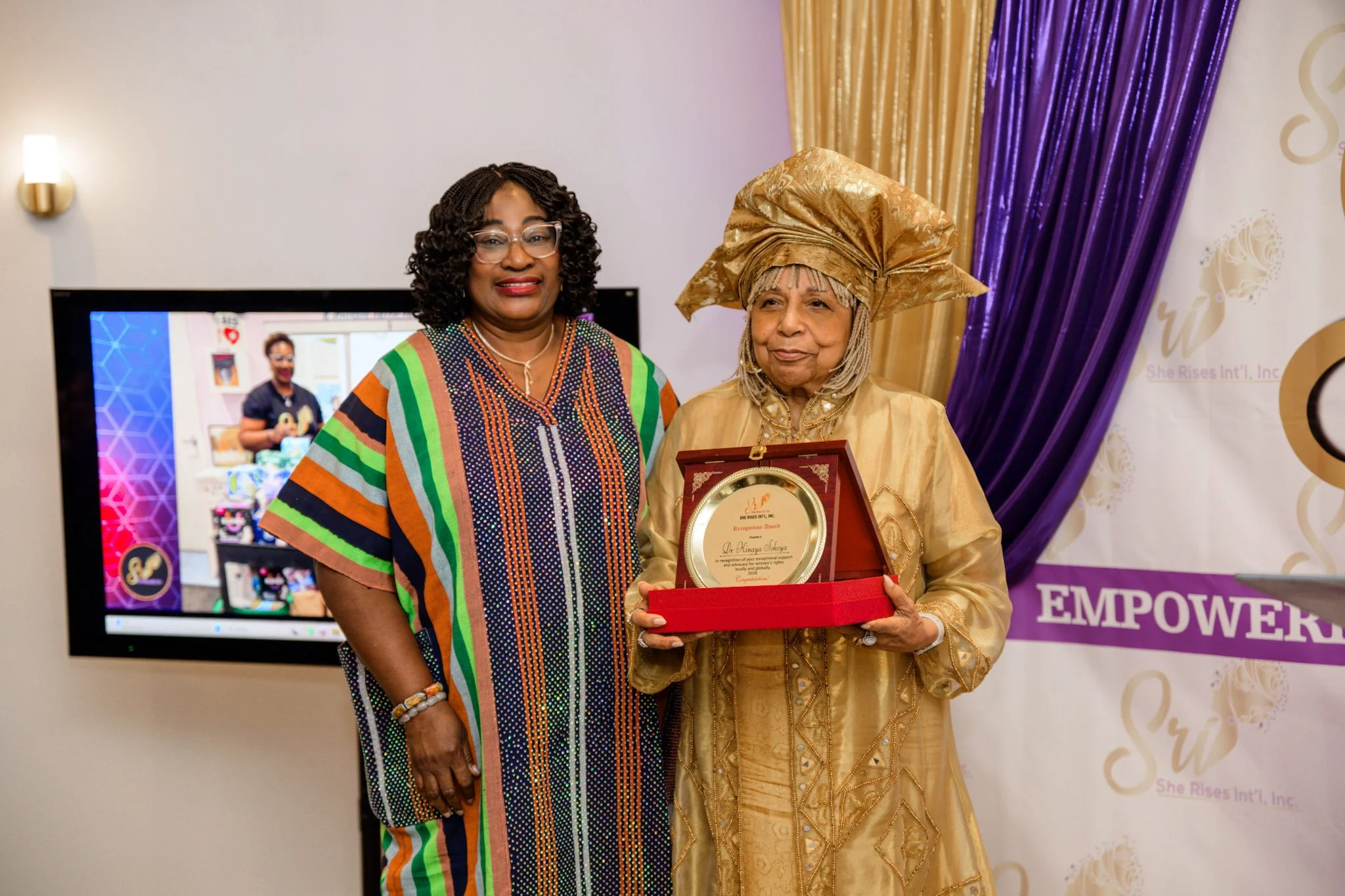
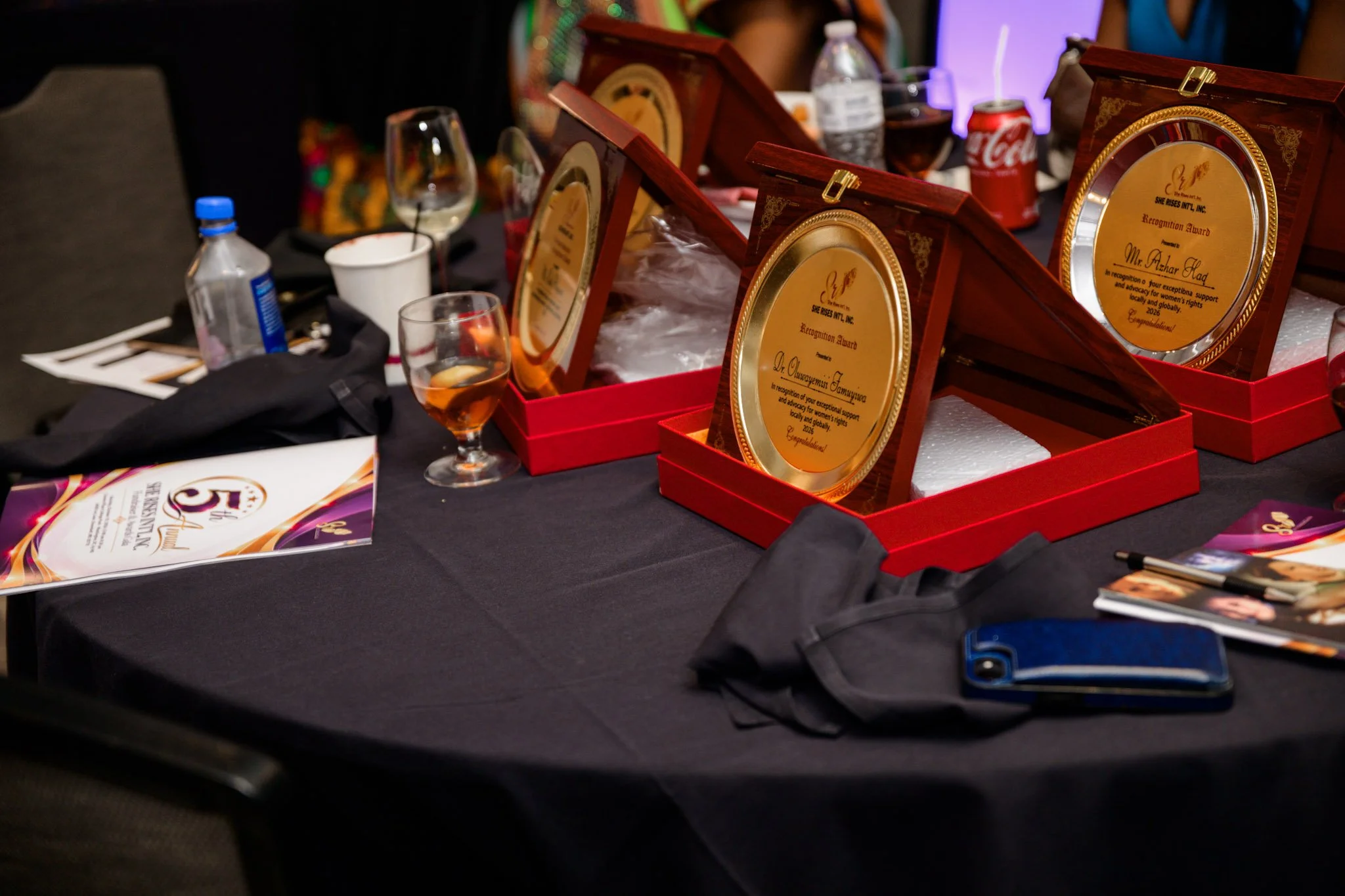
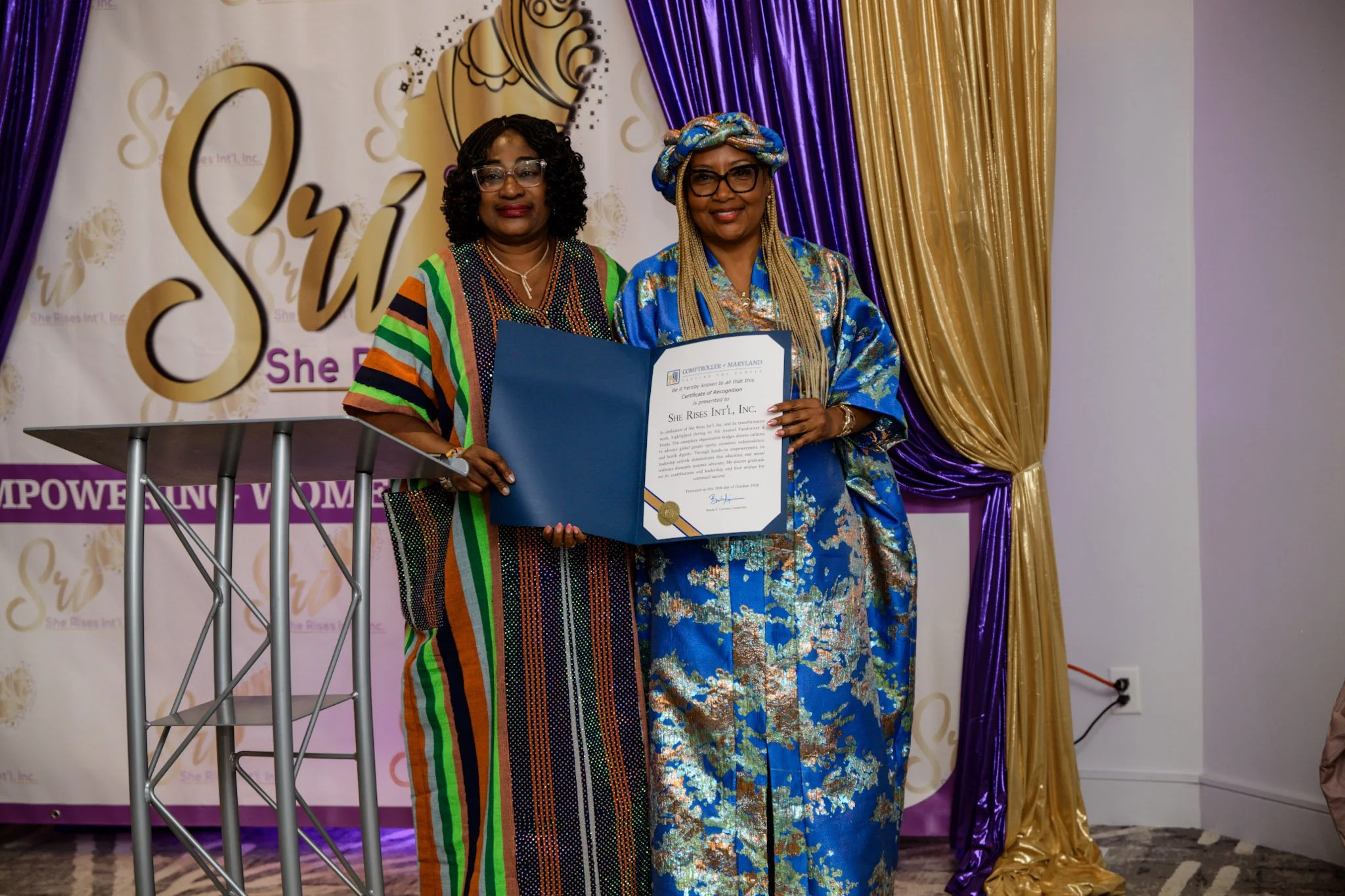
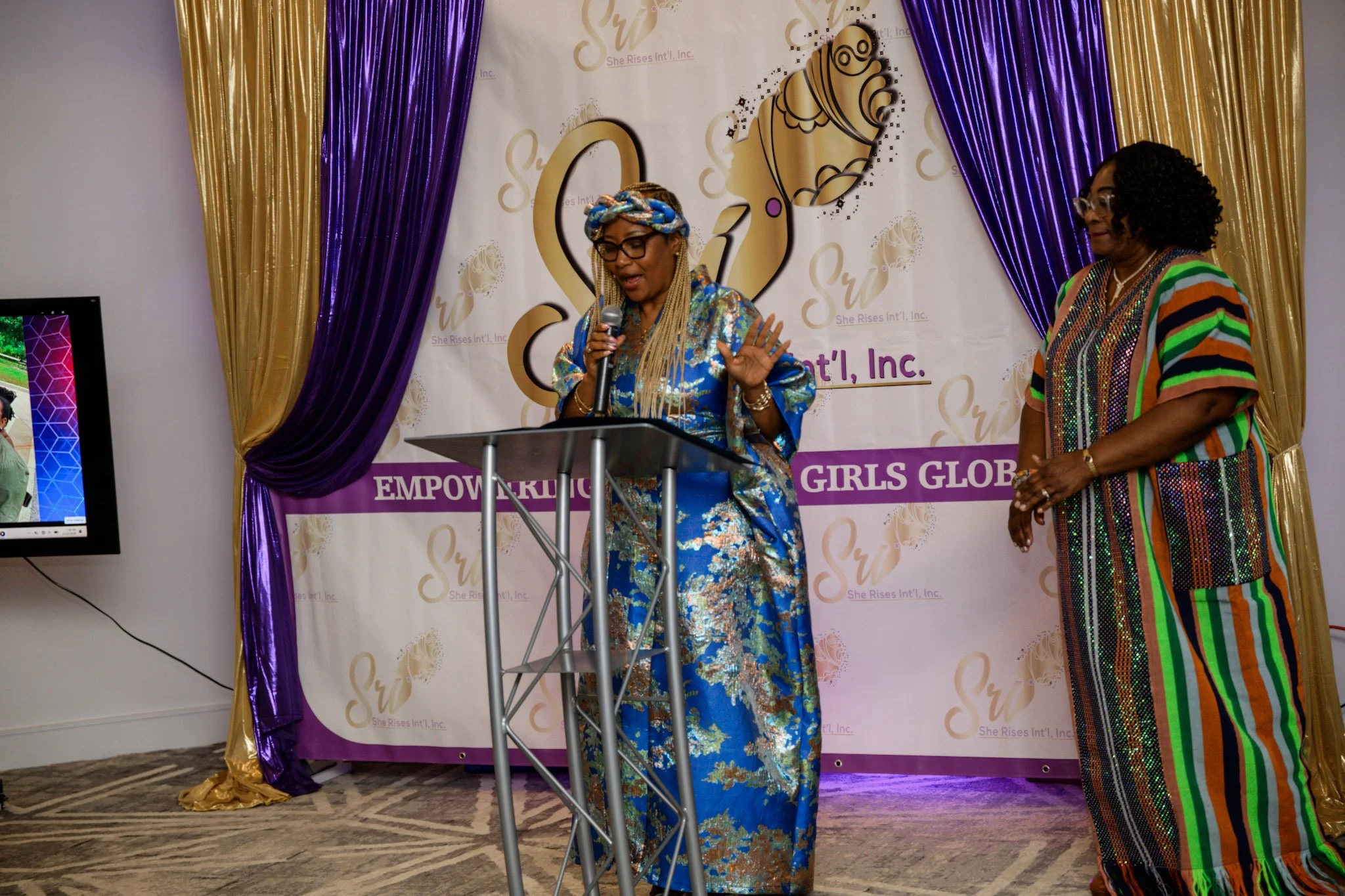
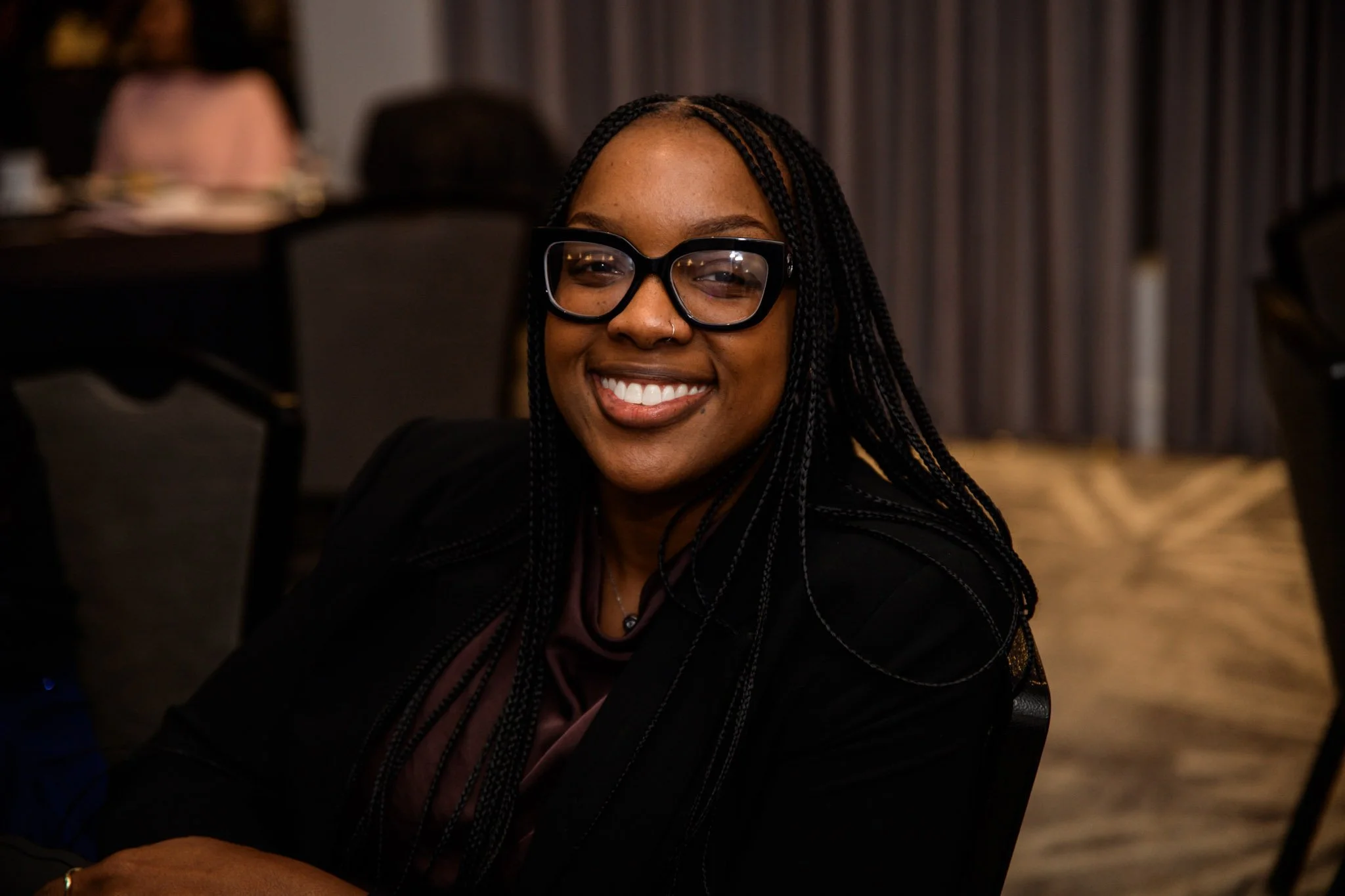
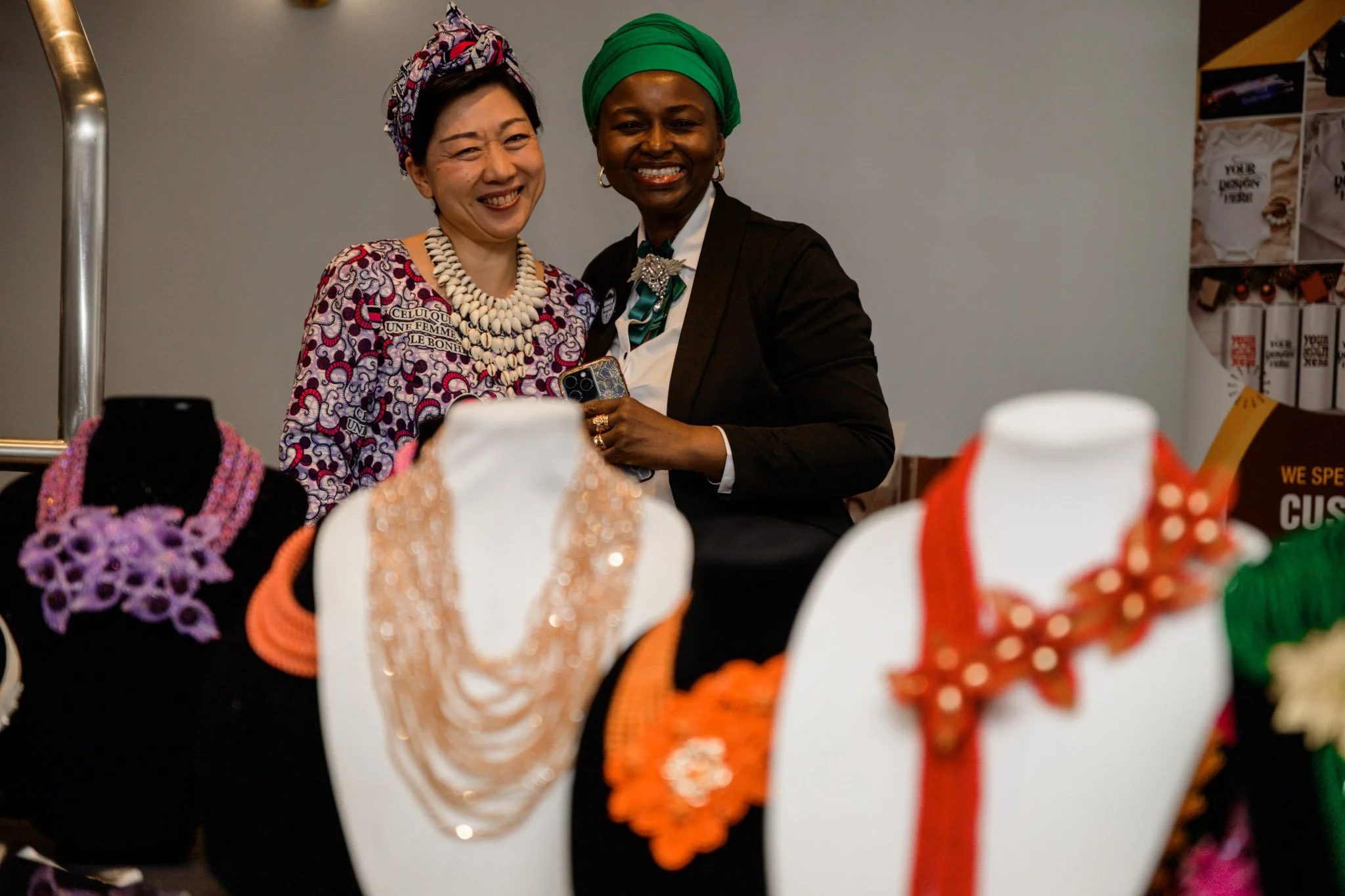
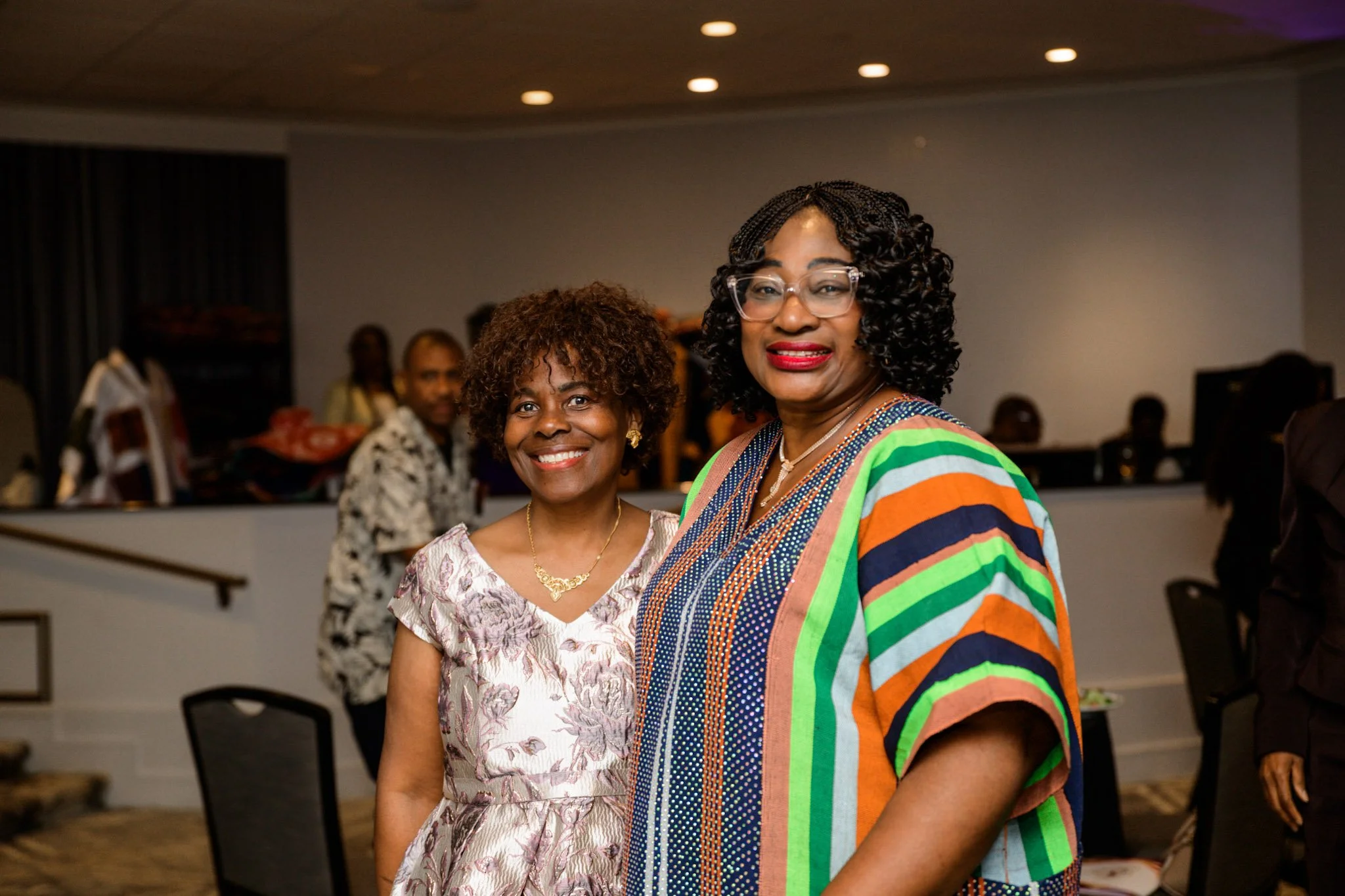
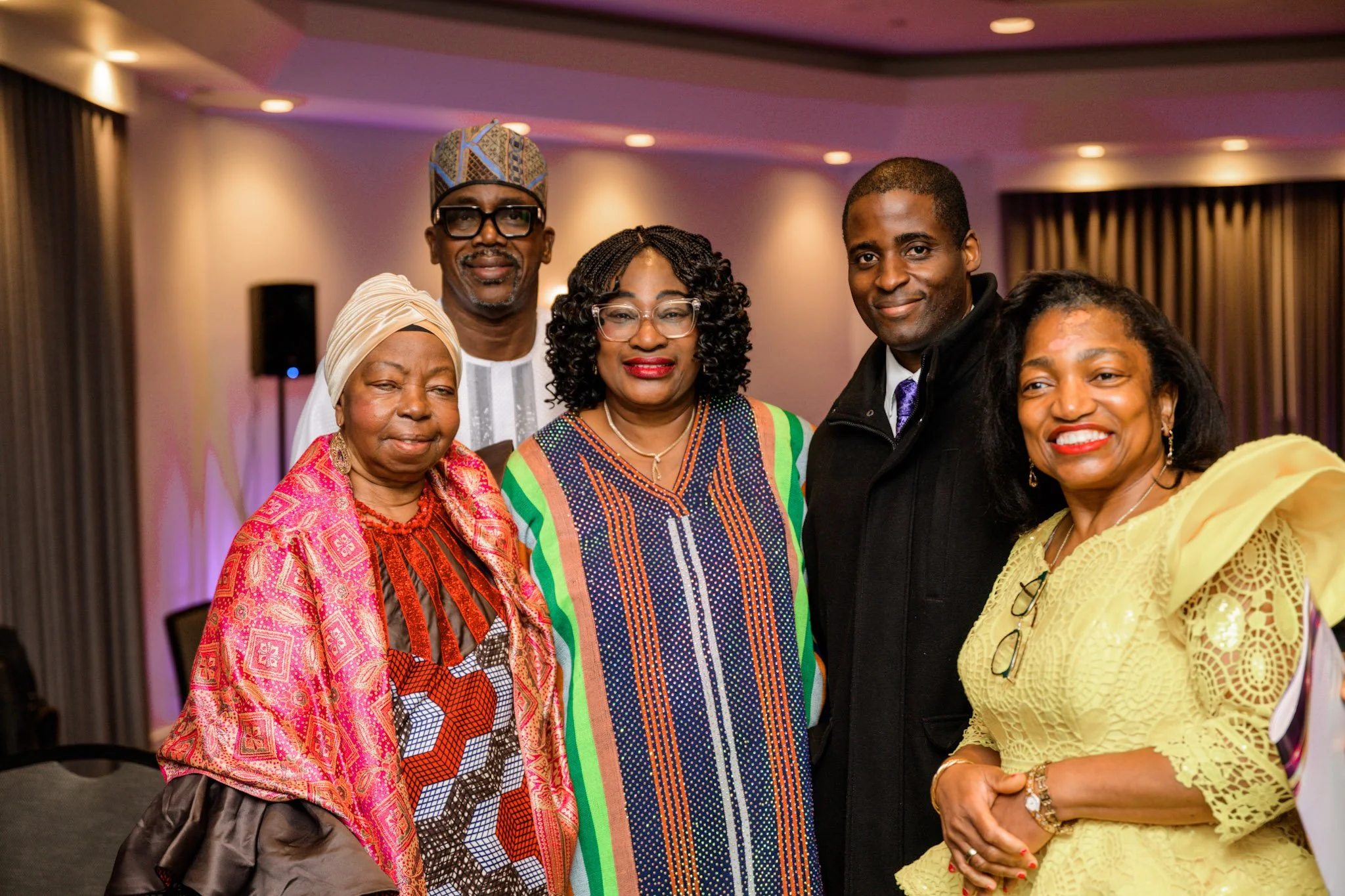
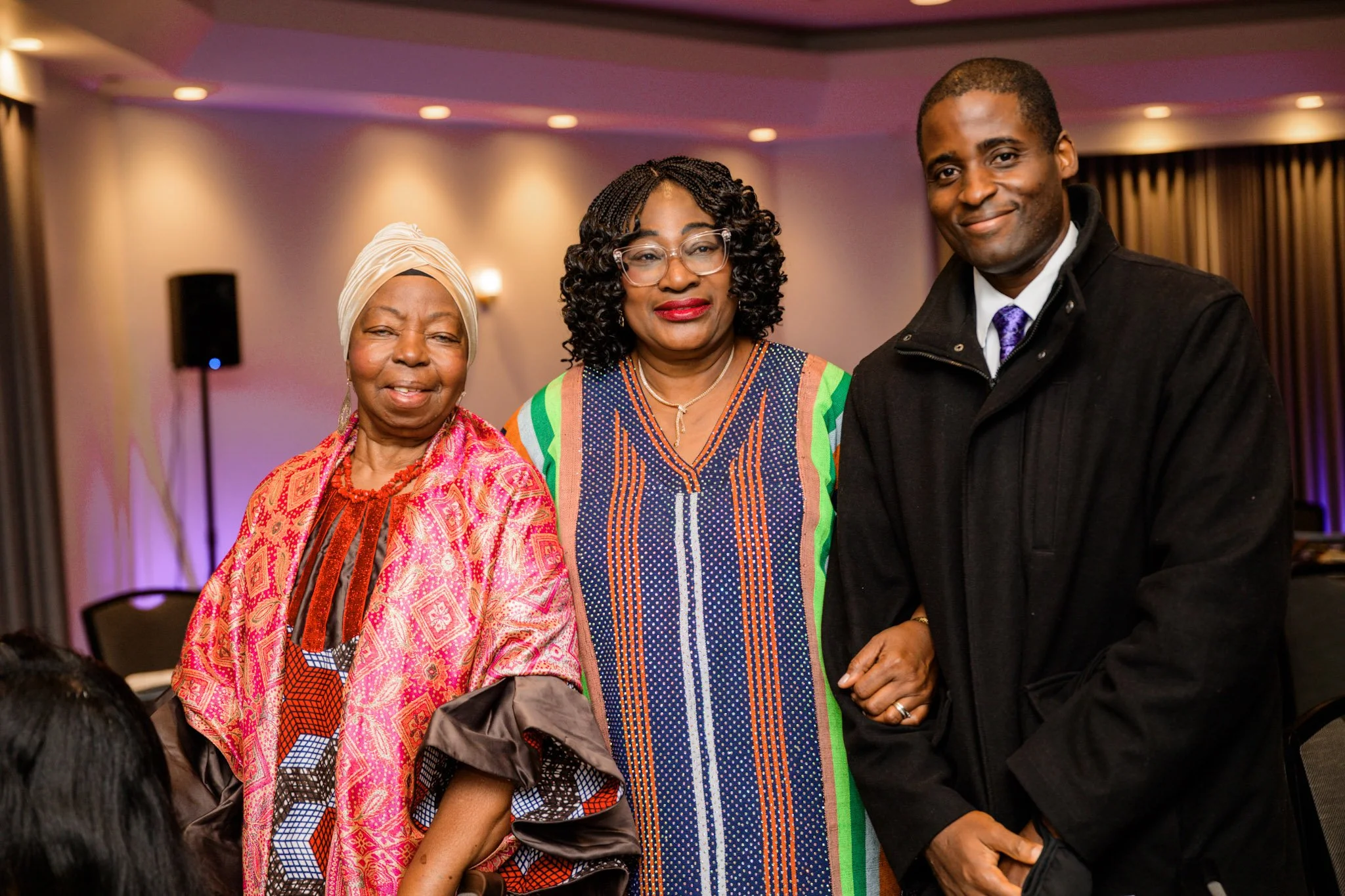
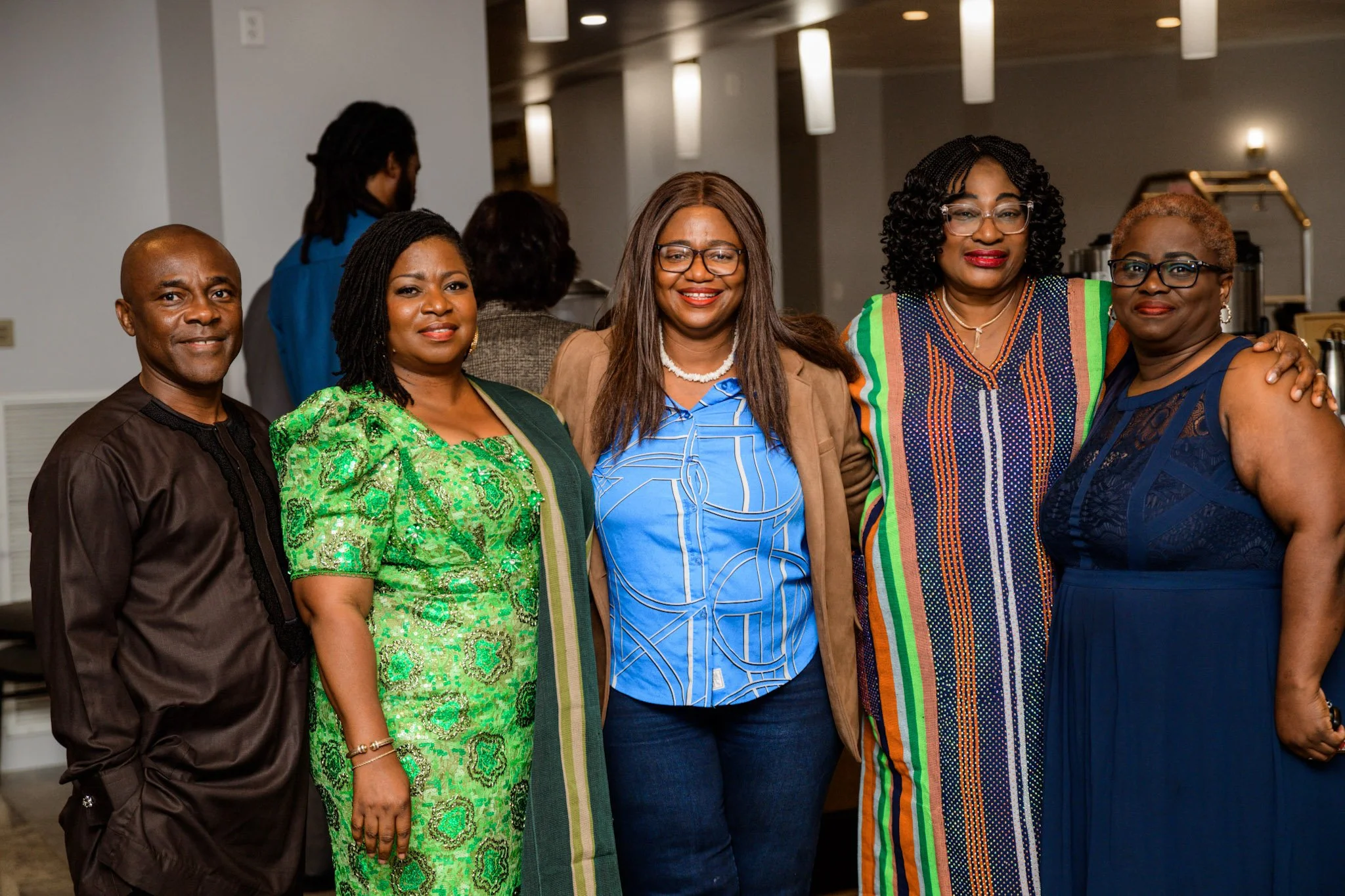
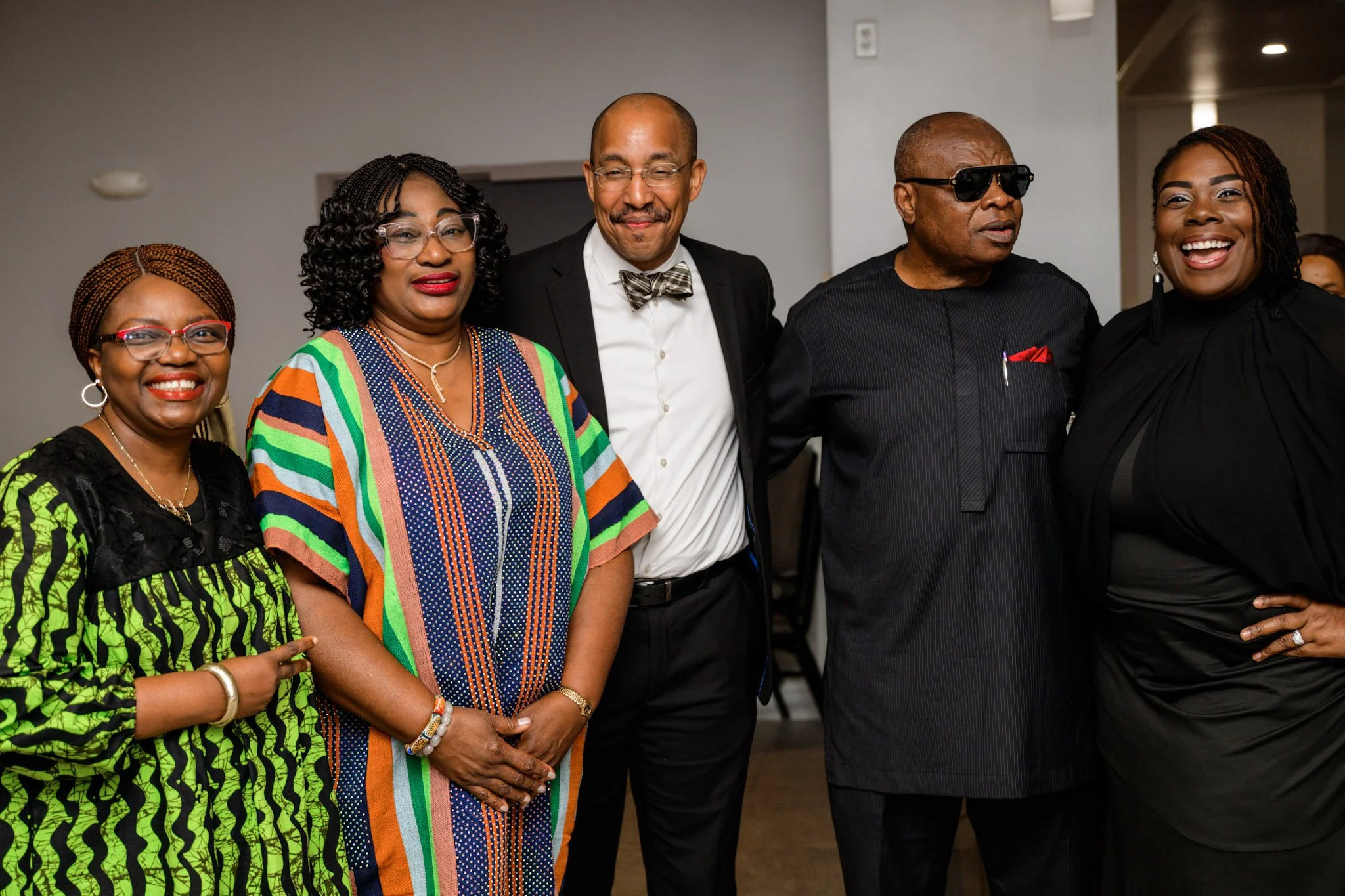
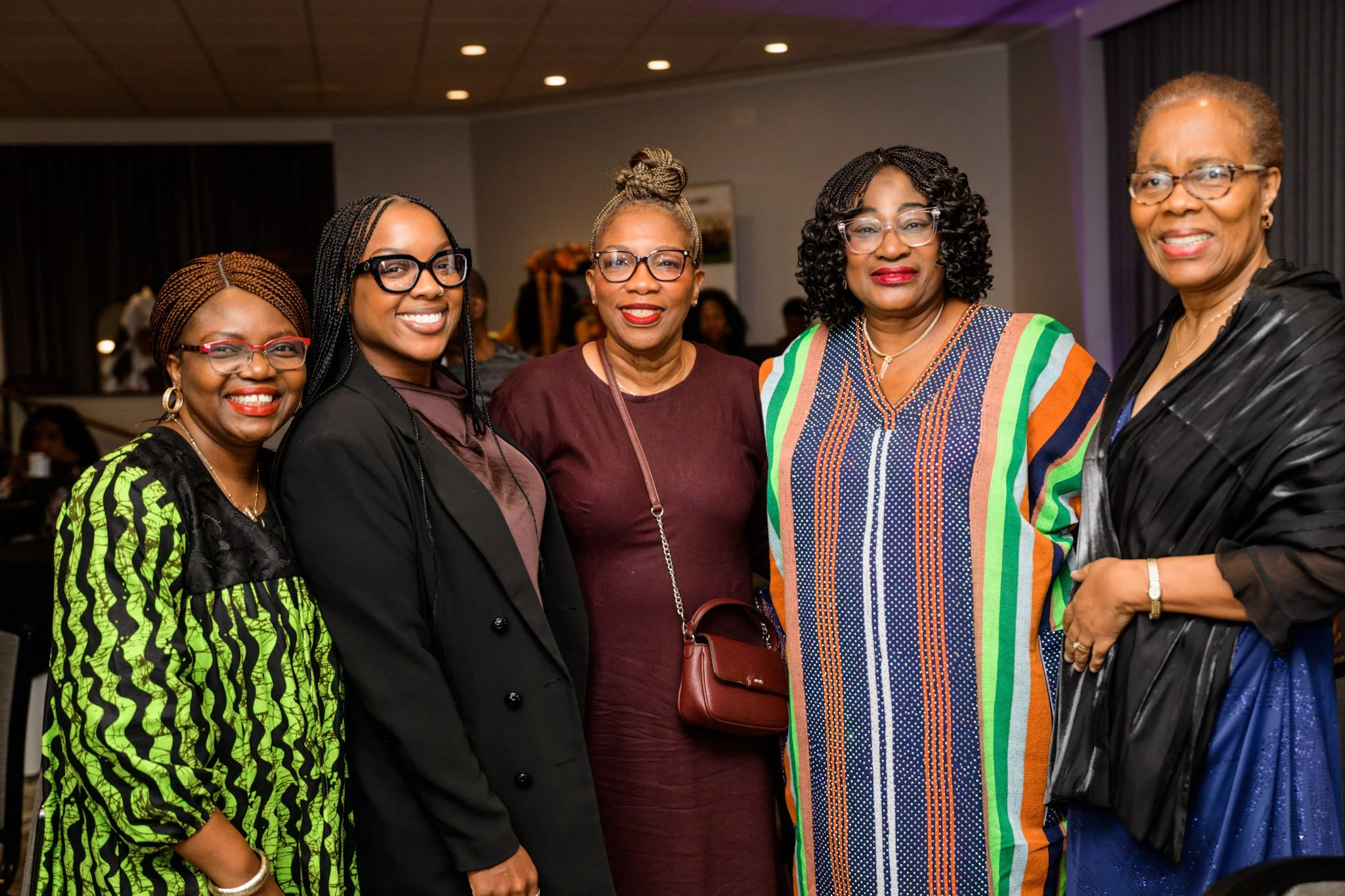
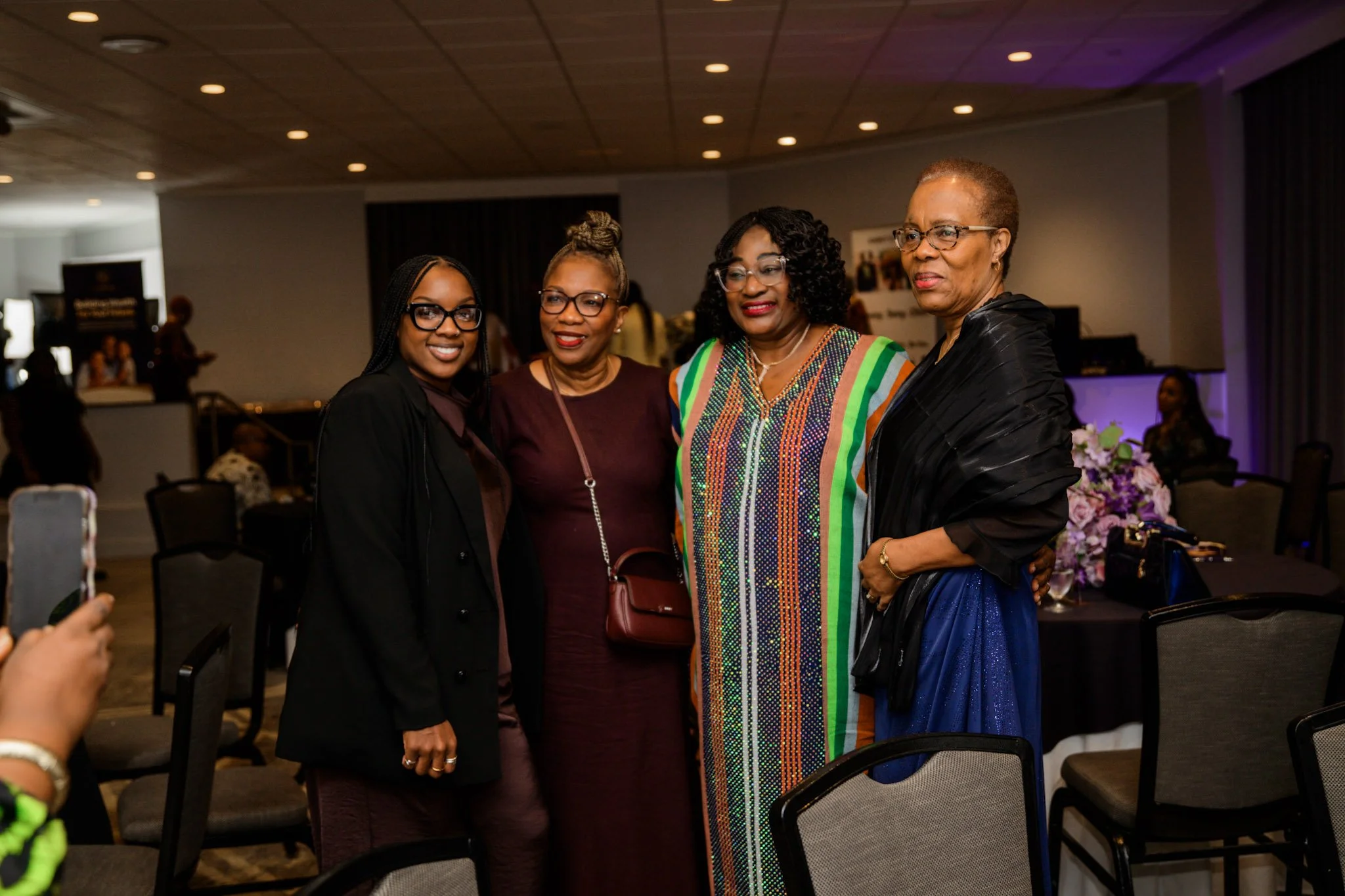
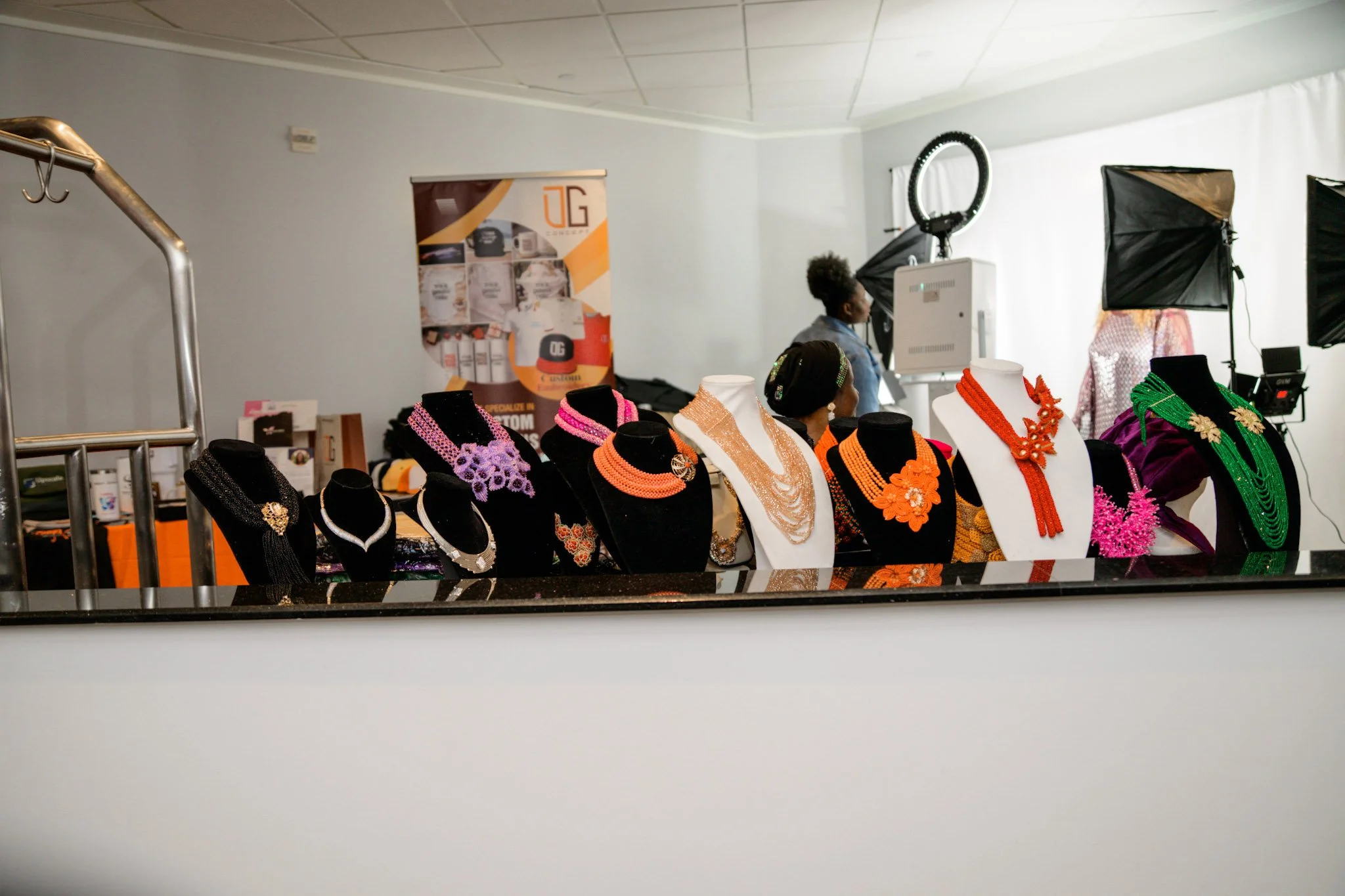
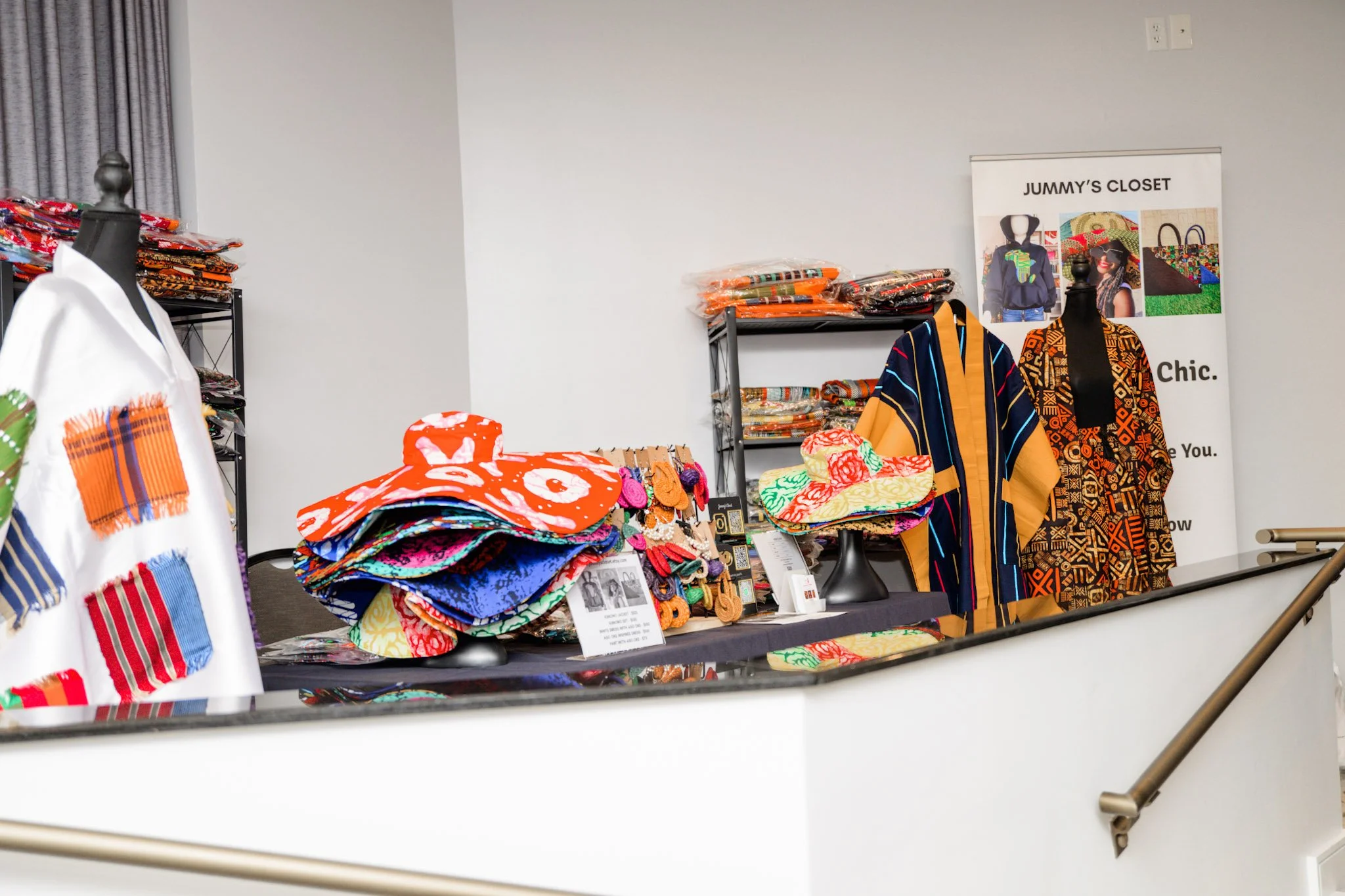
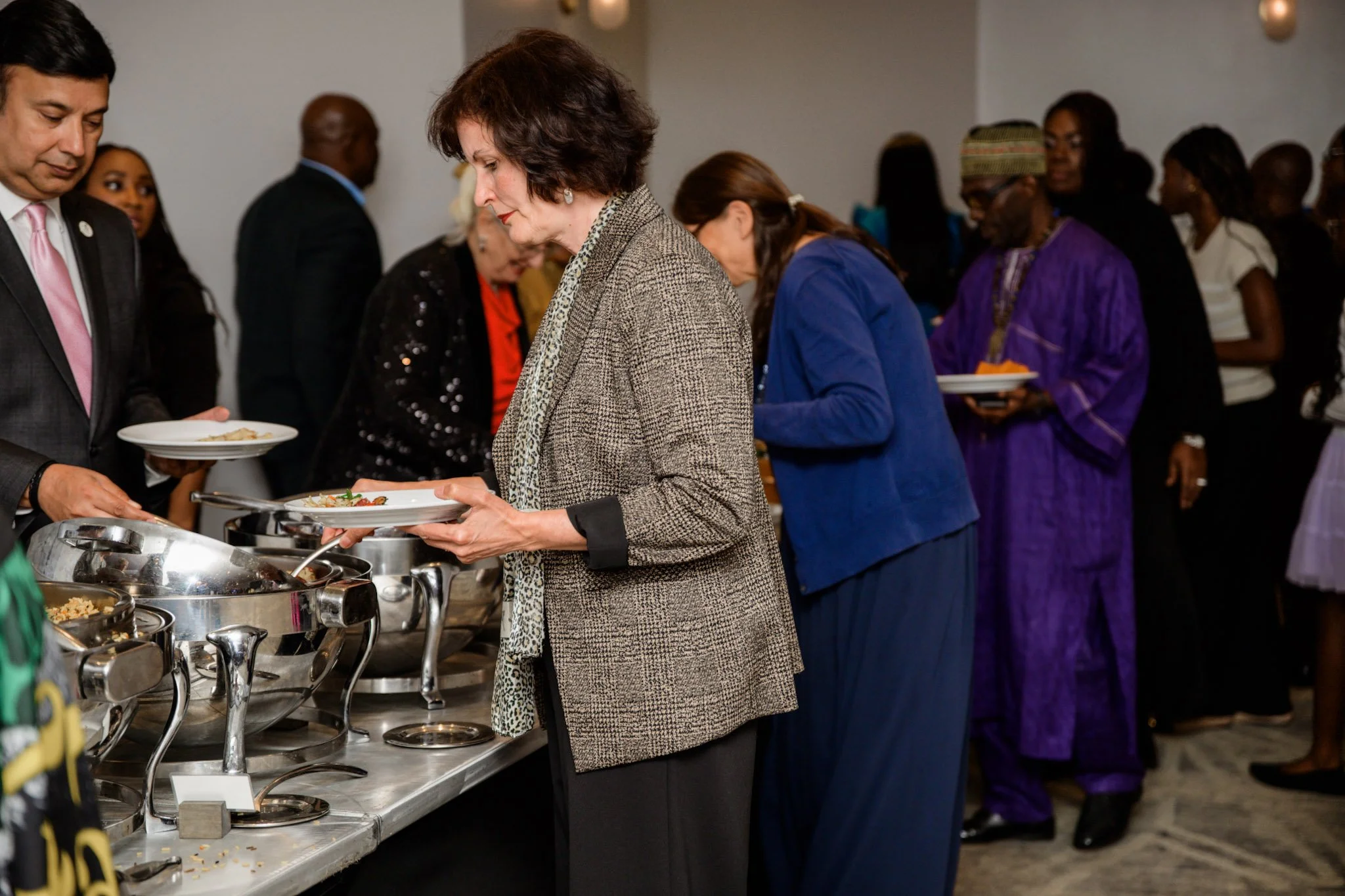
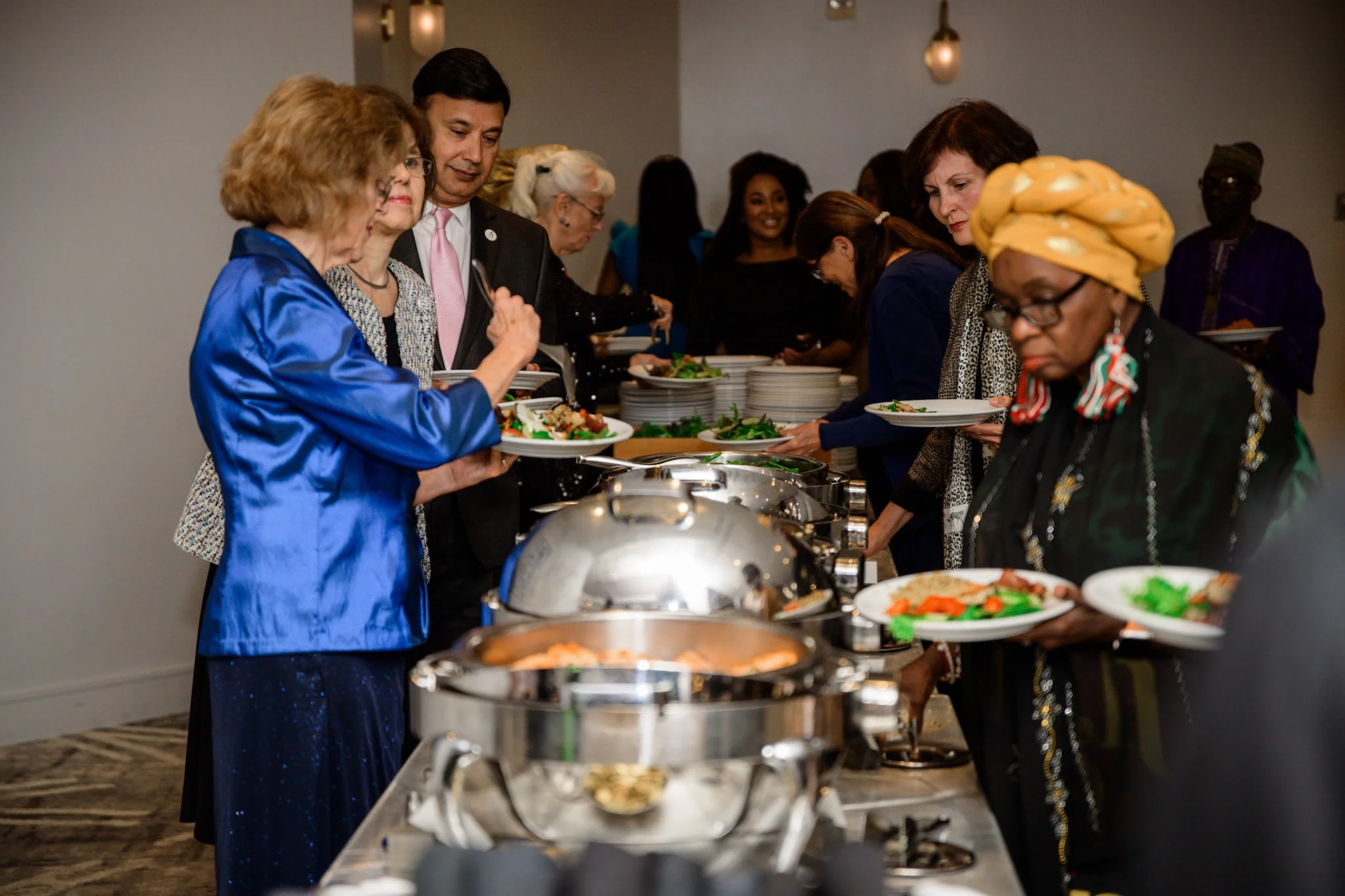
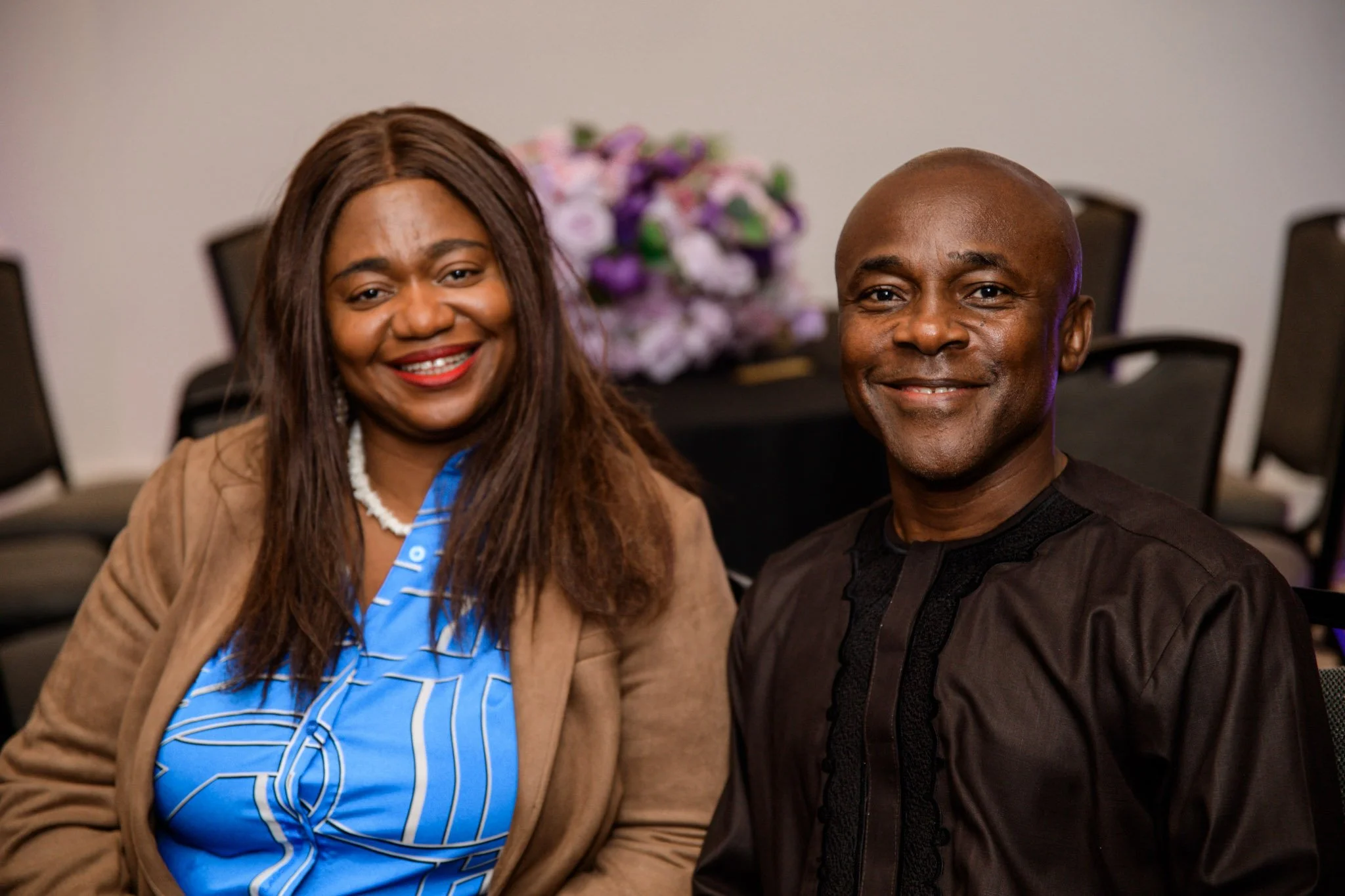
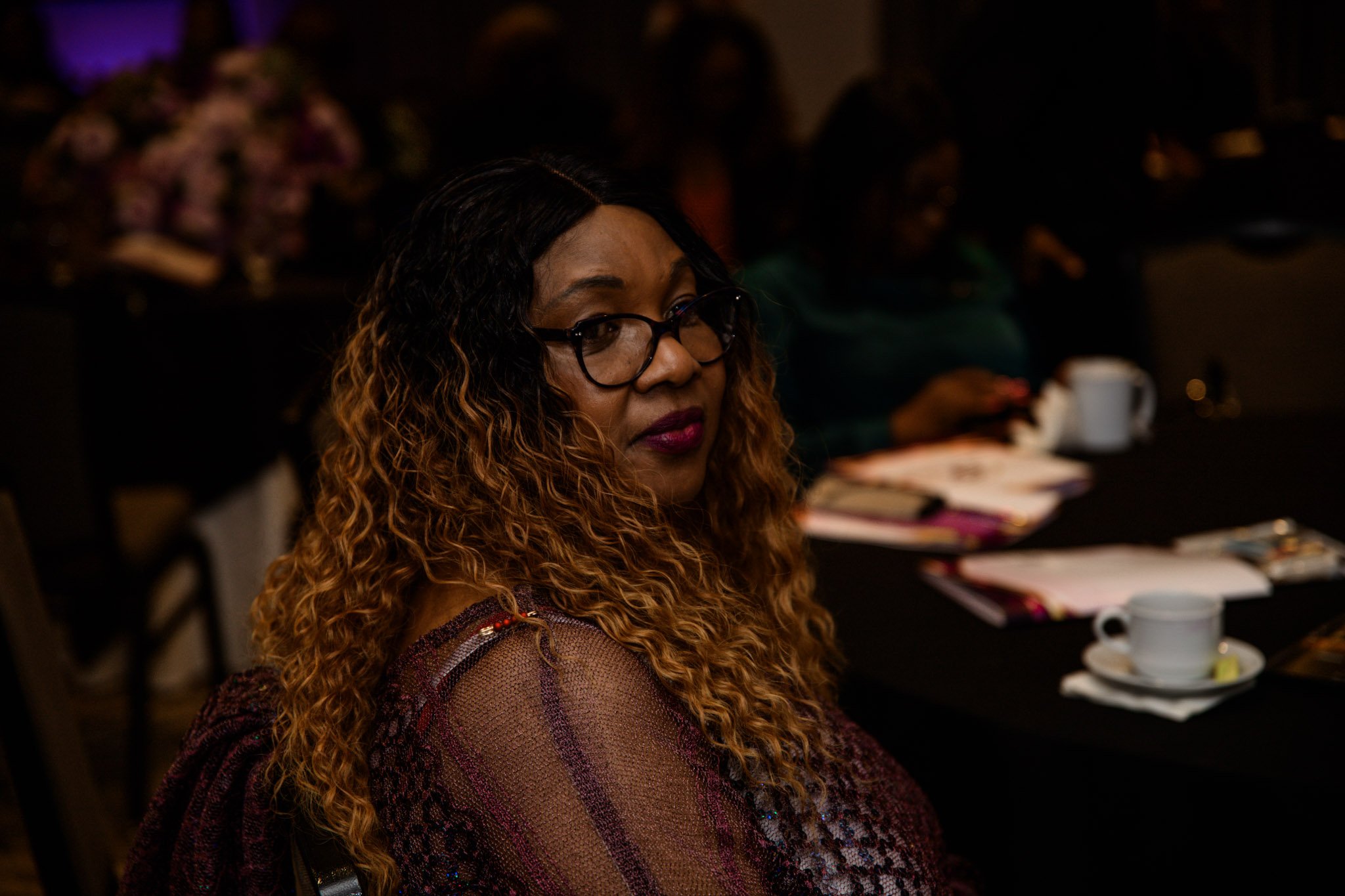
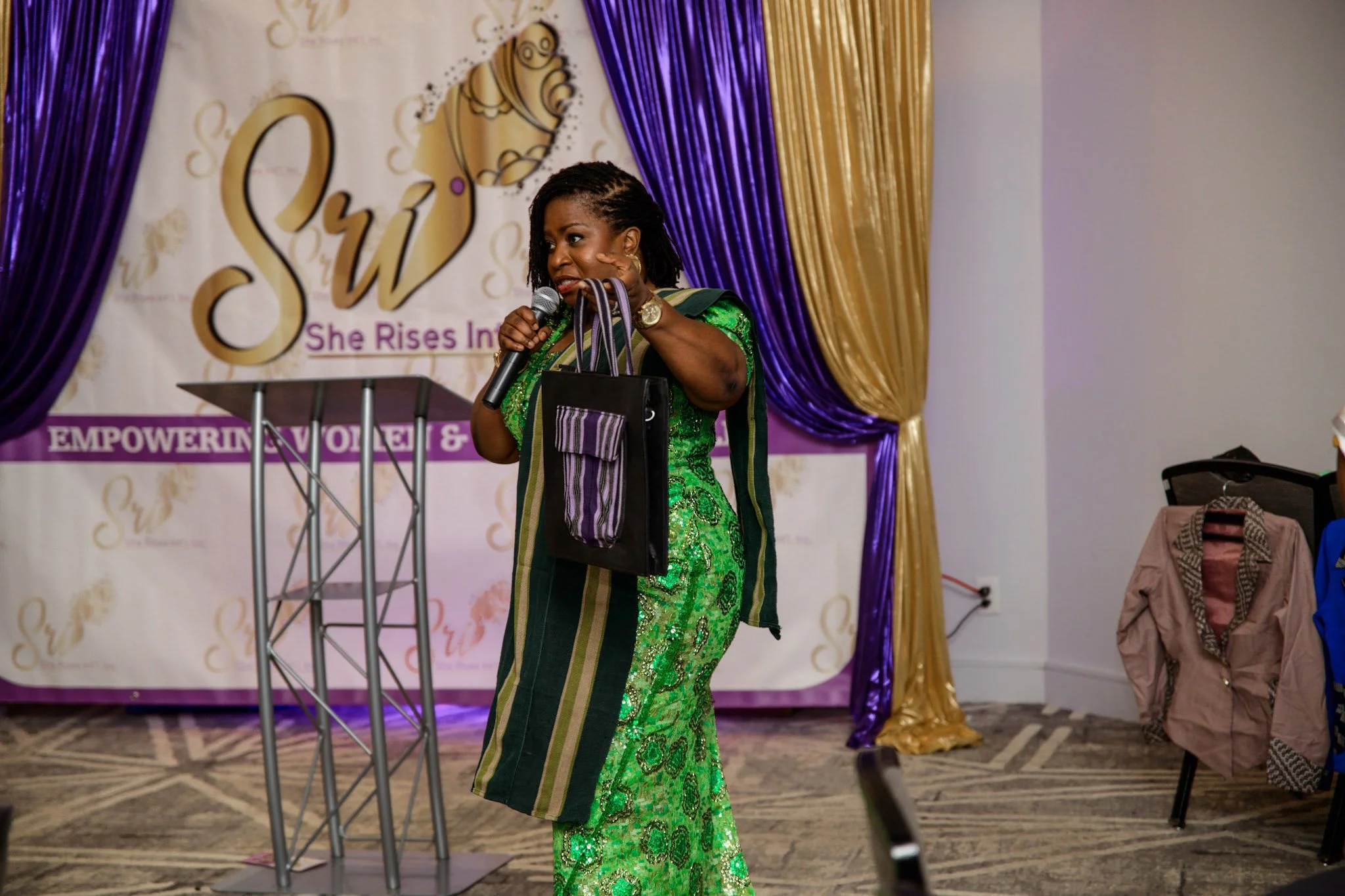
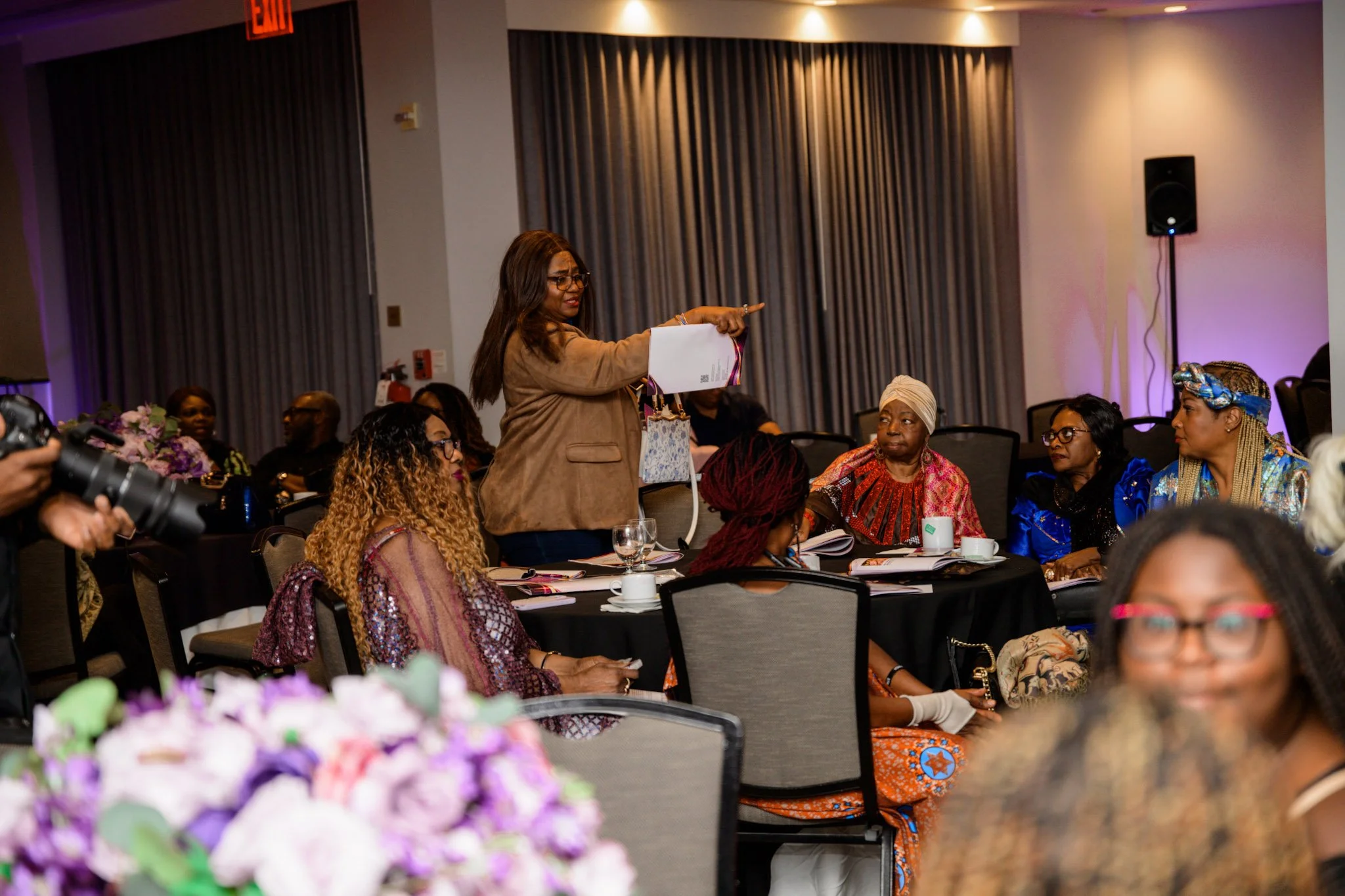
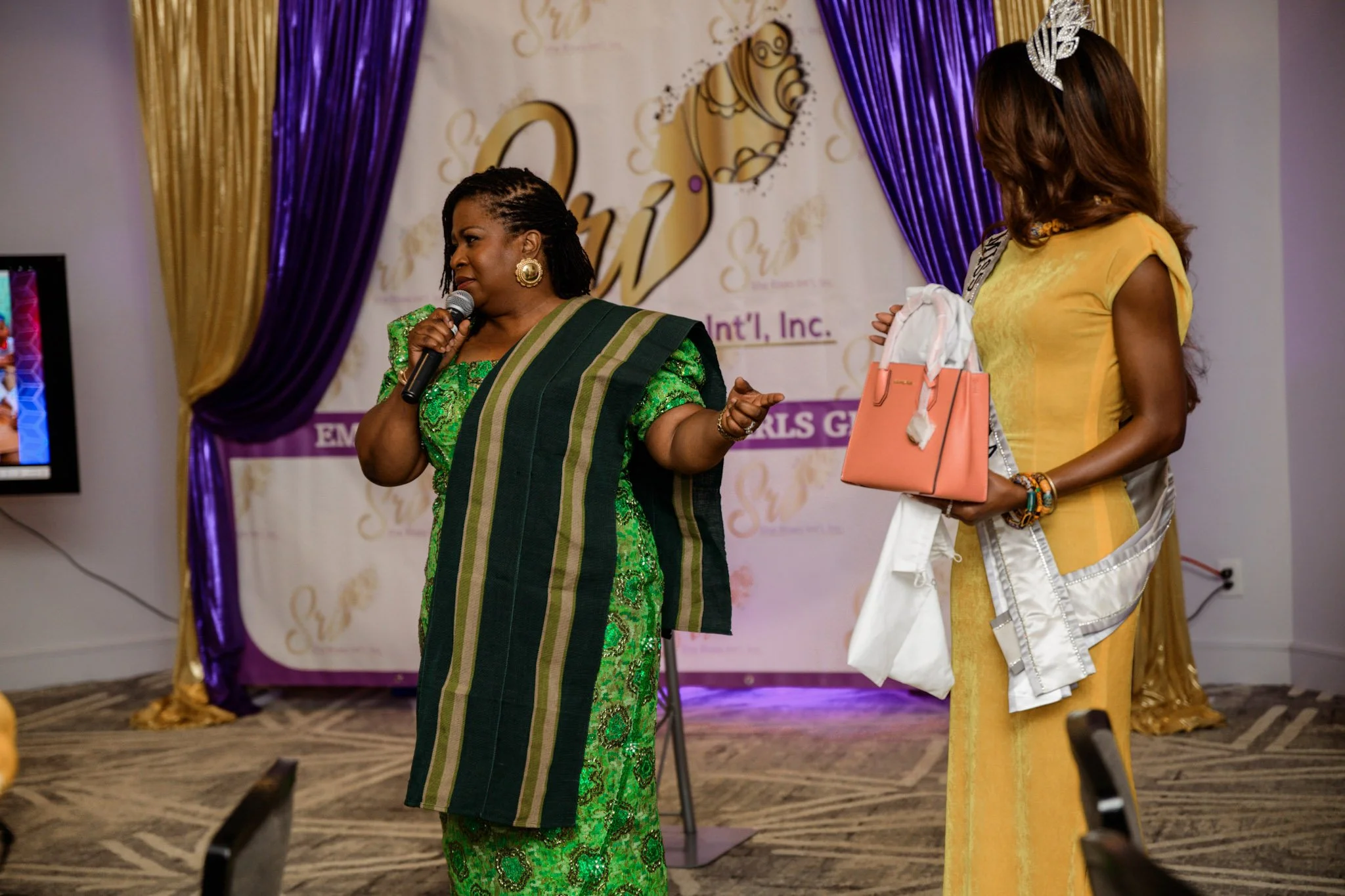
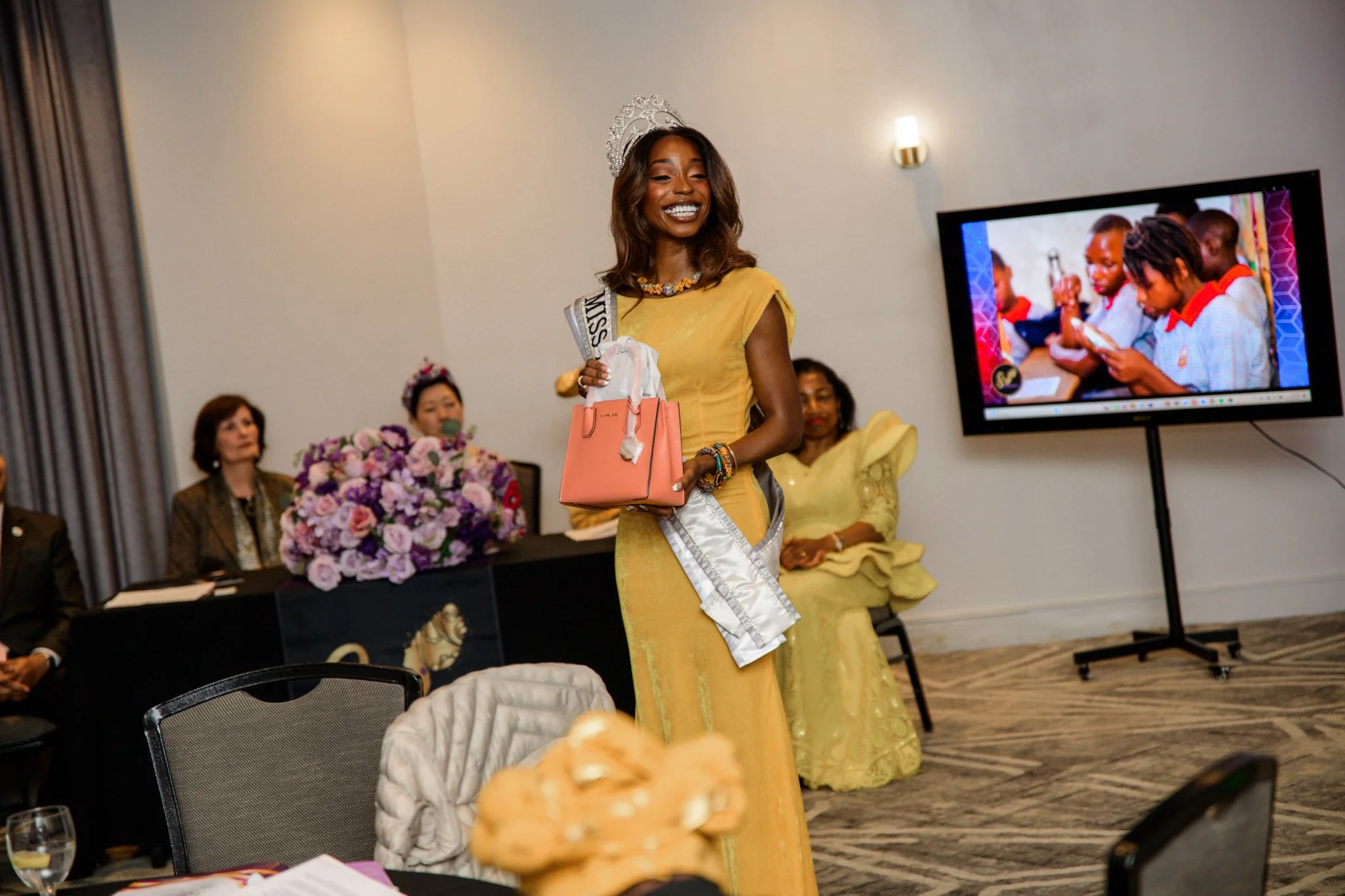
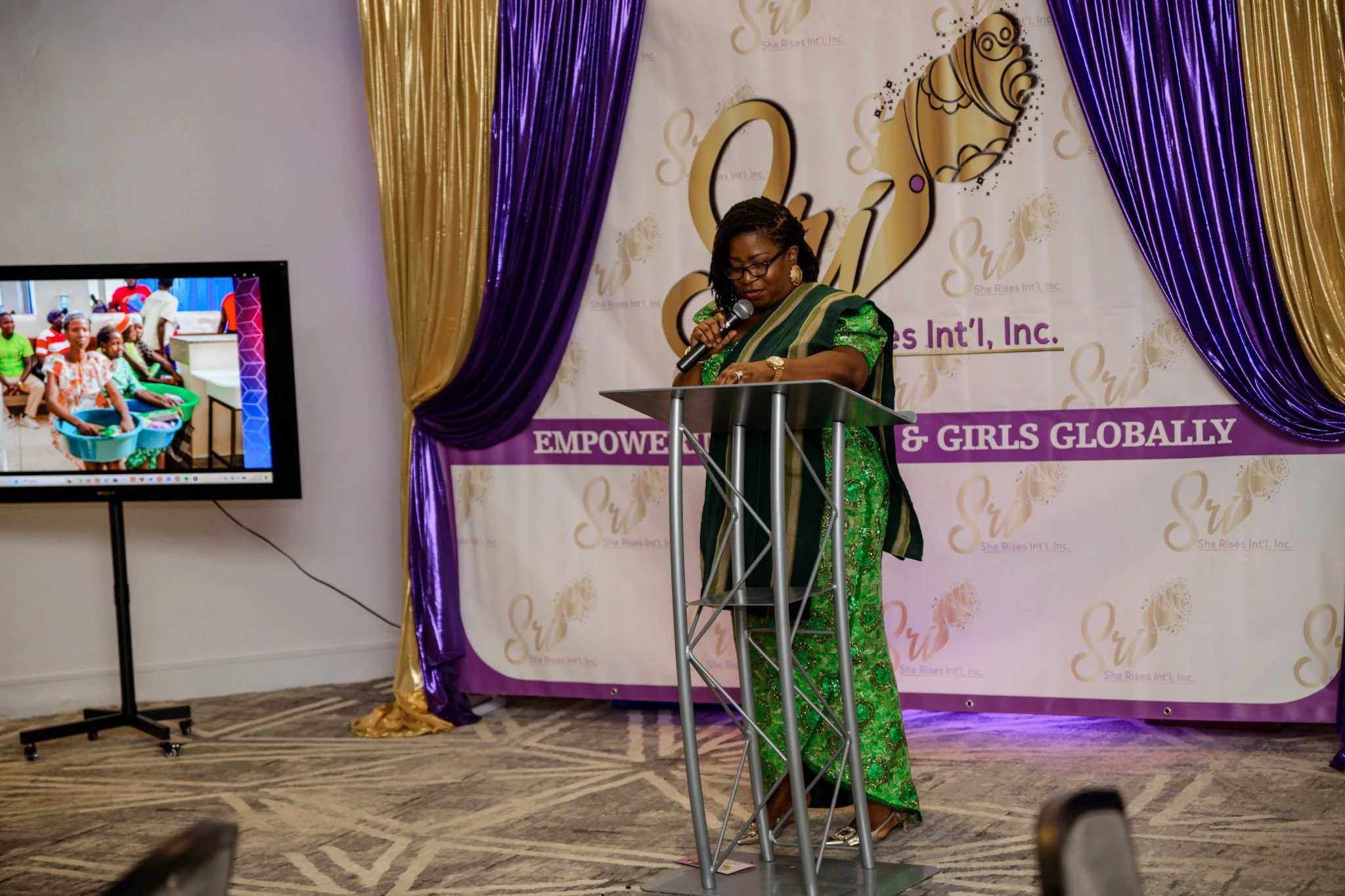
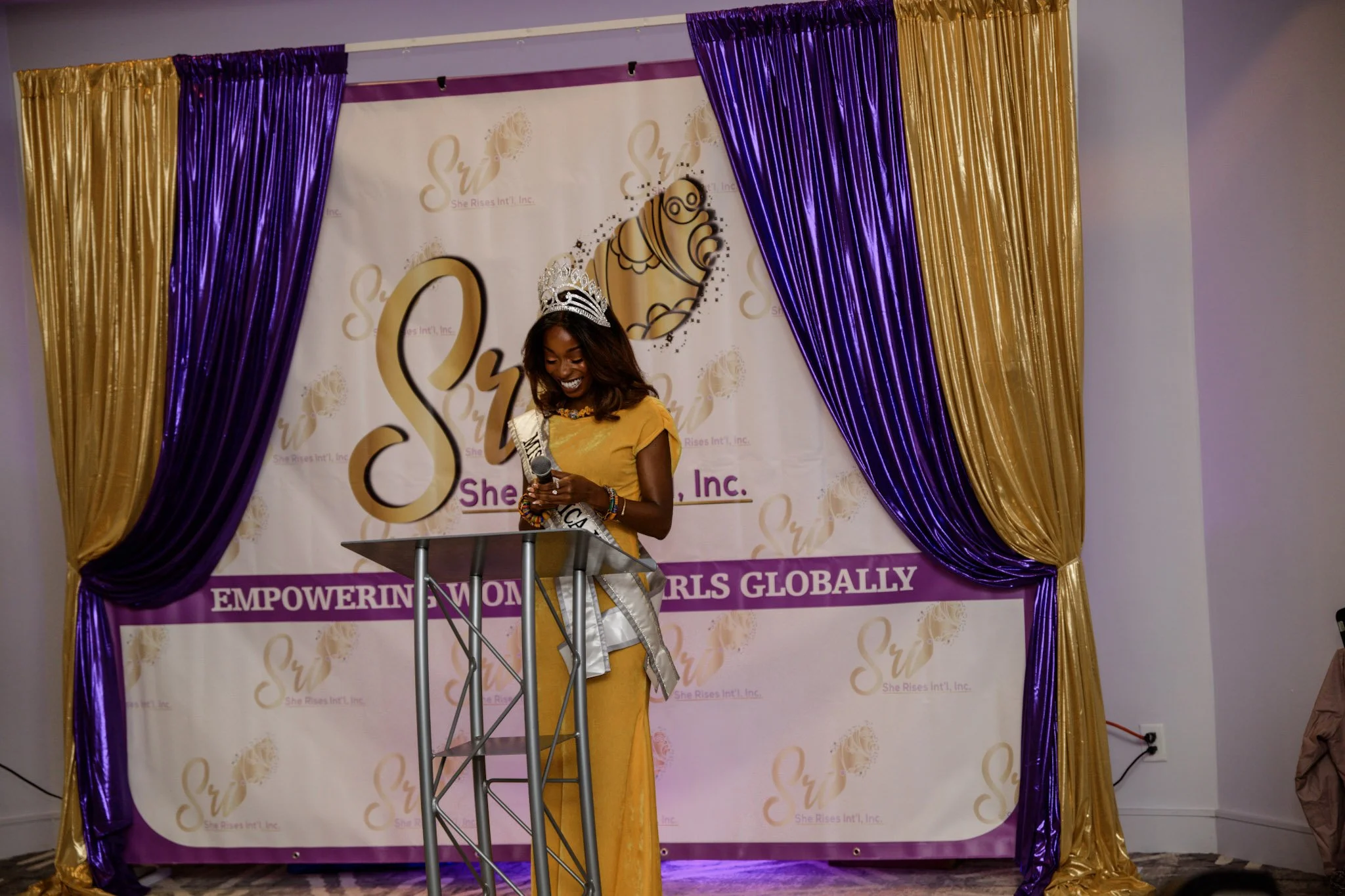
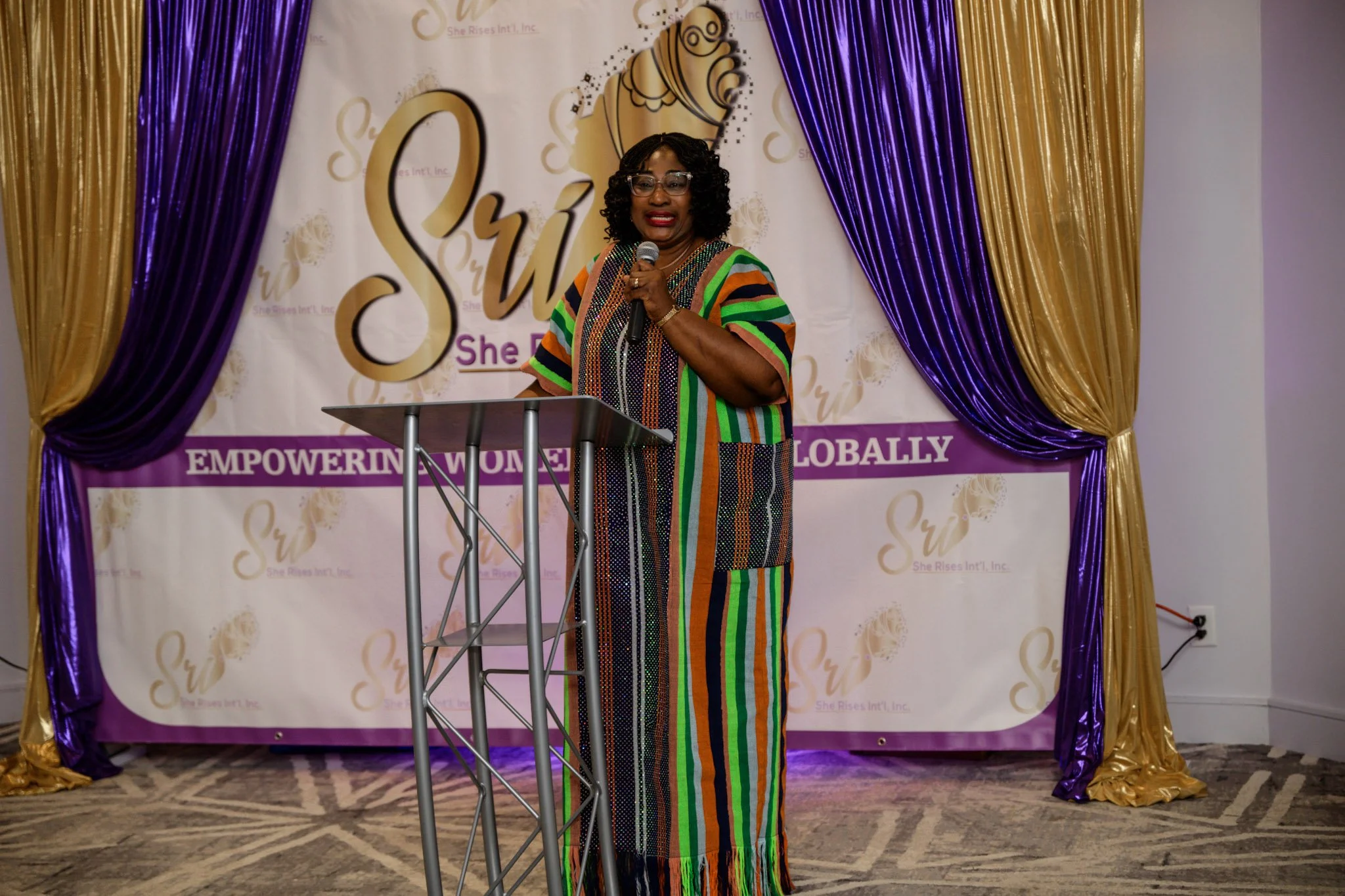
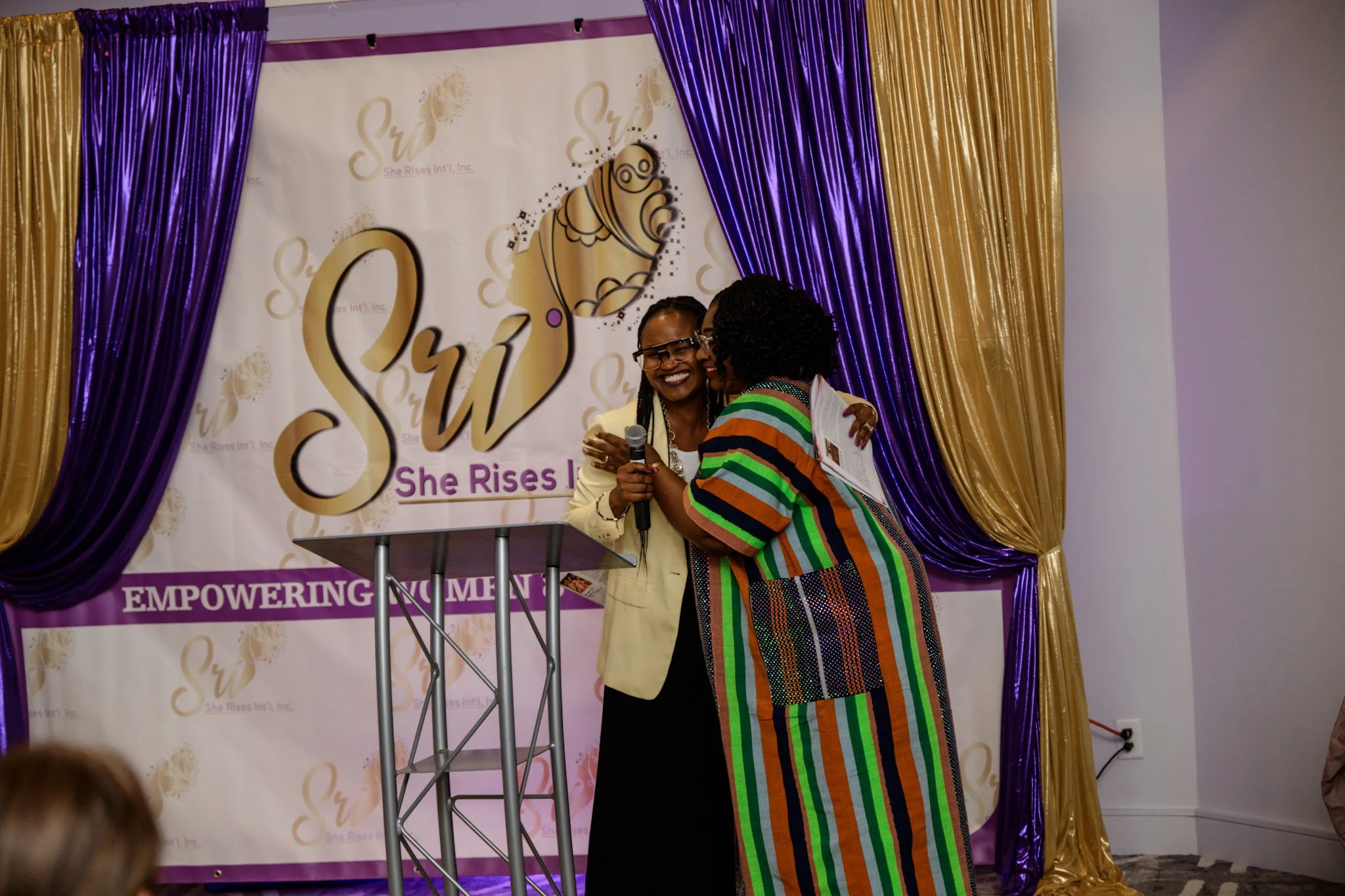
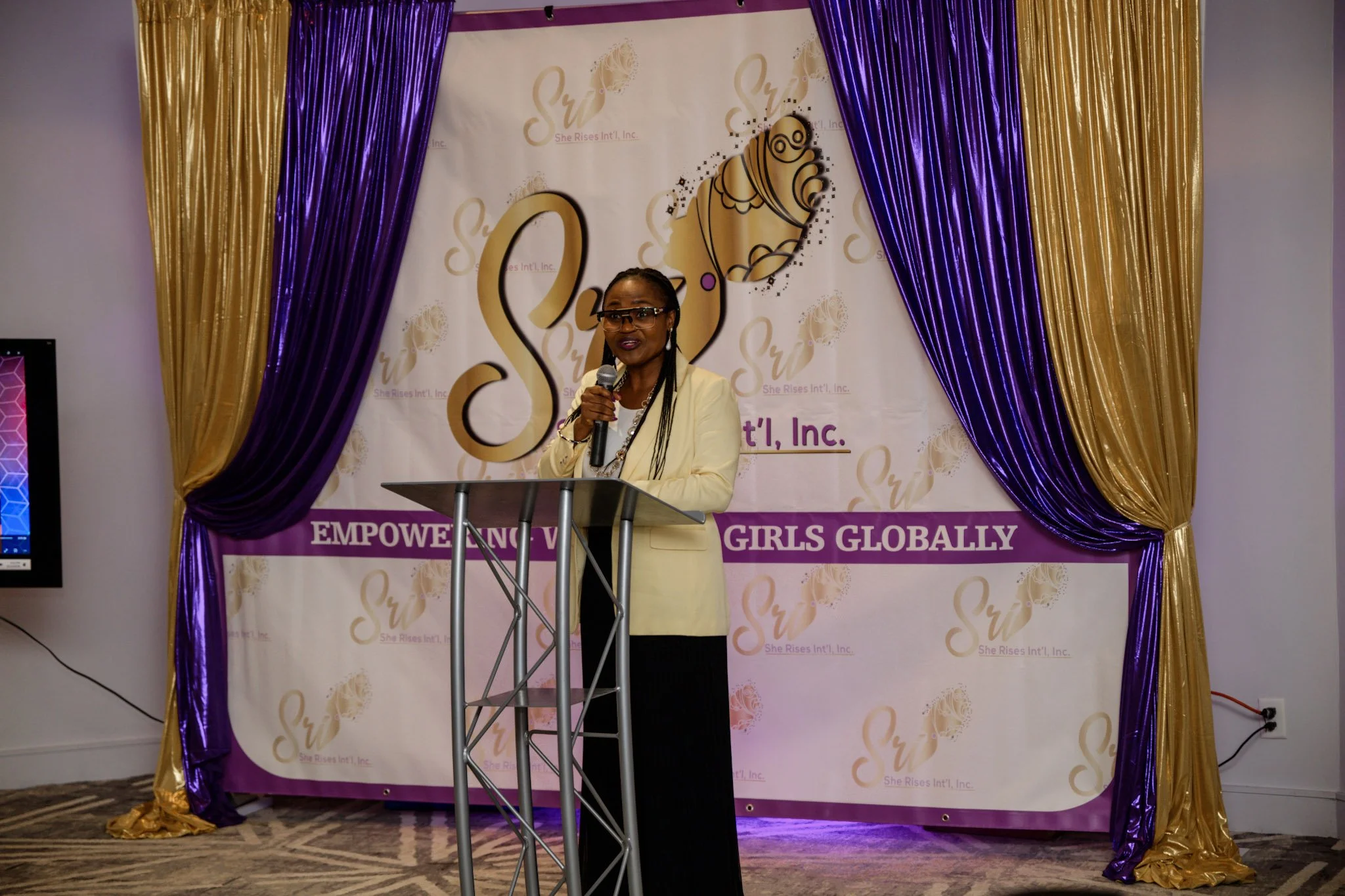
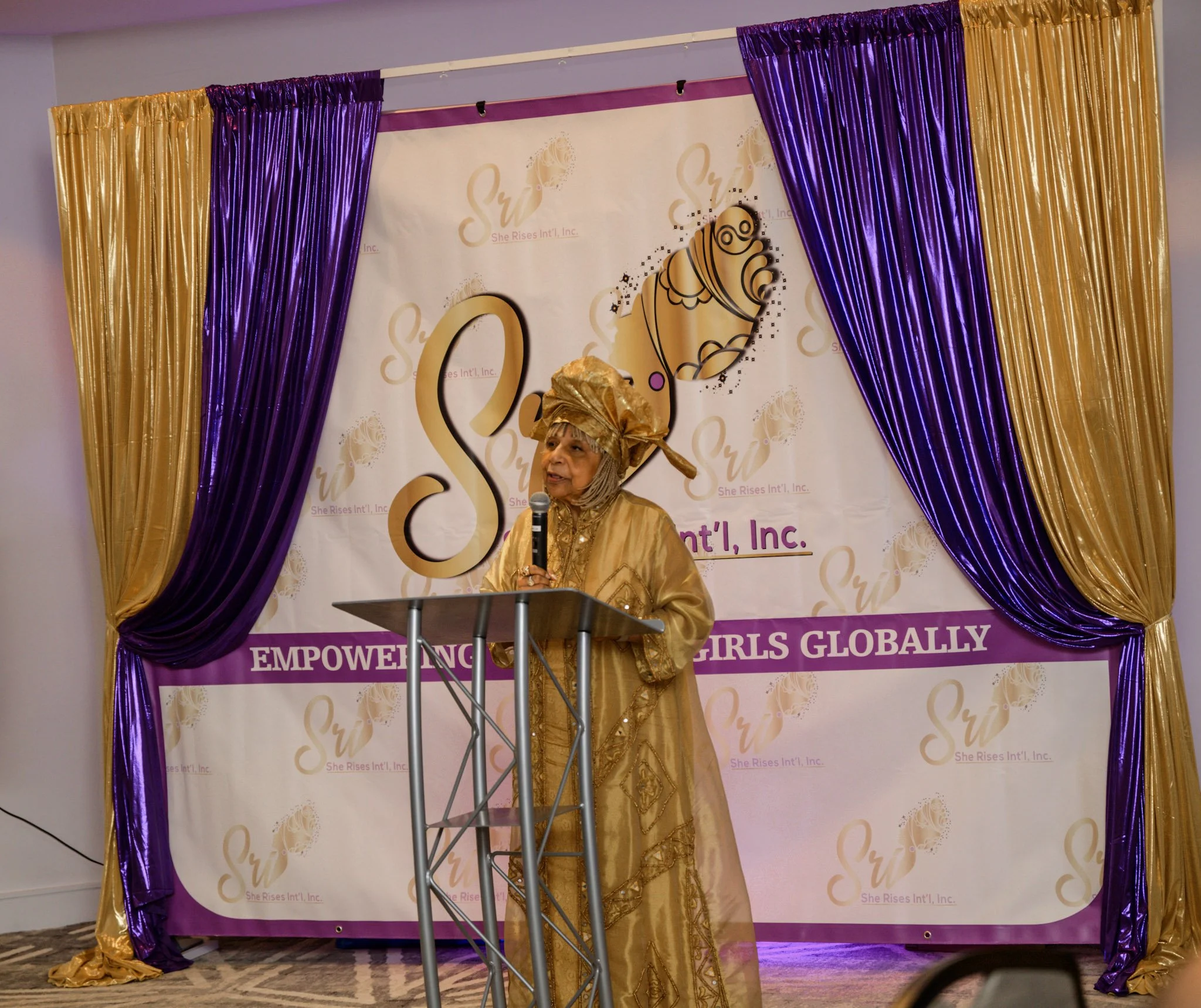
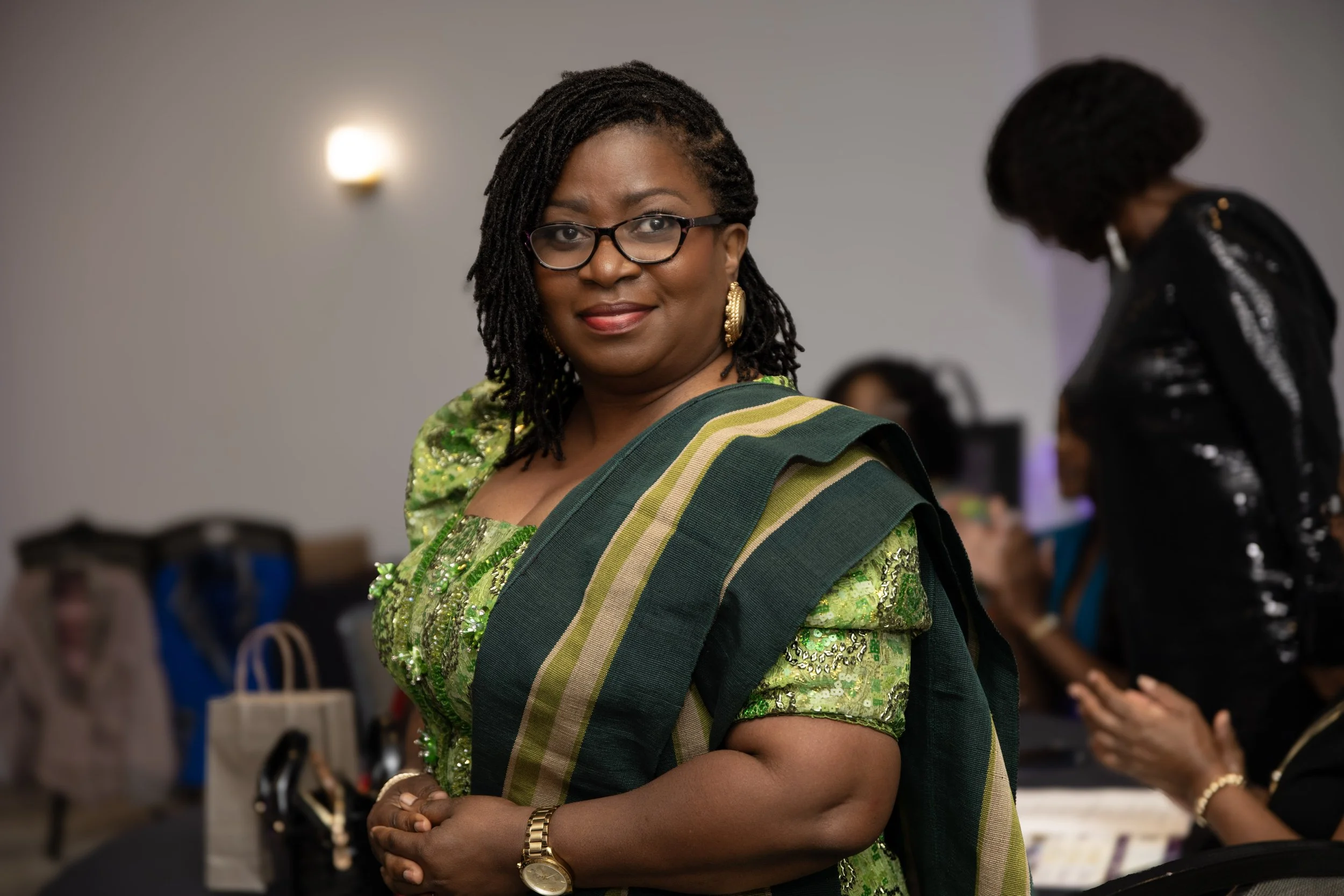
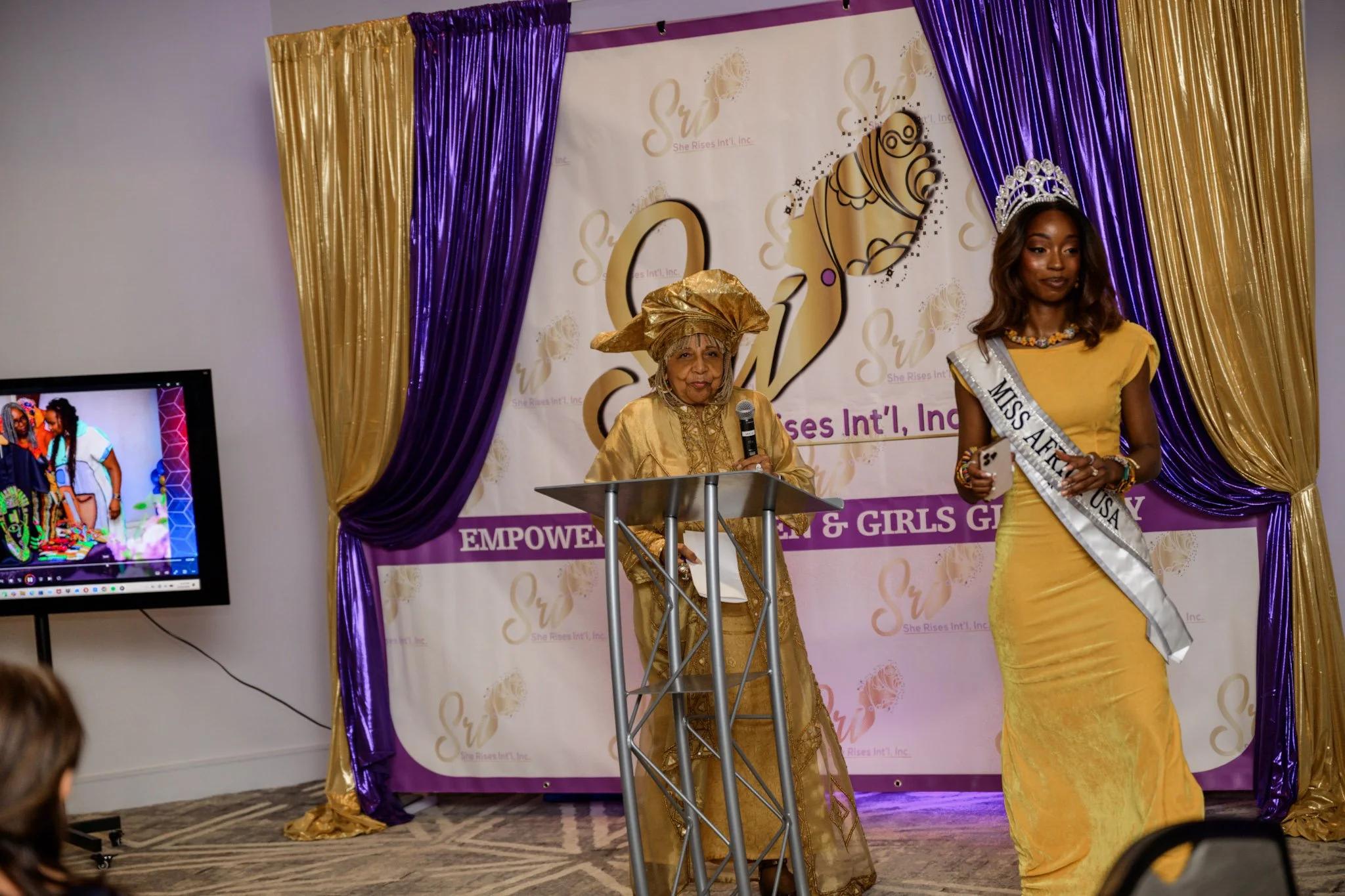
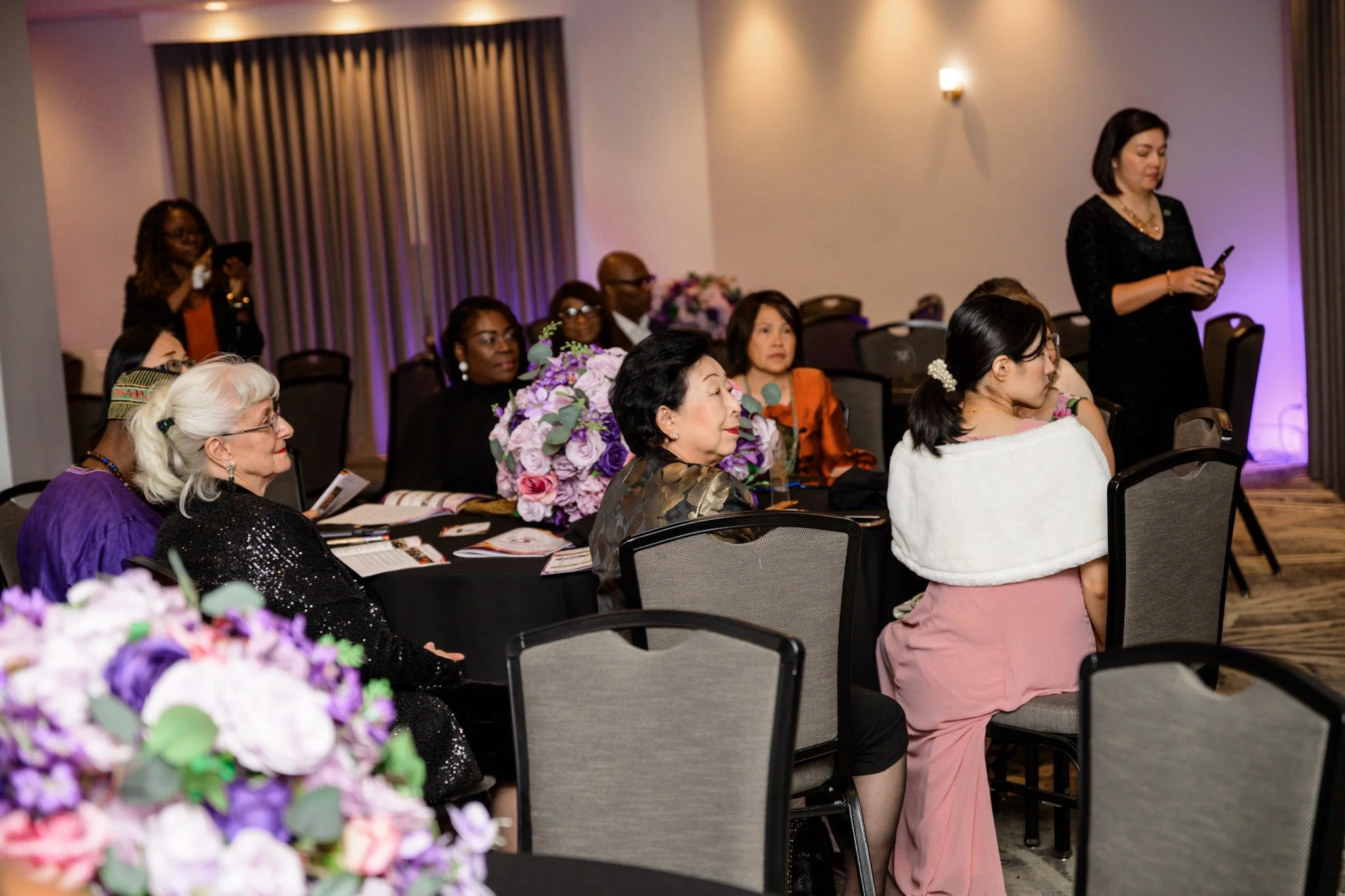
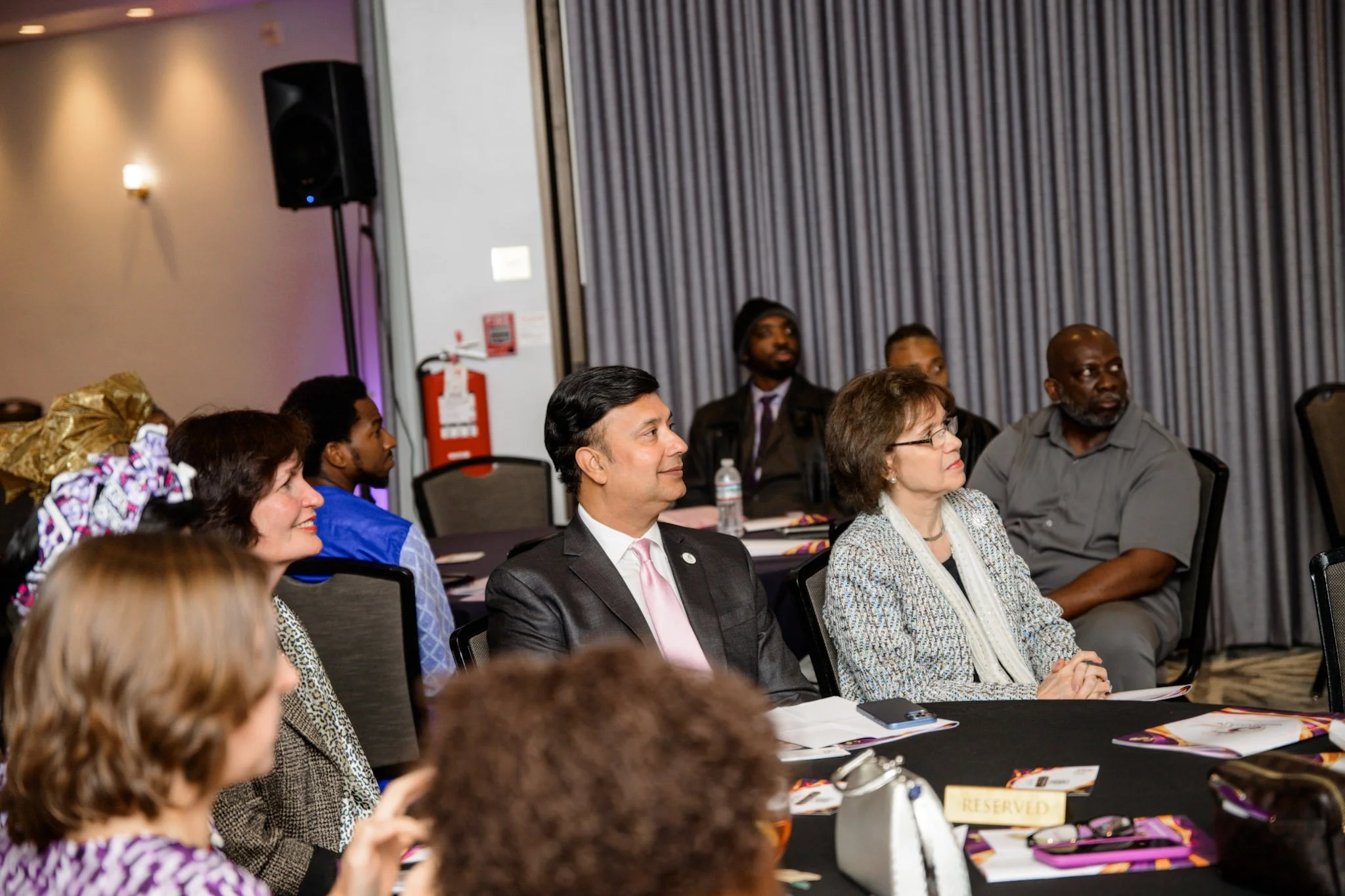
Saturday, October 10 was a special day as WFWP joined in celebration of the 5th Annual Fundraiser & Awards Gala with She Rises International. She Rises engages in female mentoring, advocacy, training, and counseling in Nigeria, Uganda, and the United States. Their programs range from STEM and entrepreneurship programs for teen girls, counseling workshops for domestic violence, suicide prevention, and human trafficking, and programs to empower women in leadership, self-awareness, and entrepreneurship. She Rises also collects and distributes thousands of feminine products and maternal care kits every year. It was a radiant program as women and many supportive gentlemen celebrated another year of amazing success of the organization and their impact.
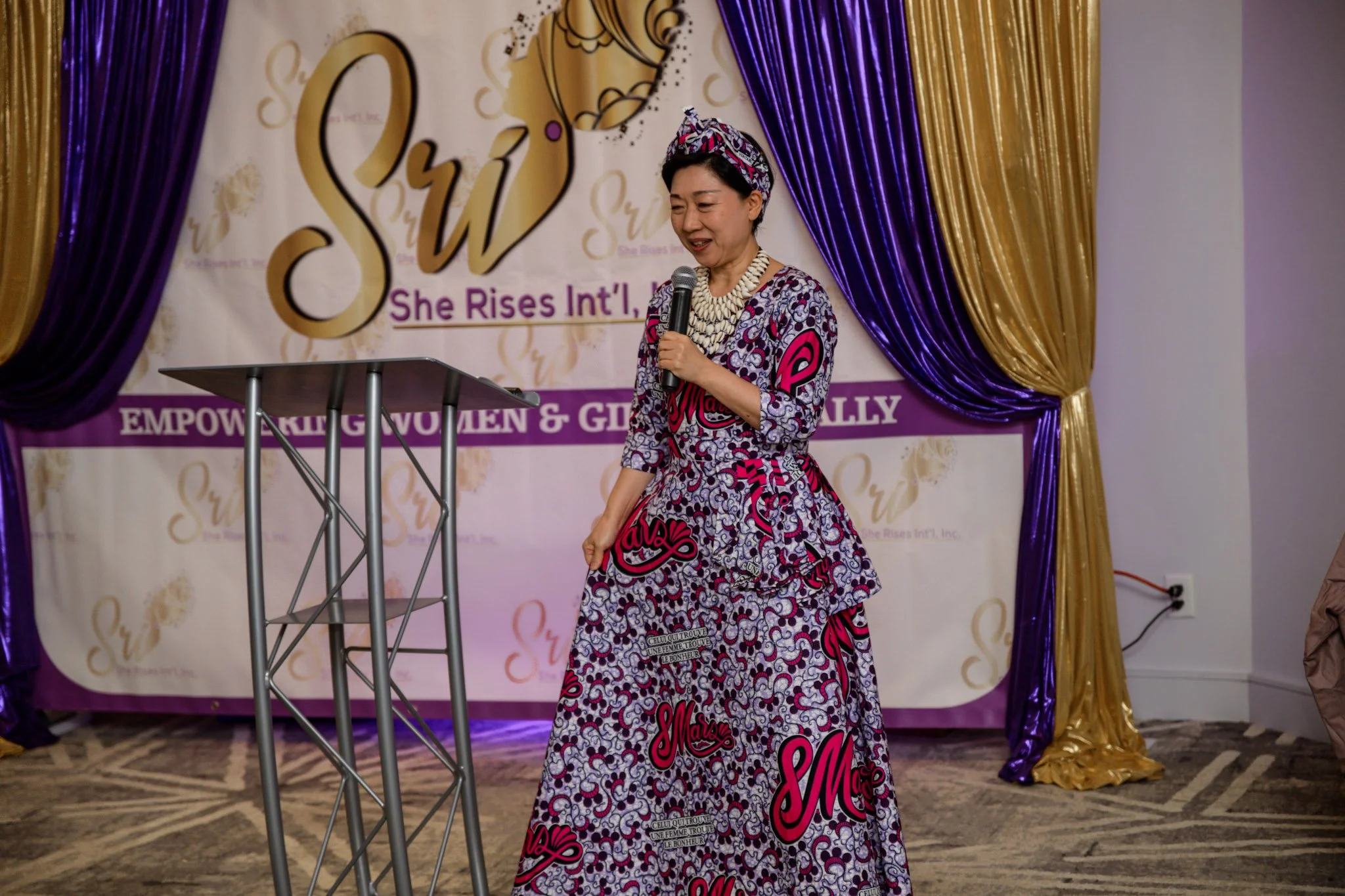
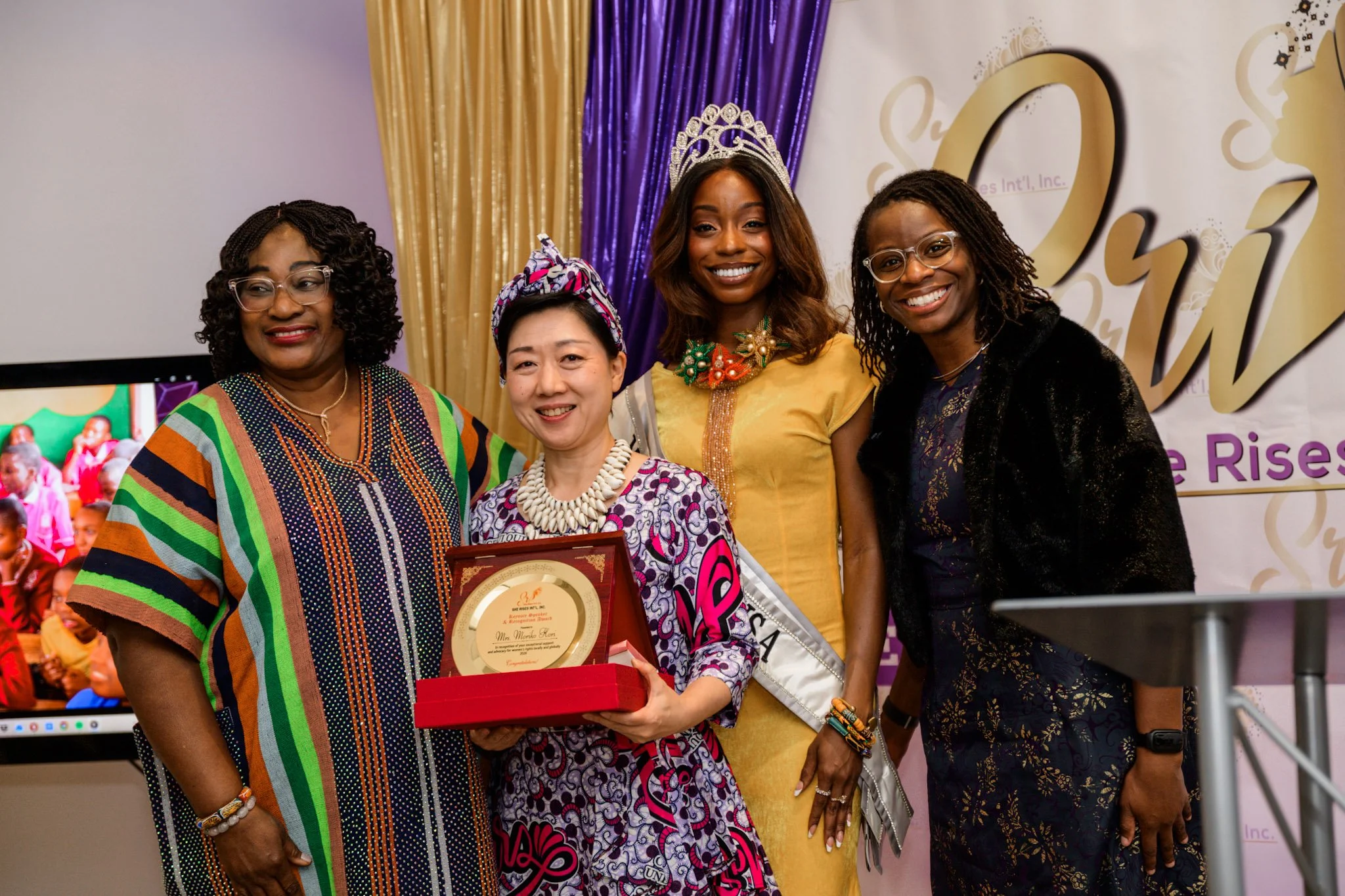
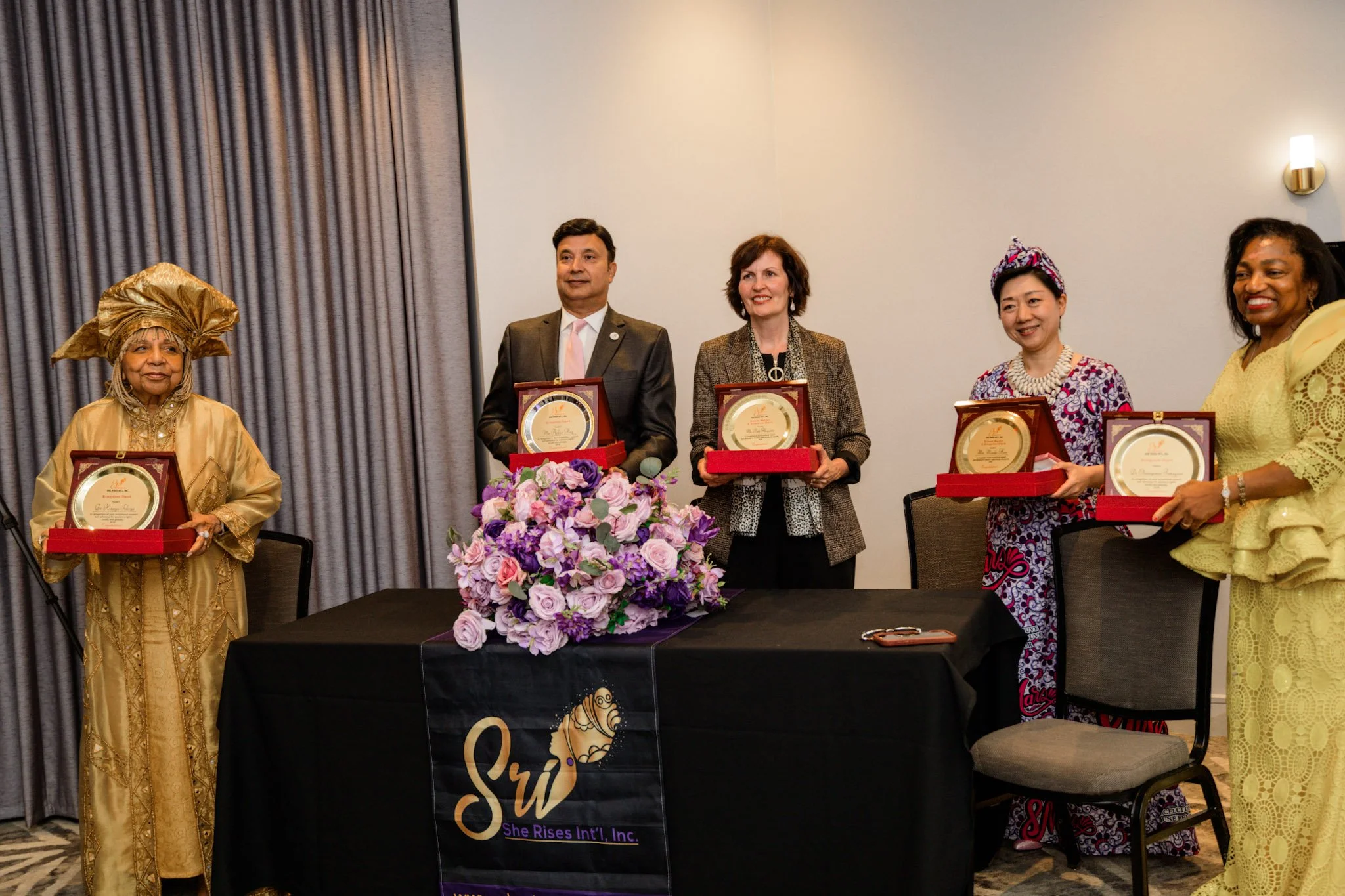
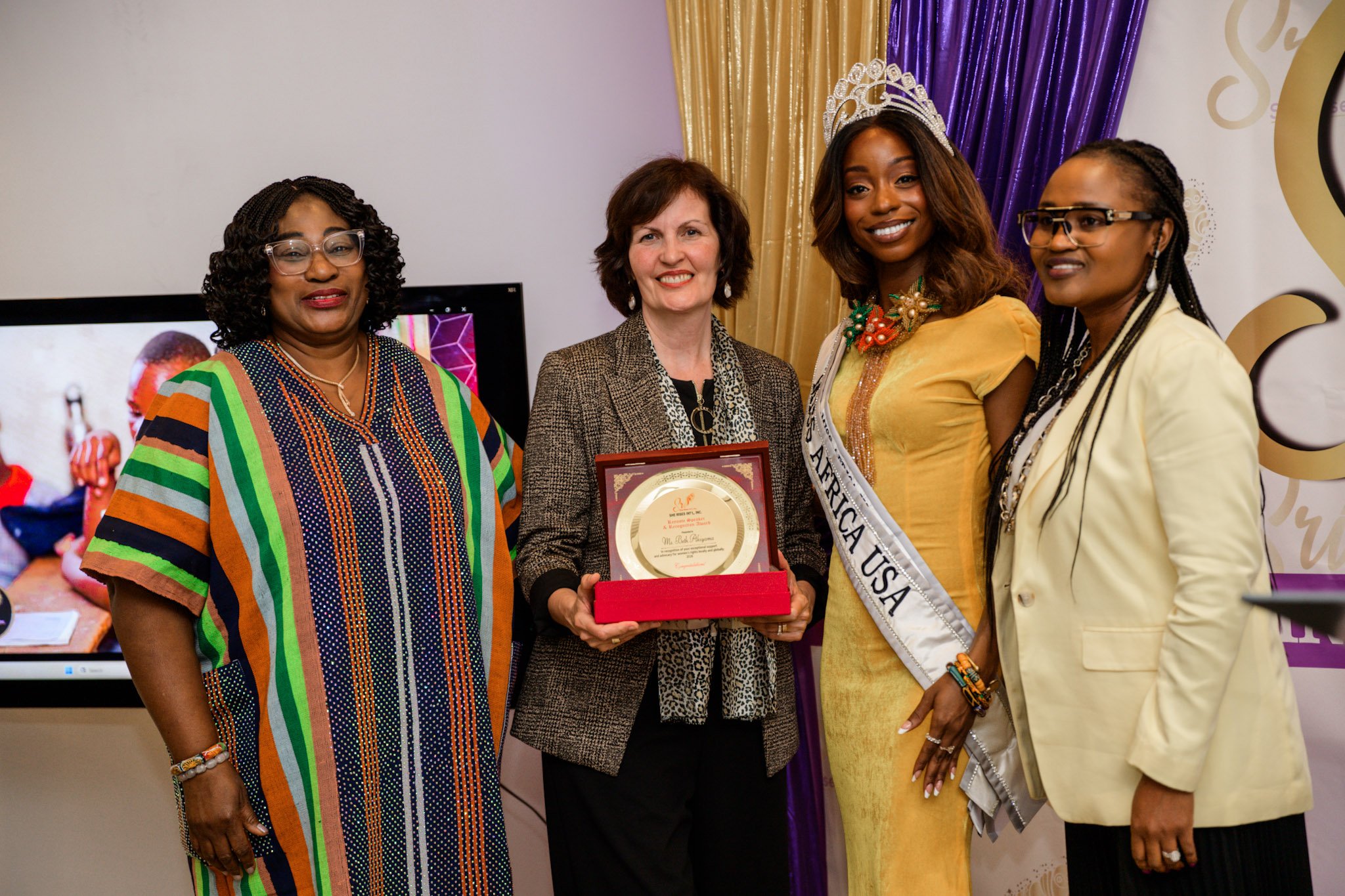
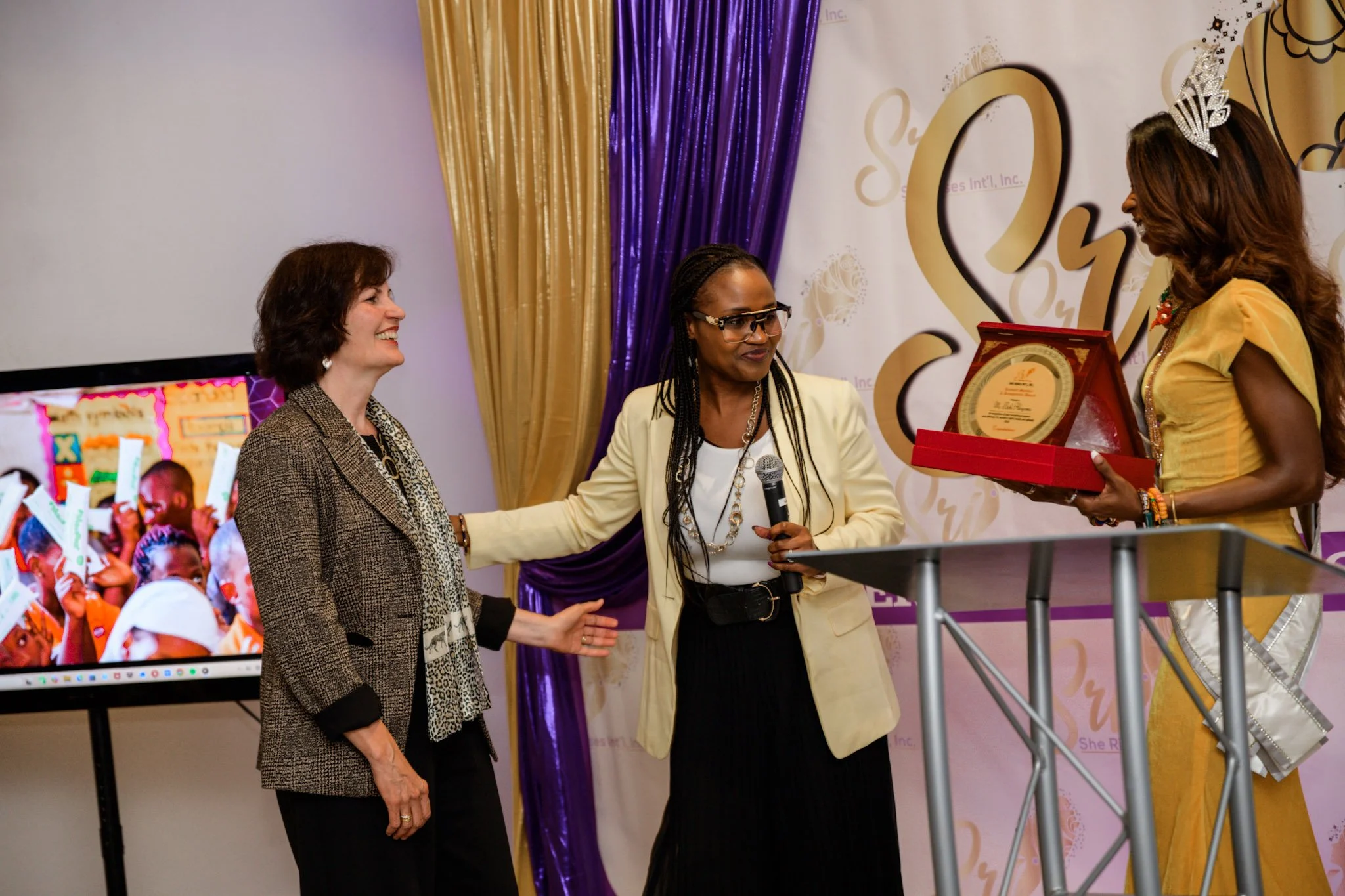
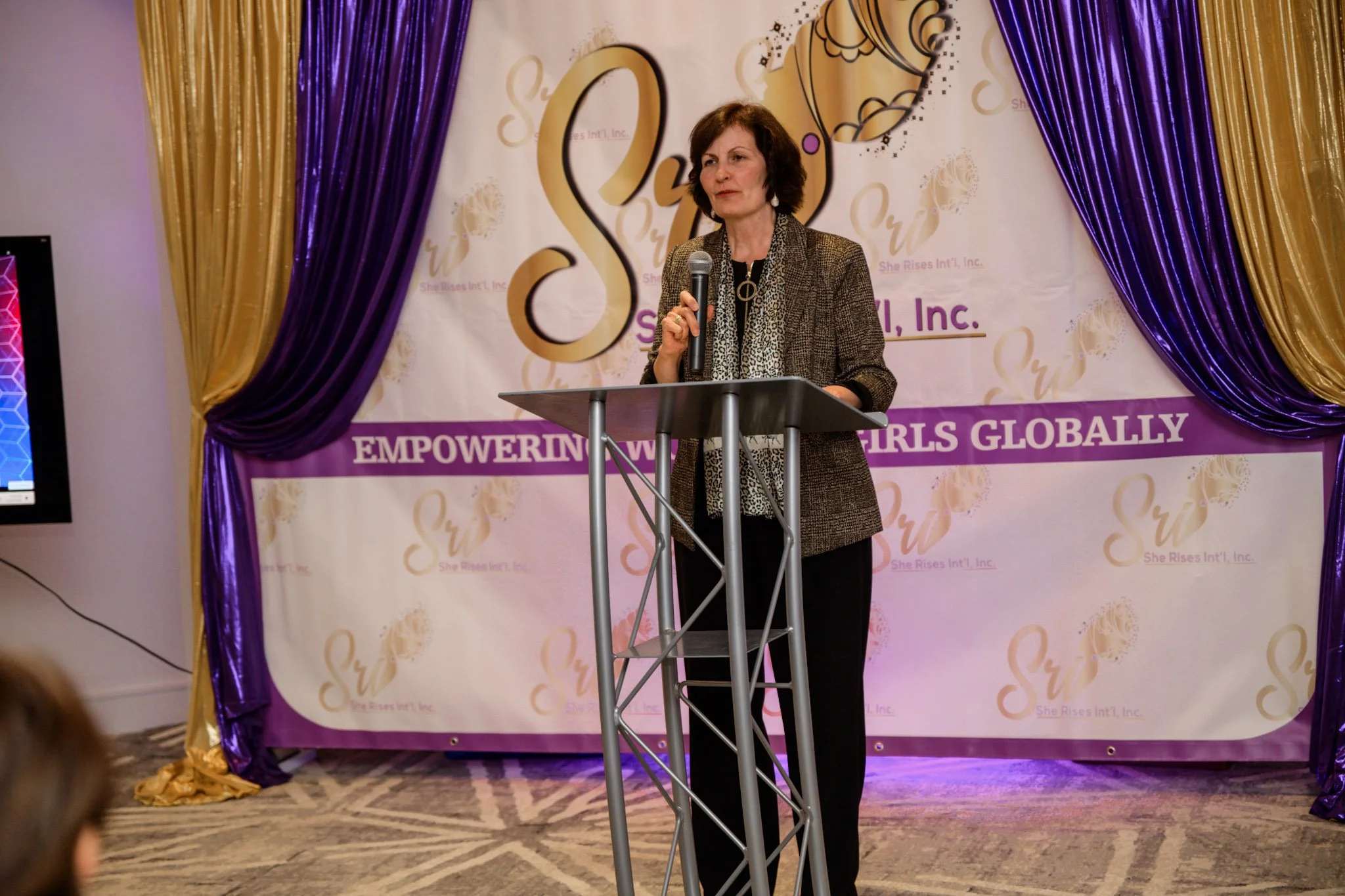
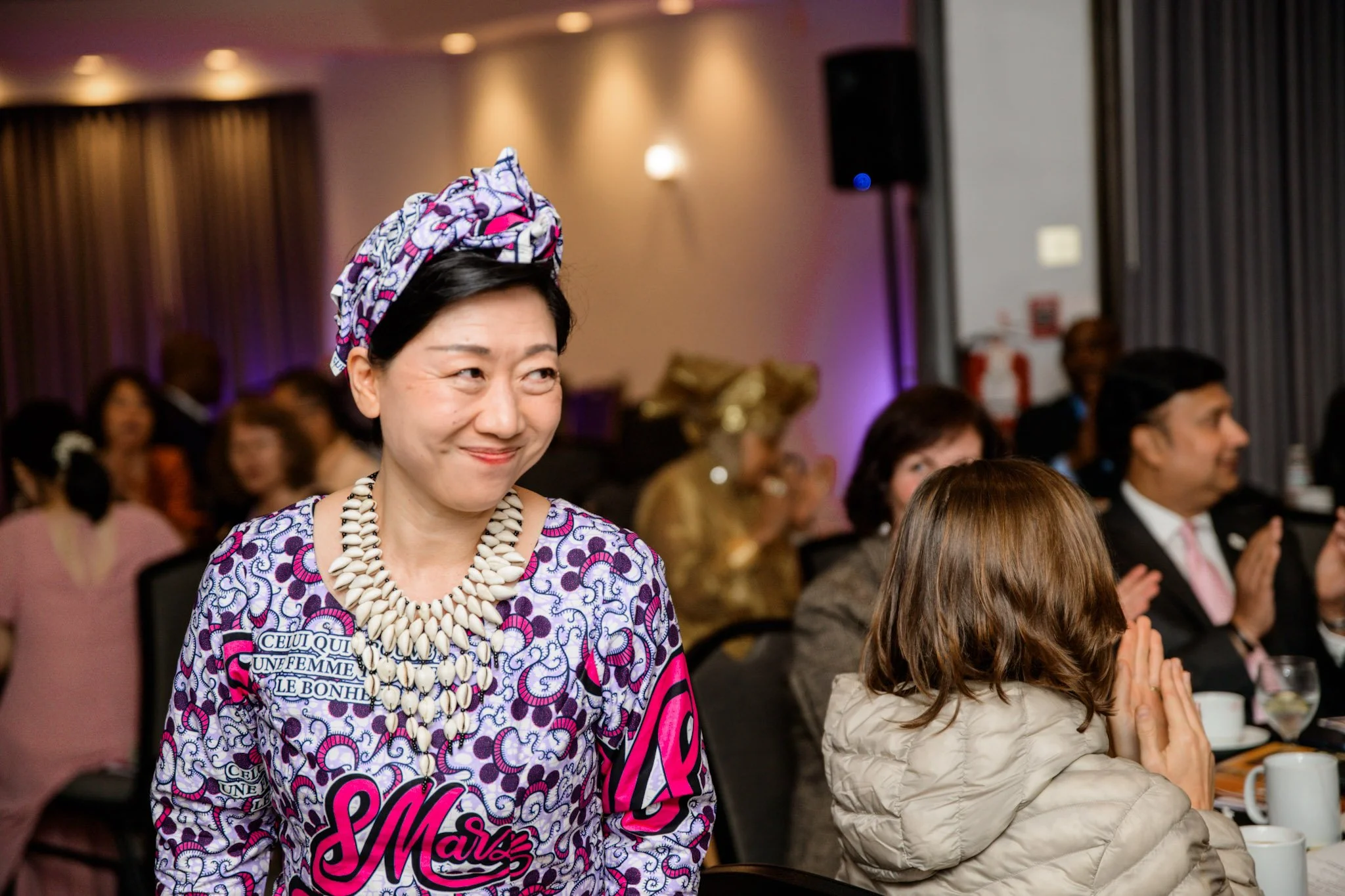
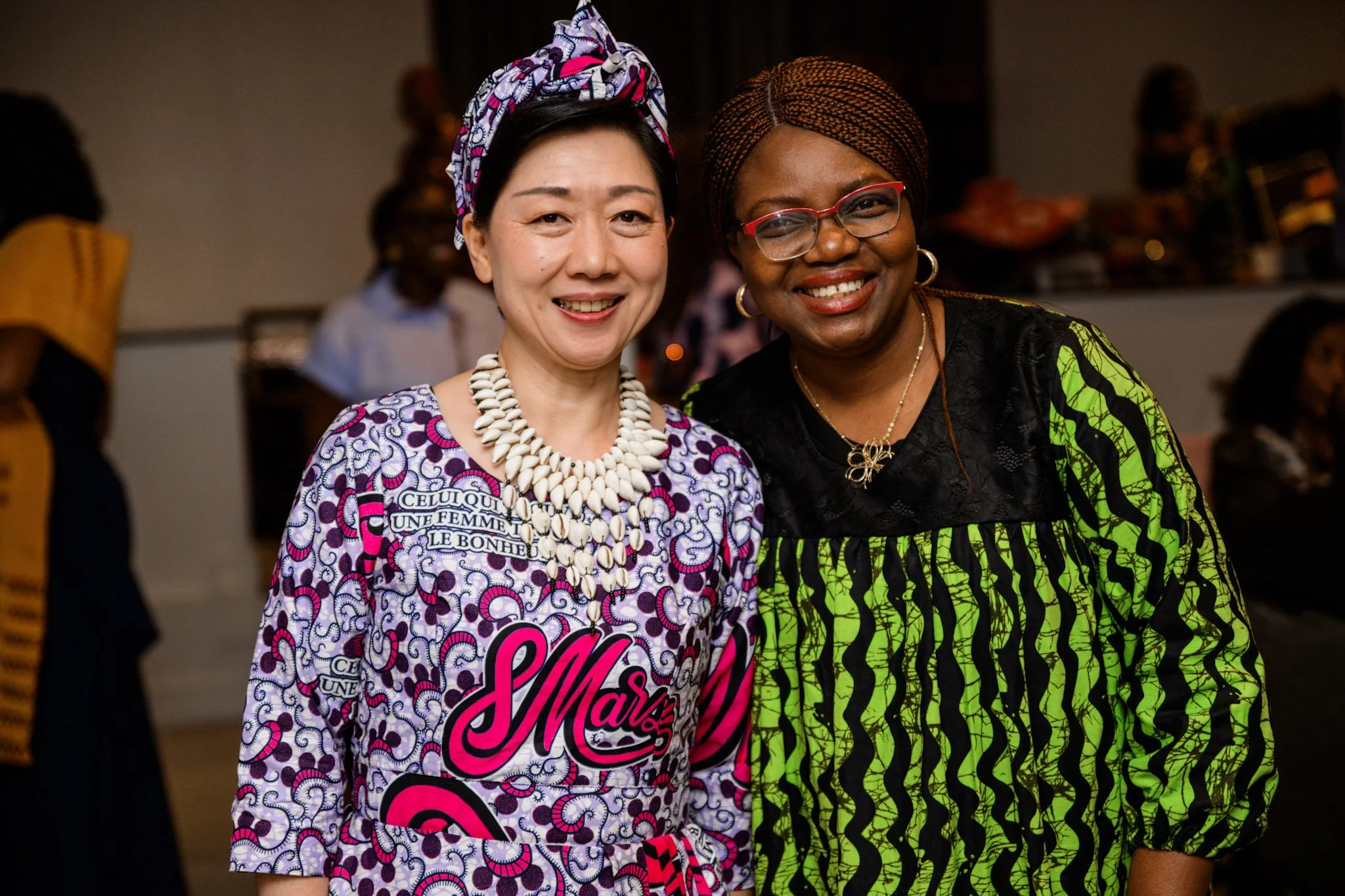
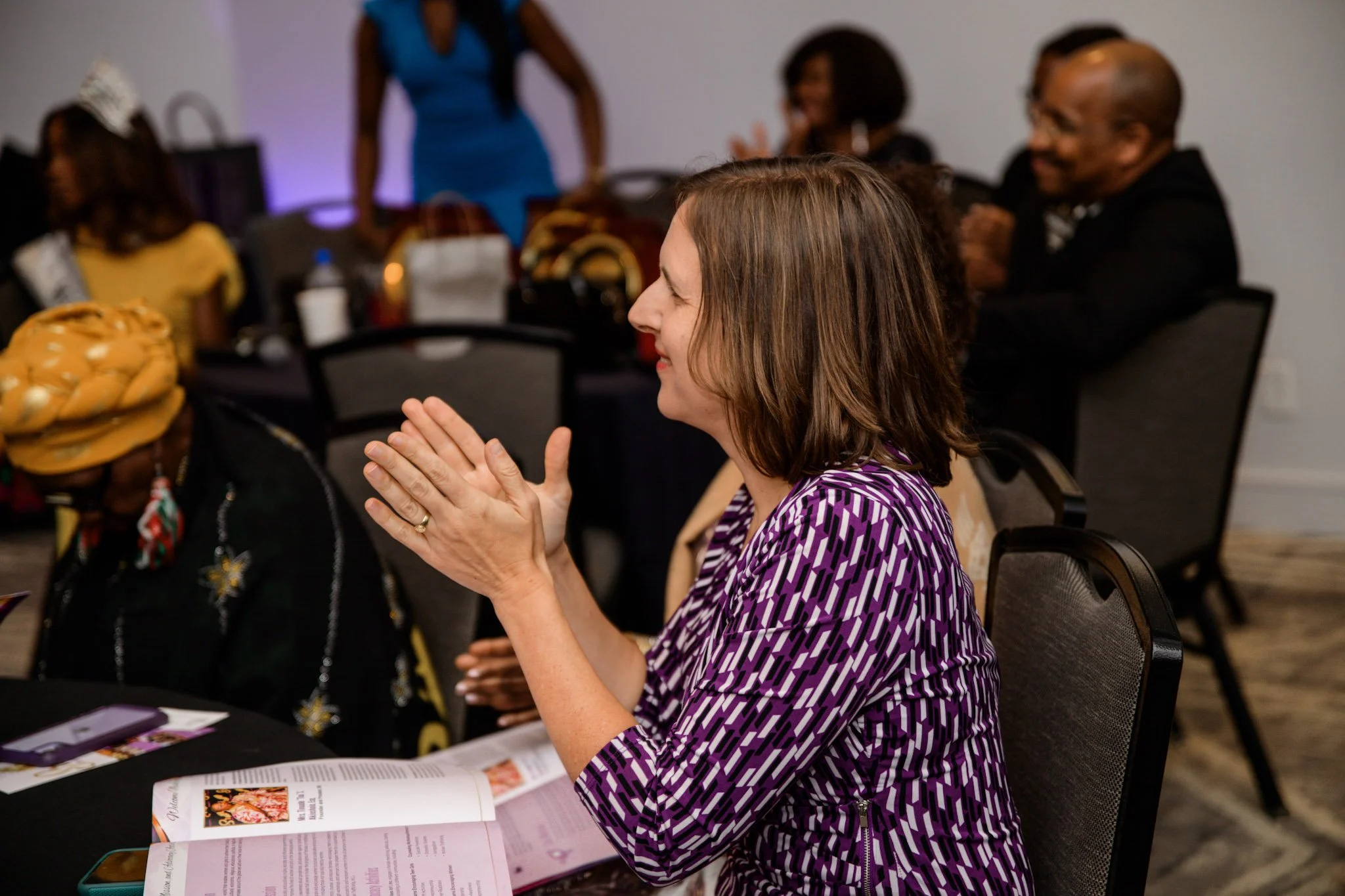
A special highlight was the Keynote Address from WFWP International President Mrs. Moriko Hori, who was also honored with an award for her leadership of WFWP and the lives WFWP has touched in 120 countries. There was a noticeable hush in the room as the audience listened attentively to her speech, which was met by a rounding standing ovation. Her speech touched on the founding legacy of WFWP, the value of its mission in our world today, and the future direction of the organization. Please read below for her full speech.
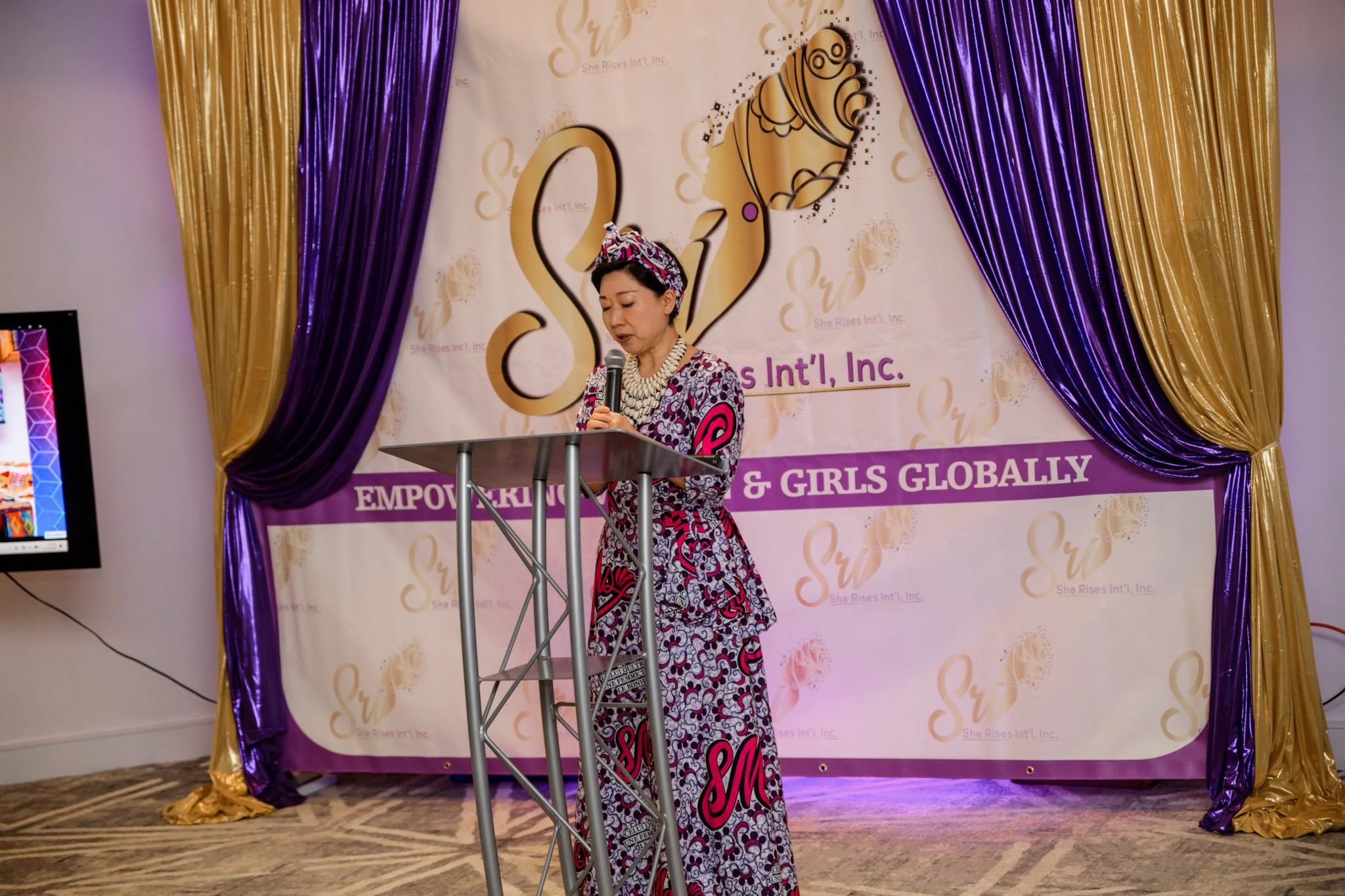
Distinguished guests, honored award recipients, dear friends,
It is a privilege to be with you for this special celebration.
To the leadership, organizers, volunteers, and supporters of She Rises International: thank you for bringing us together, and for your commitment to women and girls.
Thank you for recognizing women whose work deserves to be seen, whose voices deserve to be heard, and whose courage encourages others to believe in what is possible.
To every honoree, congratulations.
We celebrate your achievements. We also honor the journey behind them: the difficult decisions, the quiet sacrifices, the moments when you continued even though the way forward was uncertain.
An award can carry one person’s name. Yet behind that name are often many others: someone who believed in us, someone who opened a door, someone who stood beside us when we were close to giving up.
Today, we celebrate those relationships, too.
I bring warm greetings from the Women’s Federation for World Peace International, WFWPI, and from our members and partners around the world.
Our work takes us into different countries, cultures, and communities. Yet everywhere, we encounter a deeply shared human longing:
To live with dignity.
To belong.
To keep our children safe.
And to believe that tomorrow can be better than today.
That is why the name “She Rises” speaks so powerfully to me.
When a woman rises, her achievement can open possibilities for people she may never meet.
A girl sees her and thinks, “Perhaps I can do that, too.”
A family discovers a new path.
A community begins to imagine a different future.
Today, I would like to reflect on how we can help that future become real, through what we at WFWPI call “Feminine Leadership”.
We live in a world where division reaches deeply into everyday life.
It appears between nations and communities. It enters our workplaces, our homes, and even our closest relationships.
Too often, pain creates more pain.
A person who has been humiliated humiliates someone else. A community that has experienced injustice becomes afraid of another community. Children inherit fears and resentments that began long before they were born.
These patterns can continue across generations.
But they can also be interrupted.
Someone can recognize the pattern and say:
“This pain is real. It deserves to be heard. And I want to help create a different future.”
For me, that is one of the most important responsibilities of leadership.
We need leaders who can protect dignity, confront injustice, and create conditions in which people can heal and move forward.
This is the promise of Feminine Leadership.
When I use this expression, I mean leadership grounded in empathy, care, moral courage, and responsibility for relationships.
It listens closely enough to understand what lies beneath anger.
It recognizes potential where others see only a problem.
It brings people together around the work that needs to be done.
These capacities have often been developed through women’s experiences of caring for families and sustaining communities. They deserve recognition in public leadership, in institutions, and wherever decisions shape people’s lives.
They can also be practiced by men. We need women and men to develop them together.
At WFWPI, our co-founder, Dr. Hak Ja Han Moon, has encouraged women to bring a mother’s heart to the work of peace.
I understand that heart as a willingness to take responsibility for life: to protect it, nurture it, and help it flourish.
Women express this in many ways, whether or not they are mothers.
We see it in a teacher who refuses to give up on a student. In a leader who makes room for a younger colleague. In an advocate who persists until a woman’s rights are respected.
Such leadership requires strength.
Compassion requires us to remain attentive when another person’s suffering is uncomfortable.
Dialogue requires patience and the courage to face disagreement.
Reconciliation requires truth, accountability, and a willingness to imagine a future beyond the injury.
No one should be pressured to forgive, or asked to remain in an unsafe situation. Those who have been harmed deserve protection, justice, and the freedom to make their own choices.
Our responsibility is to help make healing possible.
Sometimes that work begins within ourselves.
Many women are very good at doing.
We organize. We solve problems. We meet expectations. We care for others.
And sometimes we continue until we have very little left to give.
I know how easily leadership can become a constant effort to prove that we are capable.
But our capacity to lead also depends on how we care for our own inner lives.
Can I recognize when I am hurt?
Can I ask for support?
Can I pause before frustration becomes a word that wounds someone else?
Can I treat myself with the dignity I want to offer others?
This is part of the movement from doing to being.
It means bringing greater awareness to our actions, so that our leadership grows from a grounded sense of who we are and what we value.
That inner work becomes meaningful through what we do in the world.
Let me share a few examples from WFWP’s activities.
Last month, I visited Handow Secondary School in western Kenya, a school that WFWP Japan has supported since 1998.
Spending time with its teachers and students brought me back to a basic question:
What does a young person need in order to keep believing in the future?
A place in school matters. So do trusted adults, health education, and relationships that help students make informed decisions.
For girls, the possibility of pregnancy and interruption of their education makes this support especially important.
At Handow, HIV prevention education forms part of the school’s continuing efforts to support students’ health and future.
Our role is to work alongside teachers and the community, and to listen to the young people themselves.
They have aspirations, insights, and abilities. They need opportunities to develop them and take part in shaping their own lives.
A girl whose education continues gains more choices.
She may become a teacher, a health professional, an entrepreneur, or a community leader. Whatever path she chooses, her learning can influence many lives around her.
This is why sustained support matters.
A visit can encourage. A donation can meet an urgent need. A relationship maintained over many years can help create the trust needed for lasting work.
In Rwanda, WFWP’s vocational training efforts have offered learning opportunities in fields such as sewing, cooking, beauty care, and computer skills.
These are practical skills with practical value.
They can help a young person earn an income and contribute to a household. They can also strengthen the confidence to make decisions and pursue new goals.
When we support someone’s learning, we are investing in their ability to act.
And when we listen to their ideas, we make room for partnership.
That is important to me. The people we work with bring knowledge, resilience, and leadership of their own. Our task is to build something together.
The same principle applies within families.
In Japan, we have begun a family strengthening program that helps participants practice skills such as listening, acknowledging one another, managing emotions, and turning conflict into dialogue.
The practices are simple.
Pause before reacting.
Listen without preparing your reply.
Express your feelings without blaming.
Recognize something you appreciate in another person.
Make a little time for conversation.
Simple practices can be difficult to sustain, especially when we are tired or hurt. That is why participants need encouragement and opportunities to keep practicing.
Consider a familiar moment: someone says something that upsets us.
We feel the urge to answer sharply. Then we pause and choose a different response.
Perhaps we ask, “Can you help me understand what you mean?”
That pause creates a possibility.
Over time, such choices can help change the atmosphere of a home. Children can experience ways of handling disagreement that preserve respect.
This is one place where a negative cycle can begin to change.
Our work for peace also reaches across historical and cultural divisions.
Through WFWP’s Bridge of Peace initiatives, women have created opportunities to encounter one another across boundaries of nationality, religion, and painful history.
A personal encounter does not resolve every injustice. It can, however, begin to change how we see one another.
We start to hear a person’s story.
We learn what she fears, whom she loves, and what she hopes her children will never have to experience.
That understanding can become a foundation for further work.
As a Japanese woman concerned with reconciliation, I feel a responsibility to listen to historical pain with humility.
We cannot choose the history we inherit. We can choose how honestly we face it, and how responsibly we shape what comes next.
That is where Feminine Leadership can play a vital role: holding space for truth while helping people build relationships capable of carrying a better future.
Across these different activities, the purpose is connected.
Education expands choices.
Livelihood skills strengthen agency.
Health education helps young people protect their futures.
Family learning develops habits of respect.
Dialogue creates possibilities for cooperation.
Together, these efforts express a conviction we share at WFWPI:
No Peace Without Women.
Women need meaningful opportunities to influence decisions, resources, and institutions. Their experience and leadership must help shape the solutions.
And women should have the support to do this work without carrying every burden alone.
That is why organizations such as She Rises International matter.
You help women and girls develop their potential. You recognize leadership. You bring people into relationships through which encouragement can become opportunity.
To the honorees here today, your influence reaches beyond the work for which you are being recognized.
Someone may be watching you who has never met you.
She may be wondering whether her voice matters. Whether her idea is worth pursuing. Whether she can begin again after a disappointment.
Your example may help her take the next step.
As we leave this celebration, I invite each of us to consider one person whose next step we could support.
A young woman we could mentor.
A colleague whose contribution we could recognize.
A girl whose education we could help sustain.
A person whose experience we could listen to more carefully.
Choose one action, and carry it into the coming week.
Hope becomes stronger when someone gives it time, attention, and a practical opportunity to grow.
Dear friends,
We have each received something from those who came before us: love, wisdom, opportunity, and sometimes wounds that still need care.
Our leadership will help determine what we pass on.
We can pass on habits of dignity.
We can pass on the courage to speak truth.
We can pass on ways of resolving conflict that protect people.
We can open doors that once seemed closed.
This is the future I hope we will build together: a world where girls can develop their gifts, where women’s leadership helps shape public life, and where our differences can become a starting point for learning and cooperation.
Thank you, She Rises International, for helping women rise.
Thank you to every honoree for the work you have done, and for the possibilities your example opens.
May we continue to rise with courage.
May we make room for others to rise beside us.
And may the hope we nurture today become a more peaceful future for the generations who follow.
Thank you.