
Father’s Day Tips: Celebrating Fatherhood & Family Leadership
Written by: Naomi Tanaka
June gives us a special opportunity to pause and appreciate the role fathers play in our families and communities. Father’s Day is more than a holiday for gifts and cards. It is a reminder to honor the steady strength of fathers, husbands, grandfathers, mentors, and father figures who help shape our lives.
In today’s fast-paced world, it can be easy to overlook the importance of intentional leadership. But strong families are built on partnership, mutual respect, and the balance of both feminine and masculine energy within the home.
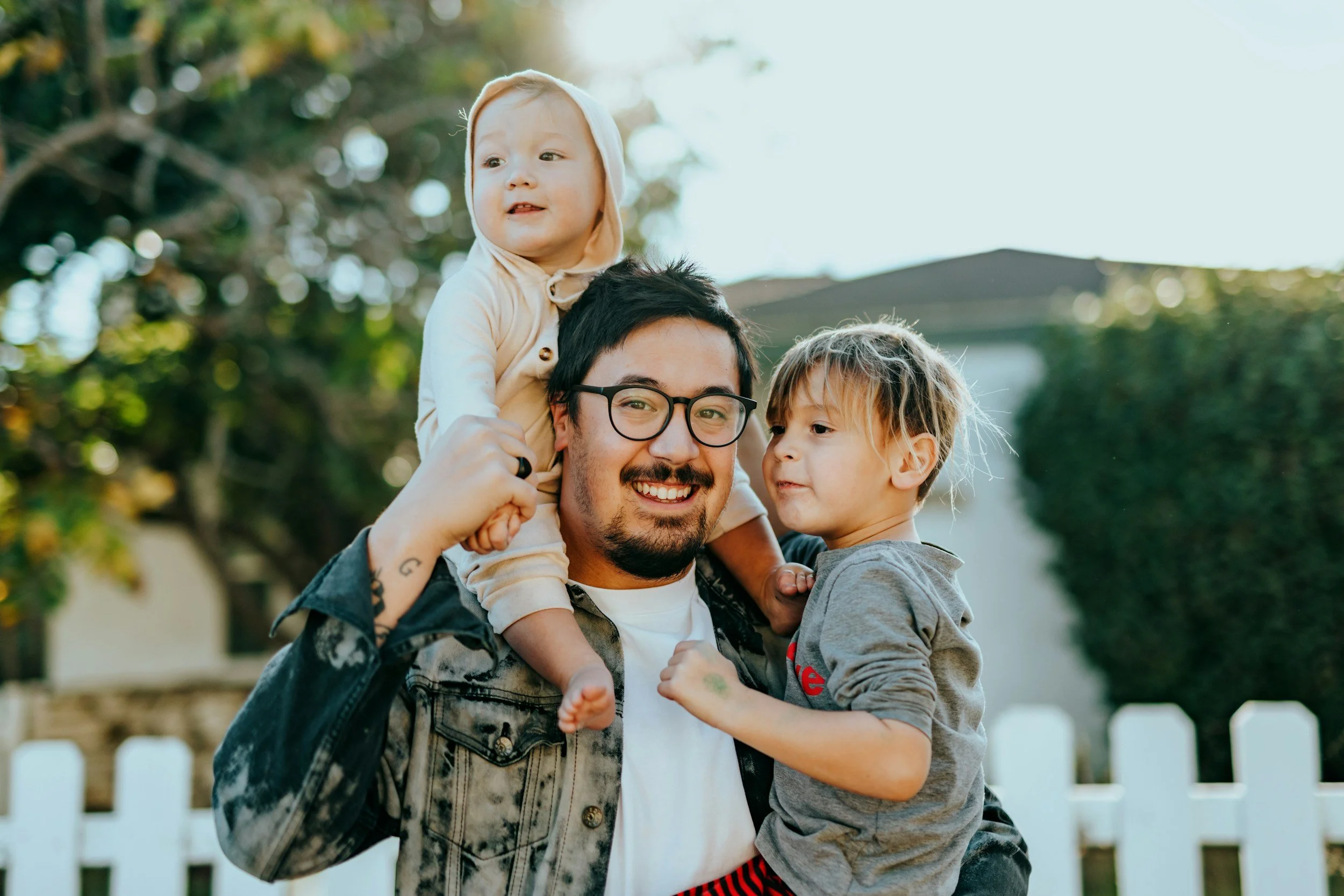
Celebrating Father’s Day does not need to be extravagant to be meaningful. Often, the most memorable moments come from simple acts of appreciation.
Consider creating traditions such as:
A family breakfast or picnic together (Great tips on picnics included in May’s newsletter!)
A handwritten letter sharing specific gratitude
A “Dad Appreciation Jar” where family members add notes of thanks
Looking through old family photos and sharing favorite memories
These small but intentional gestures create lasting emotional connection and remind fathers that their efforts are seen and valued.
While gifts can be thoughtful, genuine words of affirmation often means more to fathers than any physical gift. Many fathers carry responsibilities quietly. They work hard, make sacrifices, solve problems, and support the family emotionally and financially without asking for recognition. Taking time to acknowledge these efforts can be incredibly meaningful.
Simple ways to show appreciation include:
Saying thank you for everyday things
Publicly recognizing their efforts in front of children
Asking about their dreams, stresses, and needs
Creating time so that they can rest and refresh
Children learn more from what they see than what they are told. Positive fatherhood leaves a lasting imprint not only through discipline or advice, but through example. When children witness fathers demonstrating patience, integrity, responsibility, humility, and love, they begin to understand what healthy leadership looks like. This also applies to grandfathers, uncles, mentors, and community leaders. Father figures help shape children’s understanding of trust, safety, and character. Strong role models teach children that leadership is not about control. It is about service, responsibility, and love.
Healthy families thrive when parenting feels like partnership rather than pressure placed on one person alone. Mothers and fathers each bring valuable strengths to raising children. When parents work as a team by communicating openly, supporting one another, and sharing responsibilities, children benefit from stability and unity. This does not mean parents must be perfect or identical in style. It means creating a shared vision for the family and respecting each other’s contributions. Children feel secure when they see cooperation, trust, and mutual respect between parents.
At WFWP, we believe that both feminine and masculine energy plays an important role in the home. Every healthy family benefits from both nurturing and structure, compassion and guidance, softness and strength. Feminine energy often brings emotional connection, intuition, empathy, and relational warmth. Masculine energy often brings protection, direction, stability, and clarity. Neither is superior, and both are necessary. Children flourish when they experience both unconditional love and healthy boundaries, both tenderness and accountability. This balance does not depend strictly on traditional roles, but on the willingness of each family member to contribute the qualities that create harmony and growth. Families become stronger when both energies are honored and respected.
Fatherhood is often quiet. It is found in early mornings, late nights, difficult decisions, and everyday sacrifices that may never be fully seen.
This June, let us move beyond simple celebration and into deeper gratitude. Let us honor fathers not only for what they do, but for who they are. Let us strengthen families by encouraging partnership, respect, and intentional leadership.
And let us remember that strong families build strong communities, and strong communities help shape a better world for everyone.