A Heart to Give: Lessons in Gratitude from Handow Secondary School
Written by: Dr. Katarina Connery, President of WFWP USA
A random post I saw on the internet ages ago has taken up lodging in my mind recently. It goes something like this: “If you go to bed at night with food in your belly, in a safe home, with a family who loves you, you have won the lottery of life.”
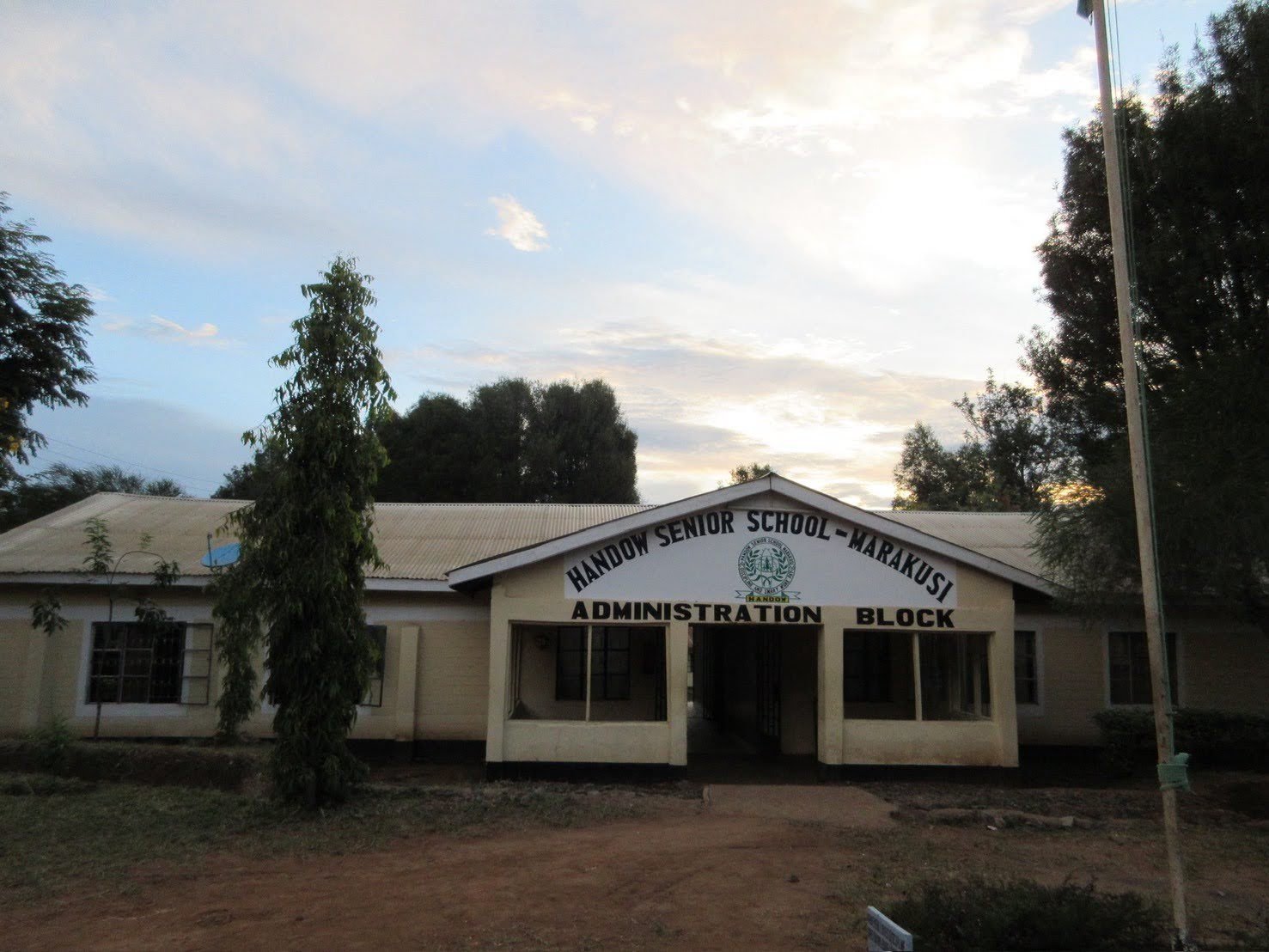
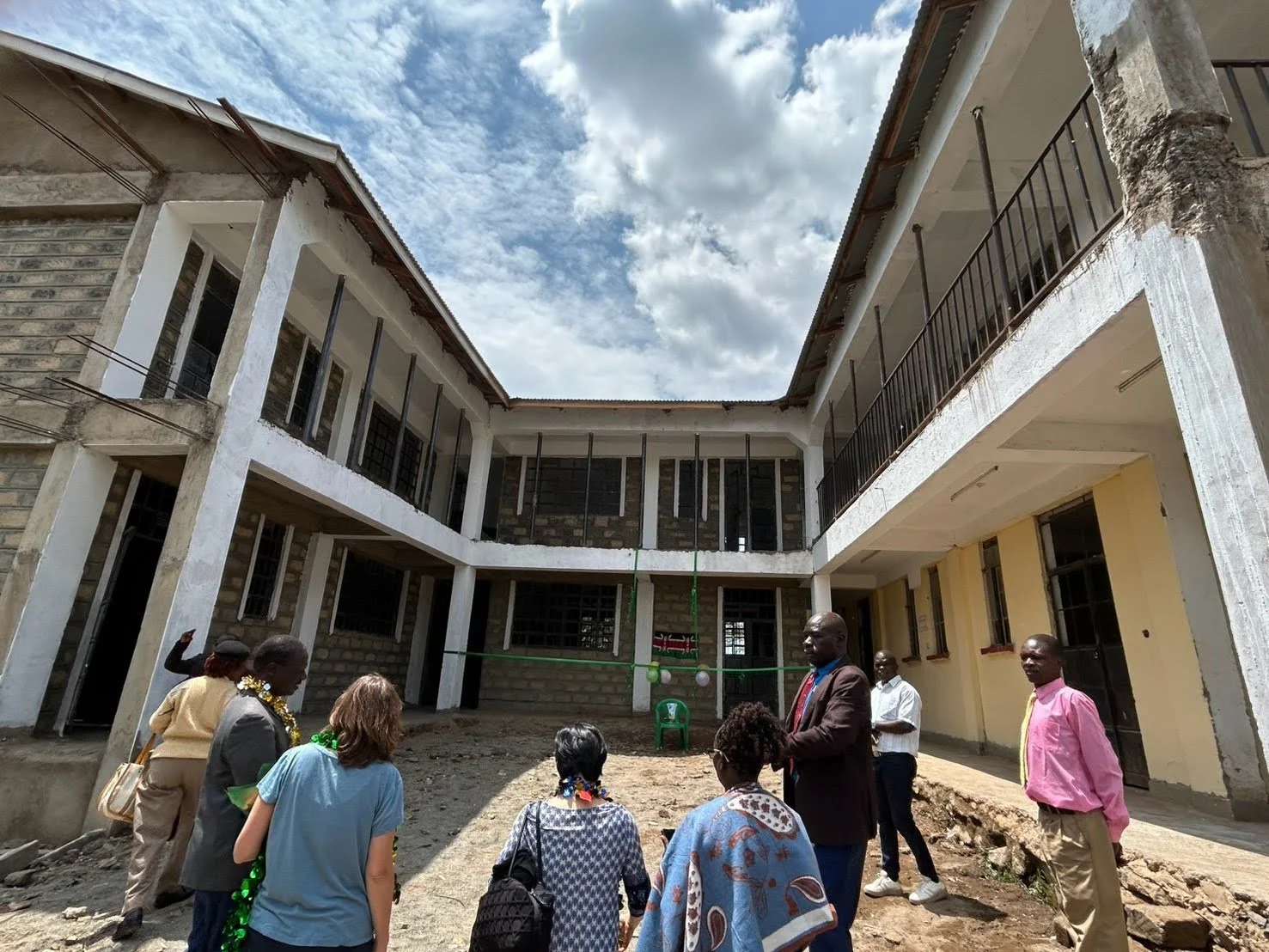
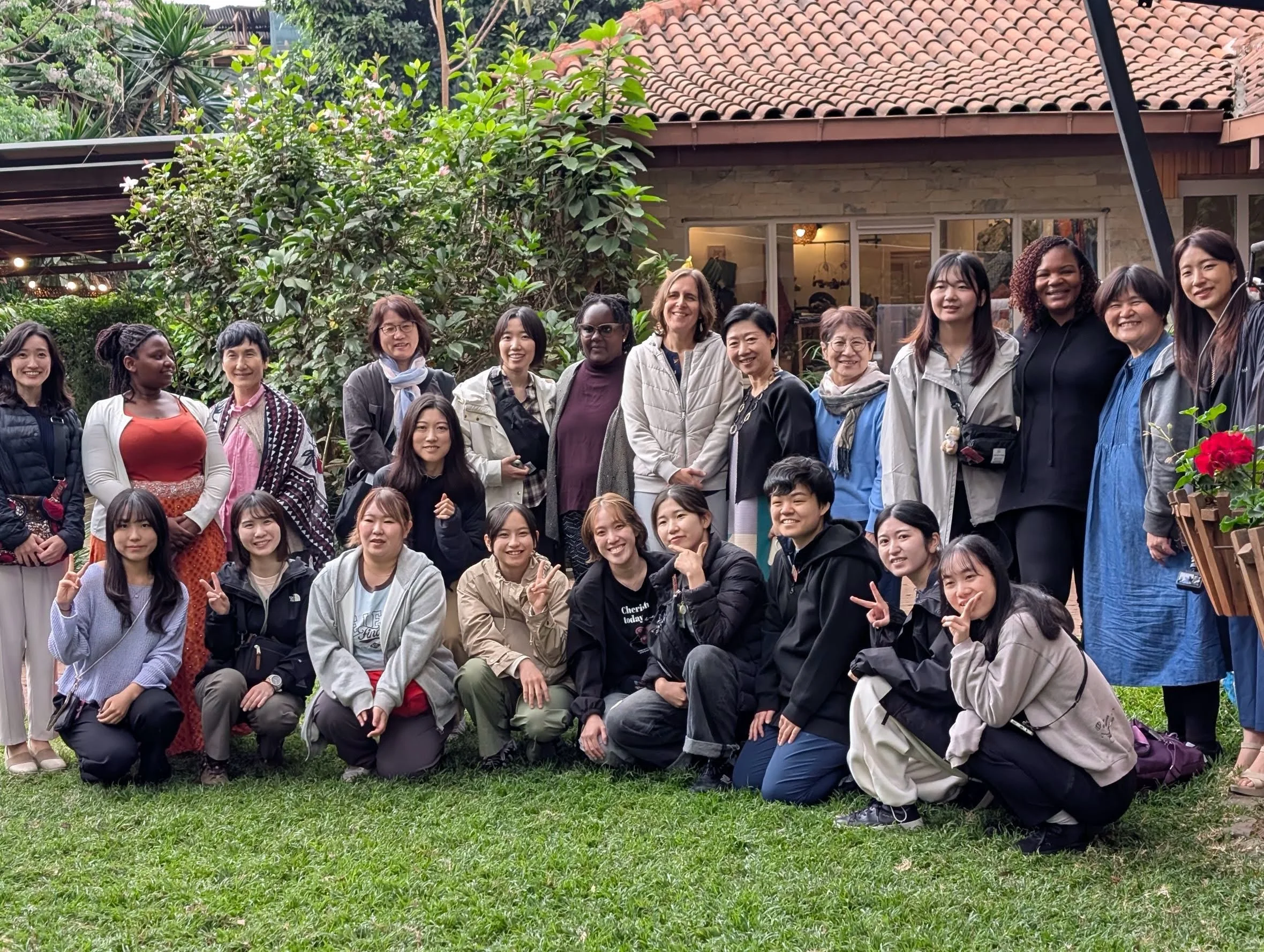
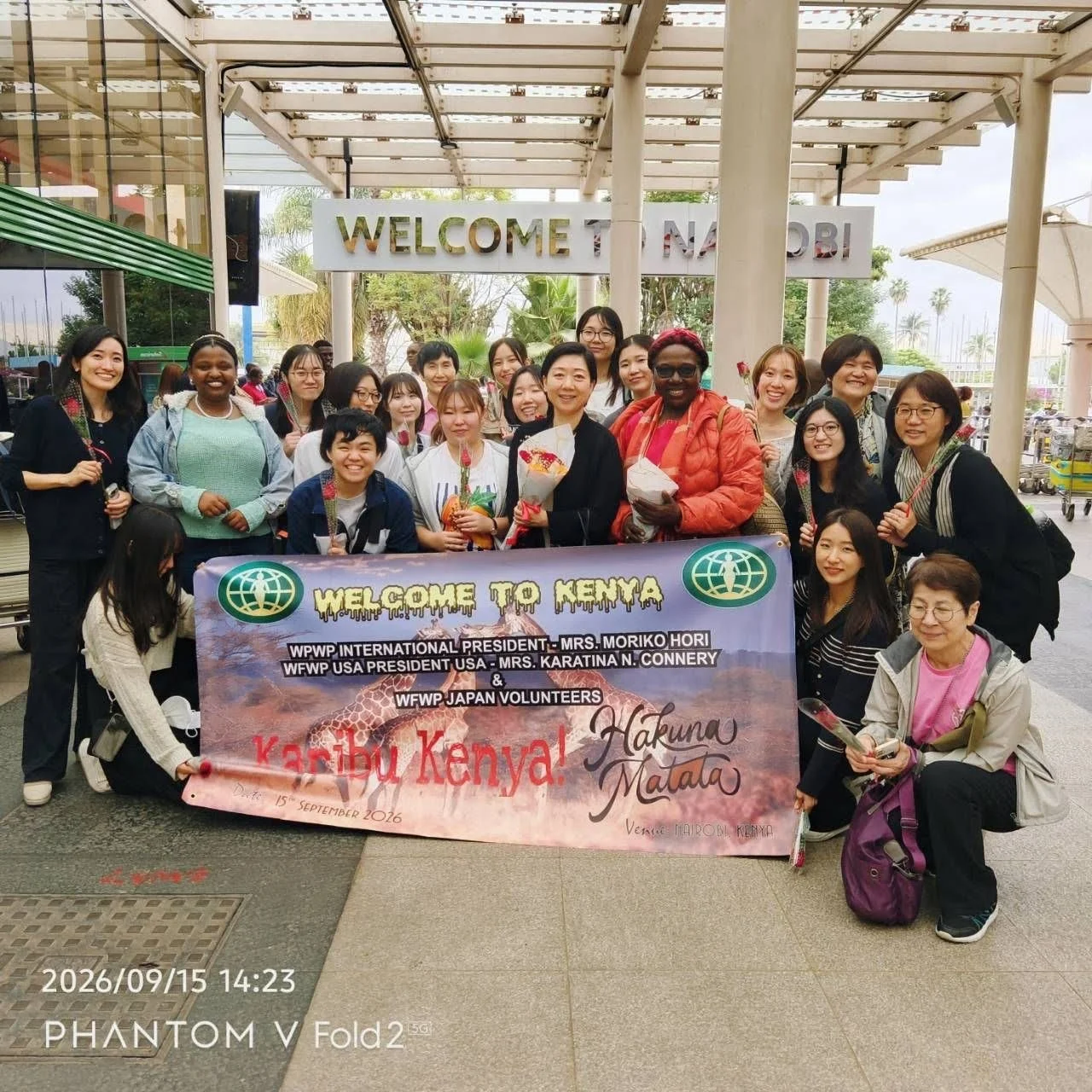
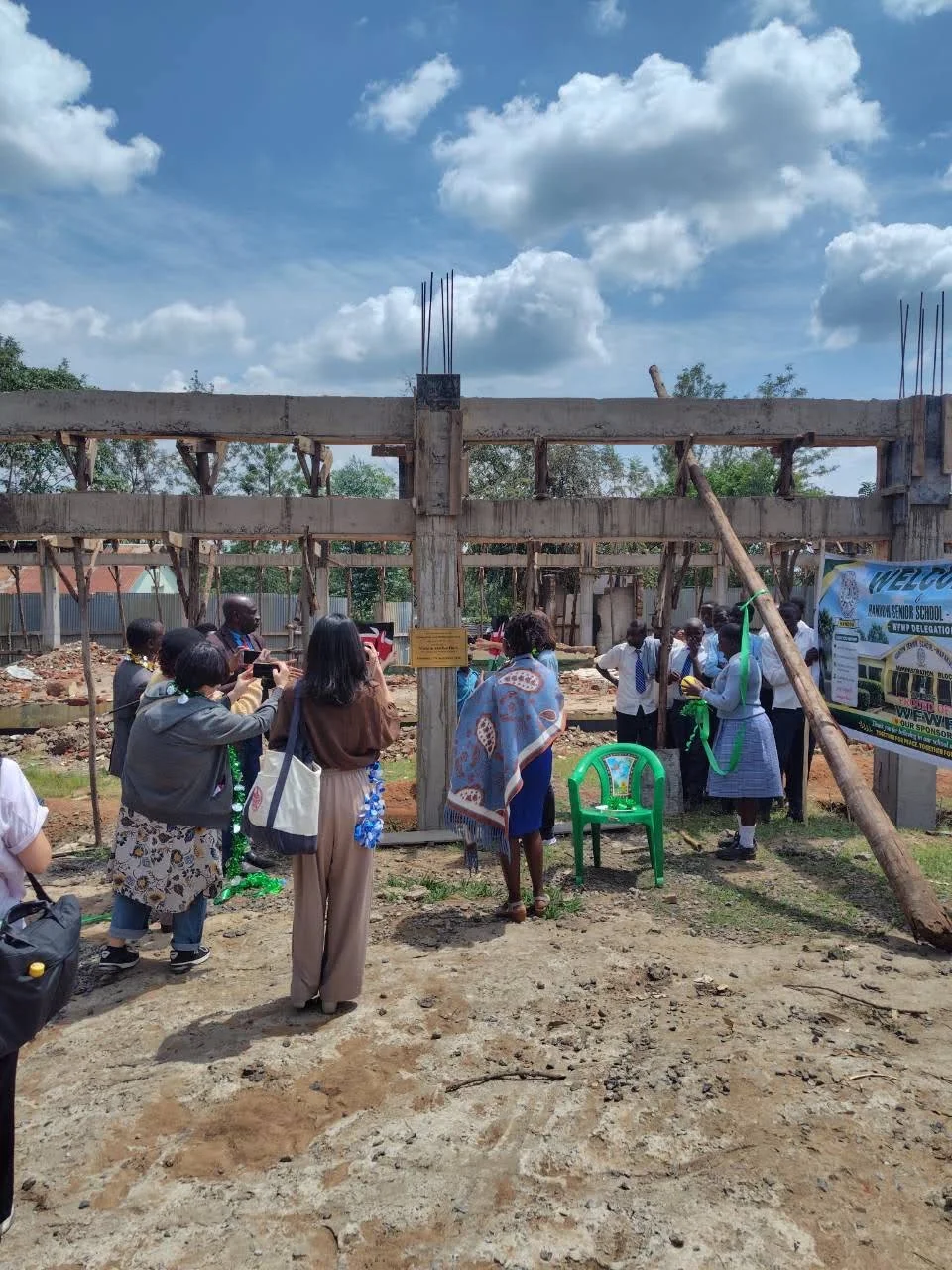
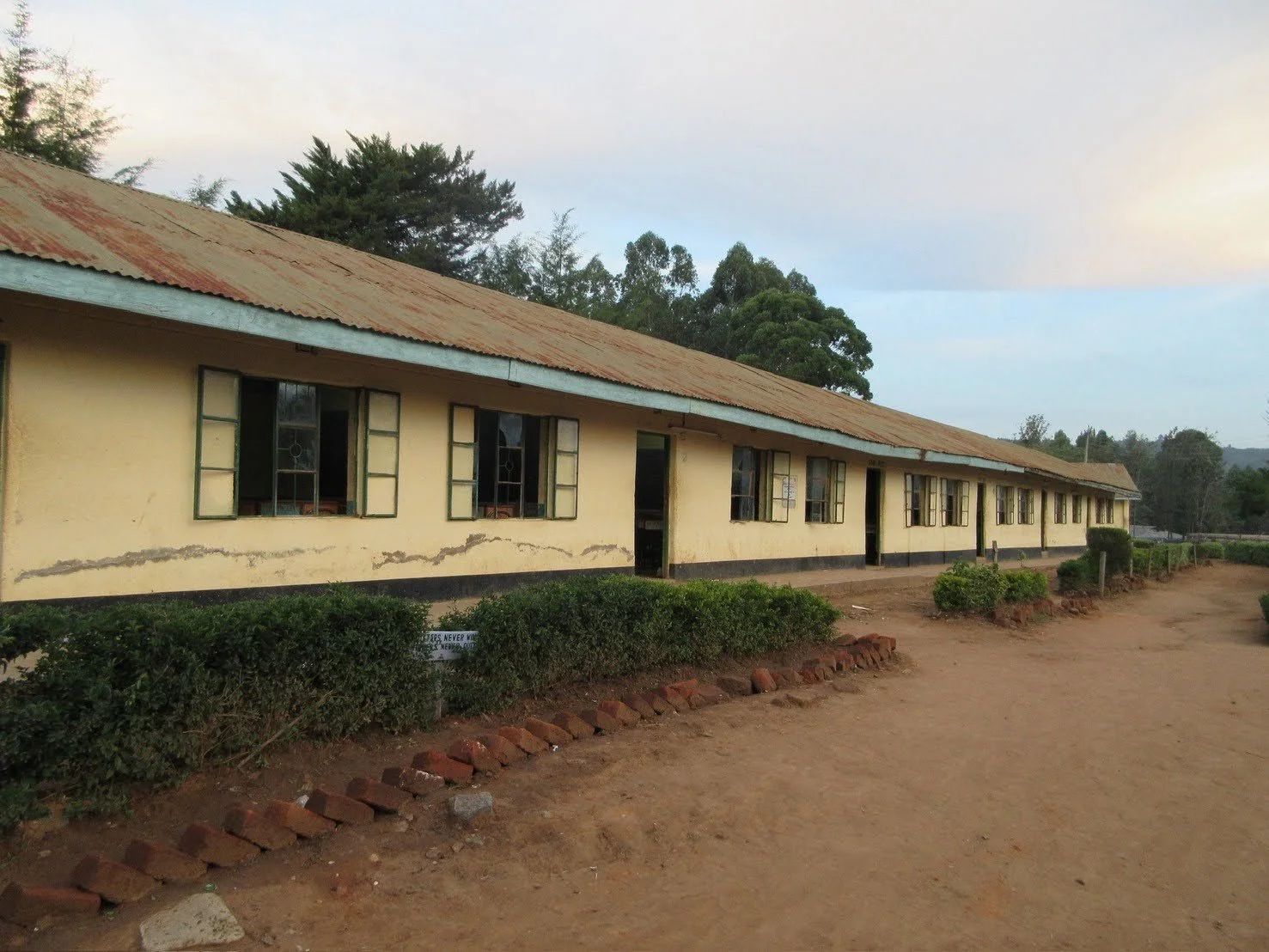
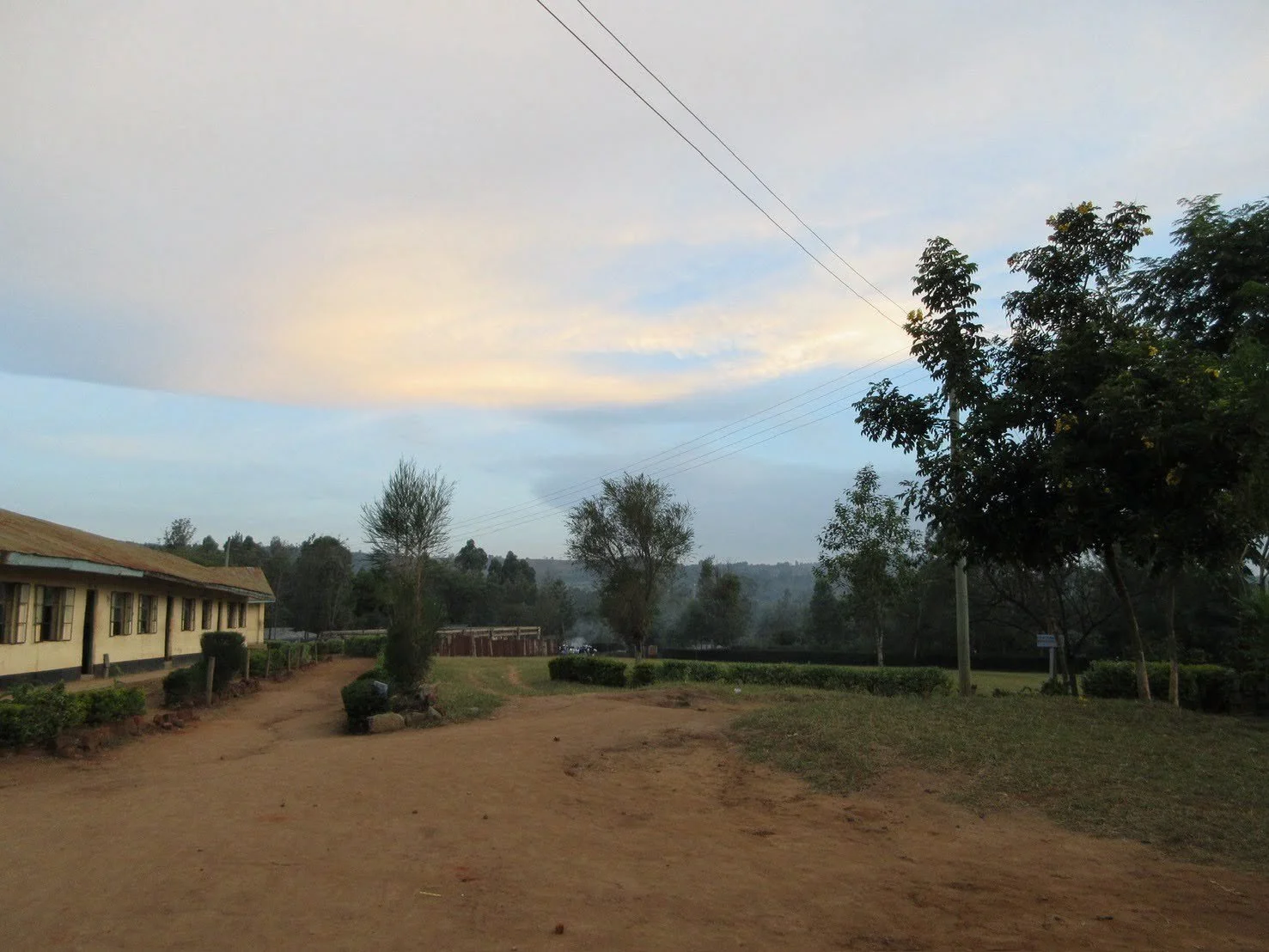
This came back to mind in the wake of my weeklong trip to Kenya, where I visited Handow Secondary School in the rural (very rural!) town of Marakusi with a team from WFWP Japan. In the US, the Schools of Africa Project has been sending funds to the school for years, but this was the first time I was able to visit in person.
I am still digesting the experience, and the people I met and places I saw will sit with me—perhaps for the rest of my life. A few moments stand out as especially memorable.
The first was visiting the homes of several students who receive scholarships due to financial hardship.
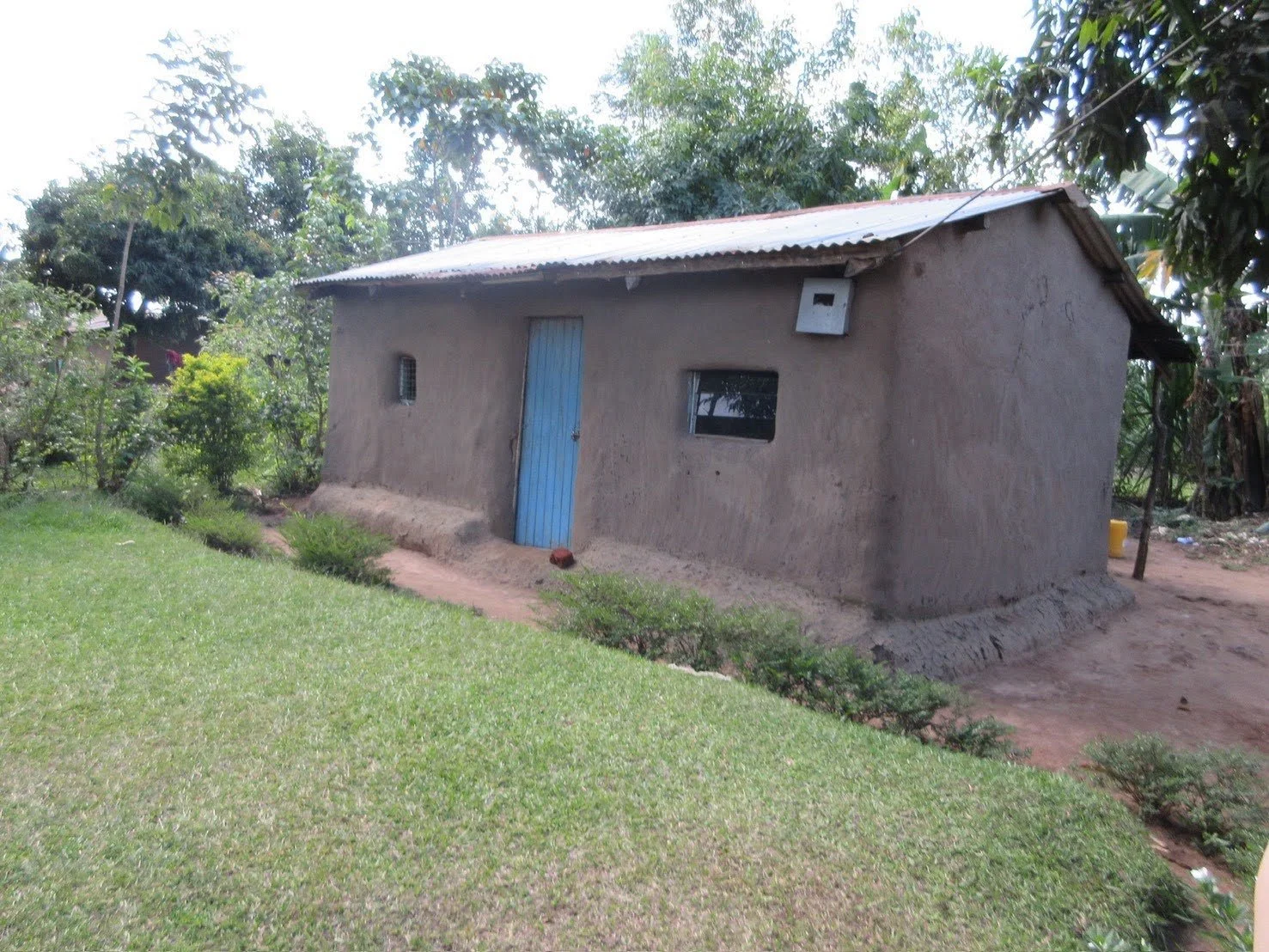
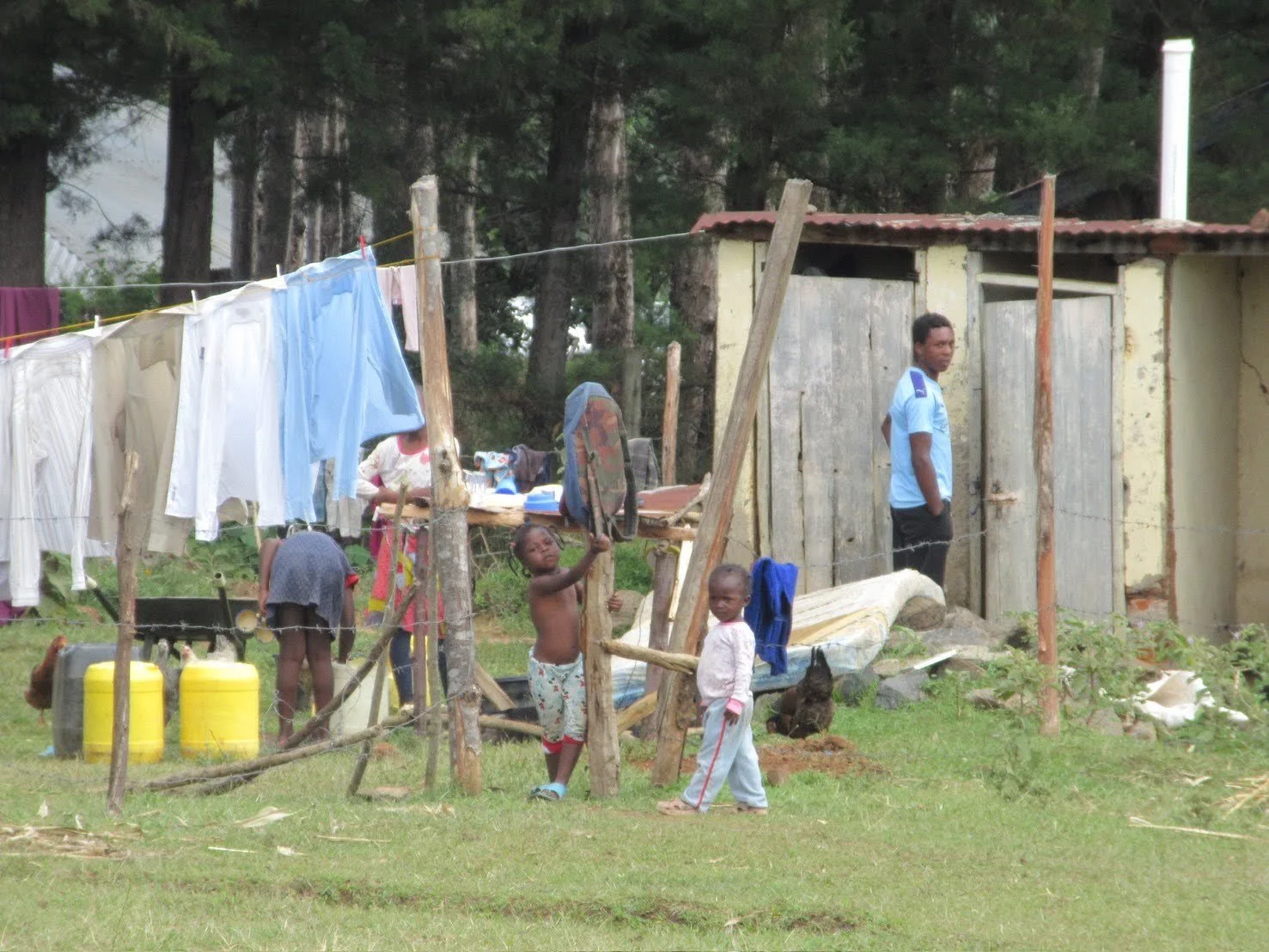
“This is the path I take,” announced Gracious as she led us to her home. For a moment, we looked at each other in confusion, but then we pushed our way through a field of sugarcane reaching above our heads. Over twenty of us crowded into her family's two-room mud house. With no electric lights, only sunshine streaming through small windows illuminated the dim room as we greeted her mother. In the cramped space, a low cluck near my feet alerted me to a chicken roosting in the corner.
The headmaster of Handow, Mr. Frederick Adanti, gently prompted Gracious to explain how she lives and what challenges she faces. In a quiet whisper, she shared that the biggest challenge is simply having enough food. We learned that she, her siblings, and her mother sleep on the floor with no mattress—only a sheet spread out. Another challenge is waking up on time, as she has to walk two hours to school each way, getting up at 4:00 or 5:00 a.m. I couldn’t help but watch her mother. I felt her heart break as they shared their humble situation with our group of foreigners, who live in the lap of luxury by comparison. When I return home, I can open my fridge and find food instantly. When I turn on the lights, they work. Hot water runs from the tap, and my home is secure against any weather.
Even so, as her mother wiped away a few tears and sighed, she displayed such a beautiful heart. I could feel her pride as she shared that Gracious is often at the top of her class and receives high marks. In that simple space, I noticed small touches that brought warmth and hominess, such as fabric draped across the ceiling. The outer courtyard, with laundry hanging on lines, was simple but neat and tidy. She even offered us bananas before we left. Though she didn’t have much, she possessed a deep desire to give and welcome us as guests. We received her warmth with gratitude, but politely declined the bananas so as not to take from her family.
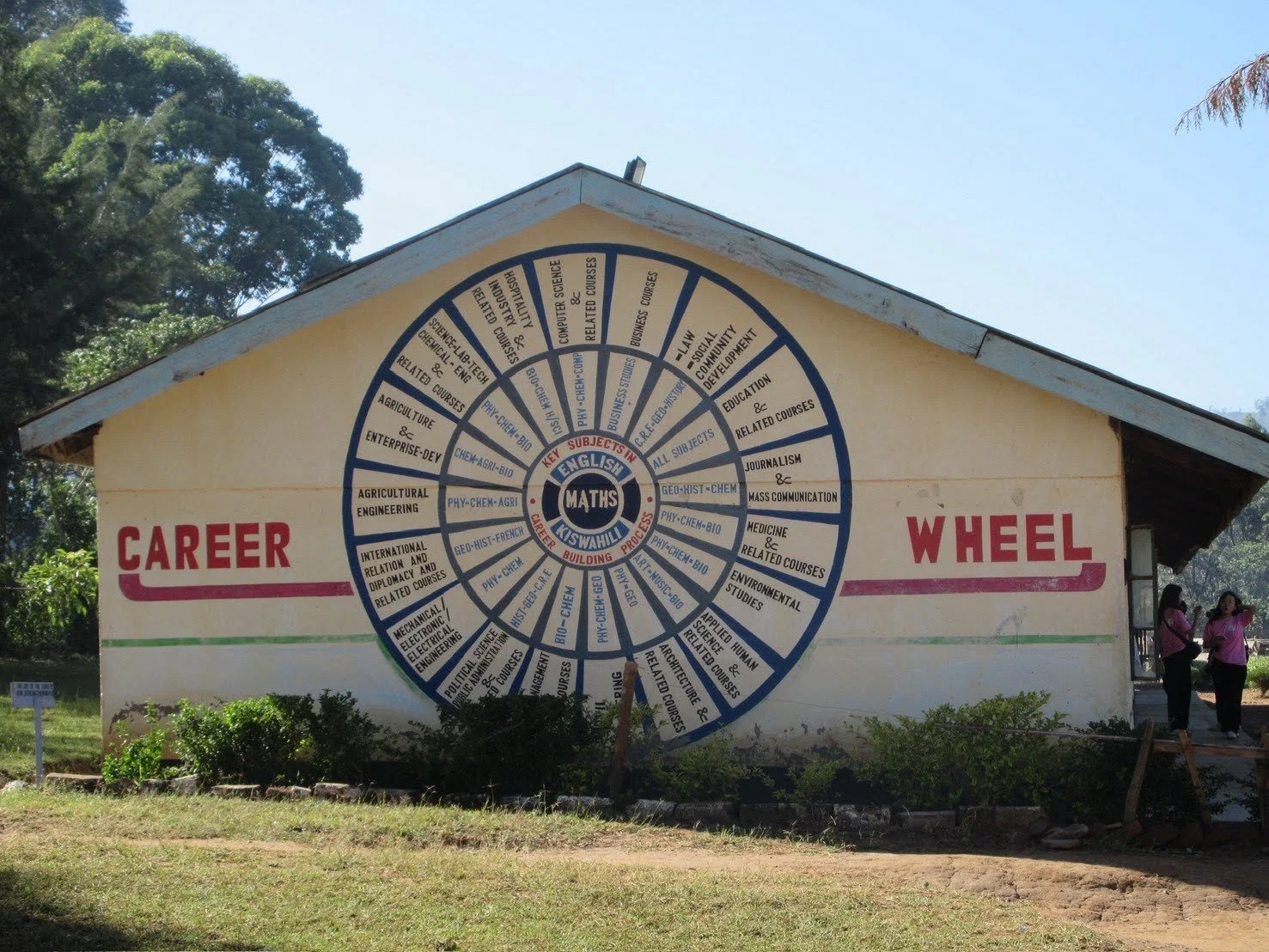
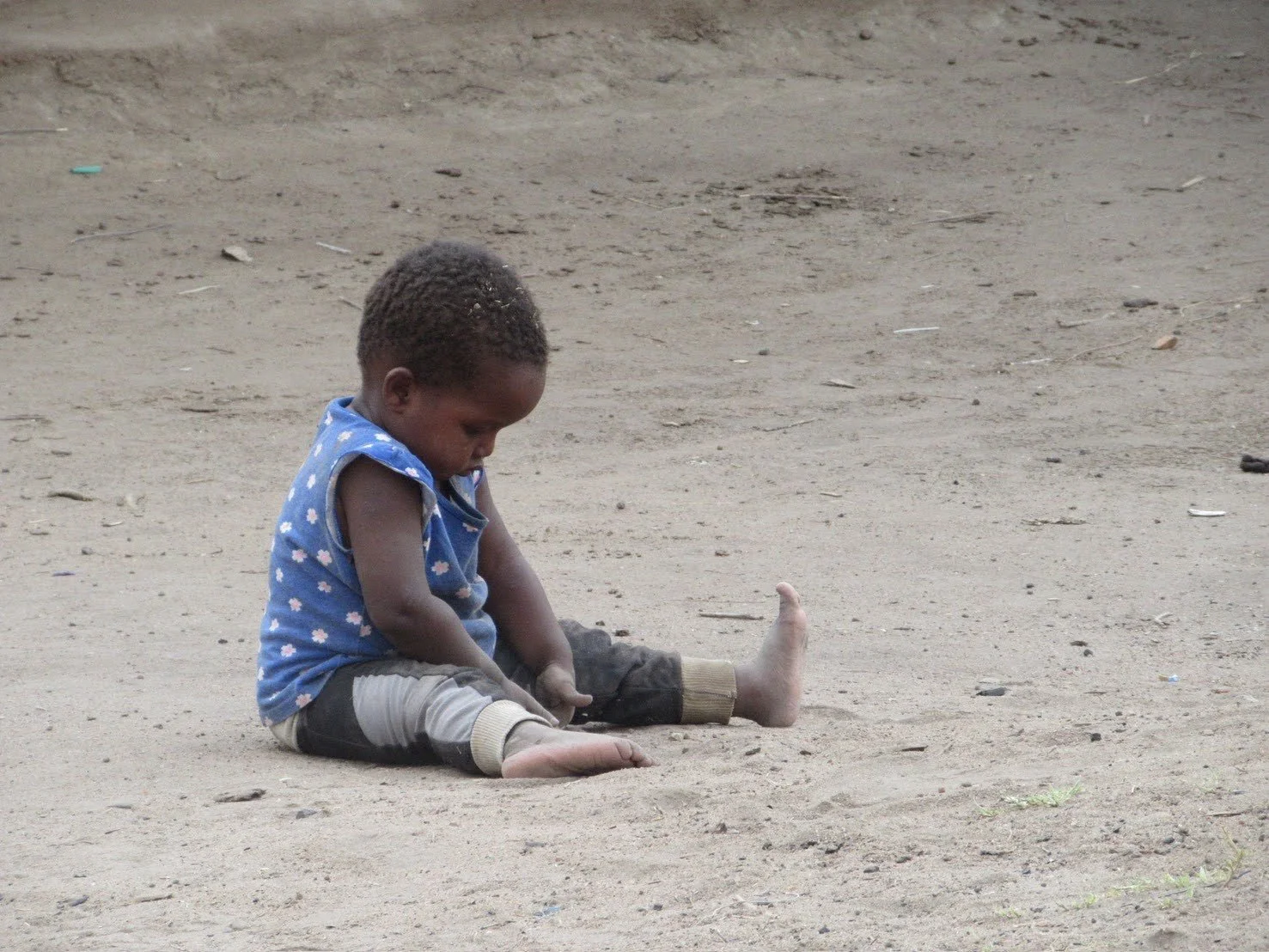
There are many other students, both there and everywhere, in similar—or much worse—circumstances. In the face of such deep need, one can feel powerless. I cannot simply wave a magic wand to give them everything they require. My life has been blessed with safety and comfort by circumstance of birth, but those privileges are not easily transferred to someone else. The need can feel overwhelming. The best we can do is provide an education in a safe and supportive environment through Handow Secondary School, so students can take their futures into their own hands and support their families step-by-step.
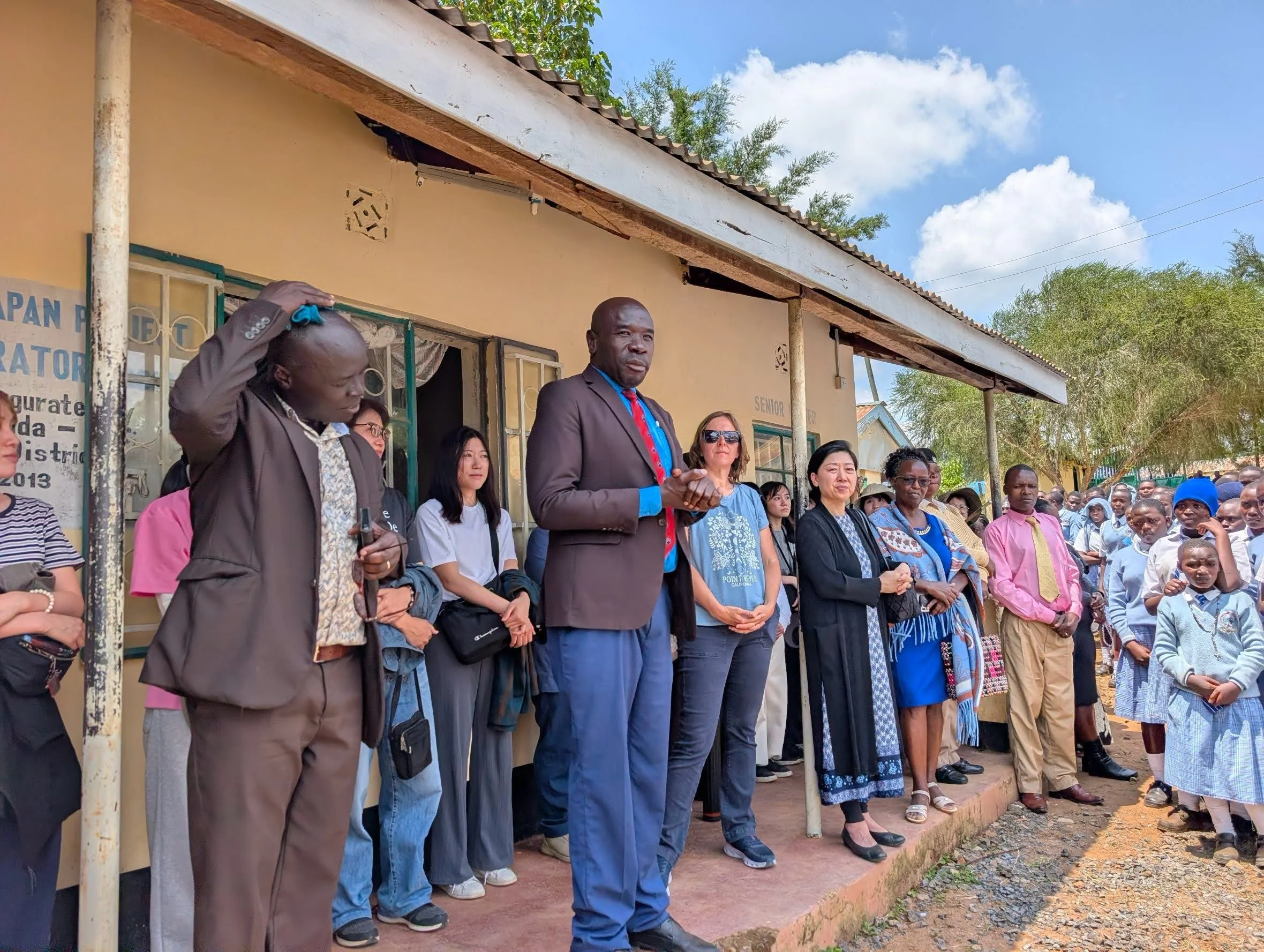
Throughout my visit, both the deep need of the students and the dedication of Handow’s teachers and staff—who give their full hearts to provide for these youth—were strikingly apparent.
Yet another experience stands out vividly in my mind.
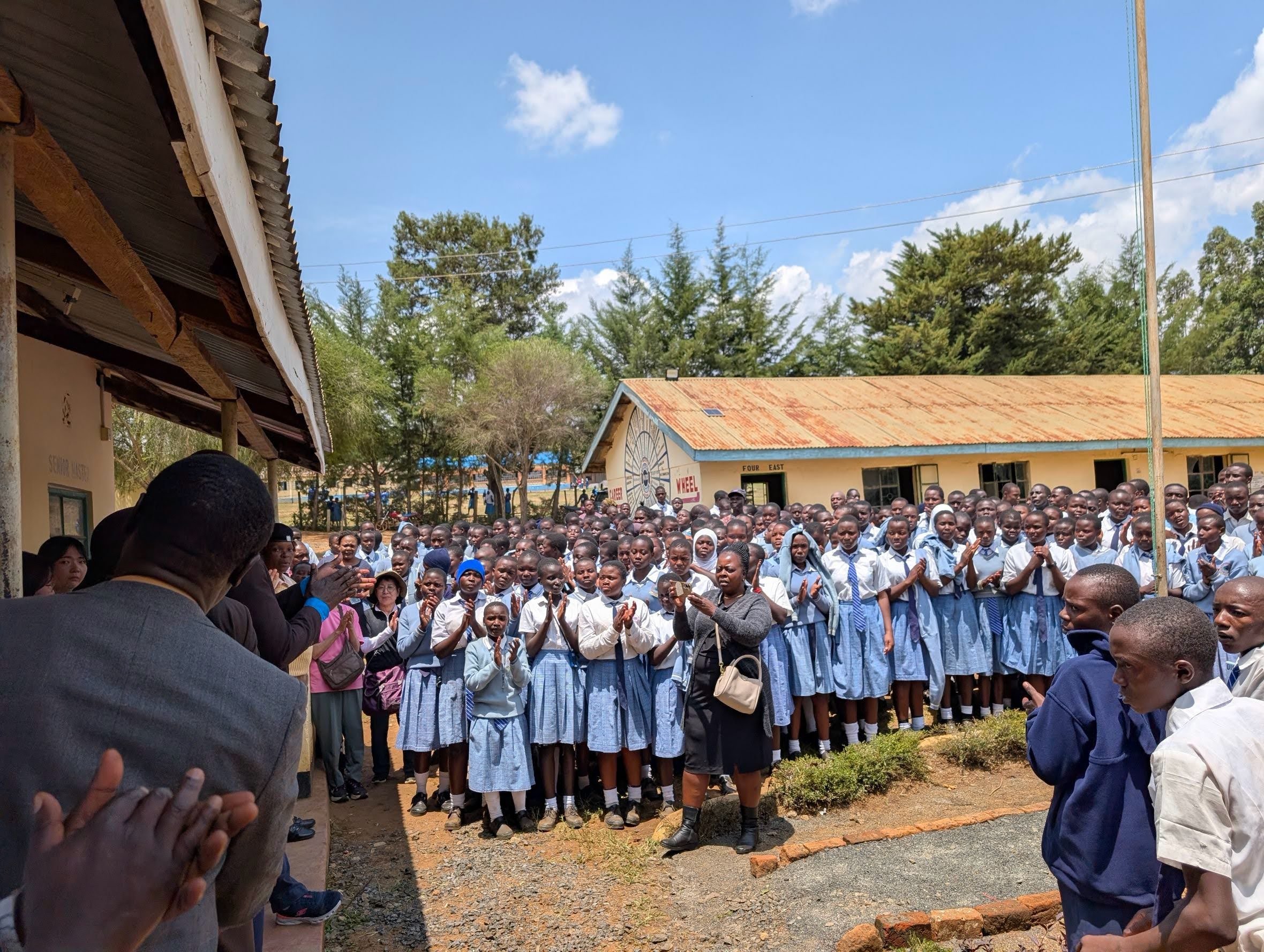
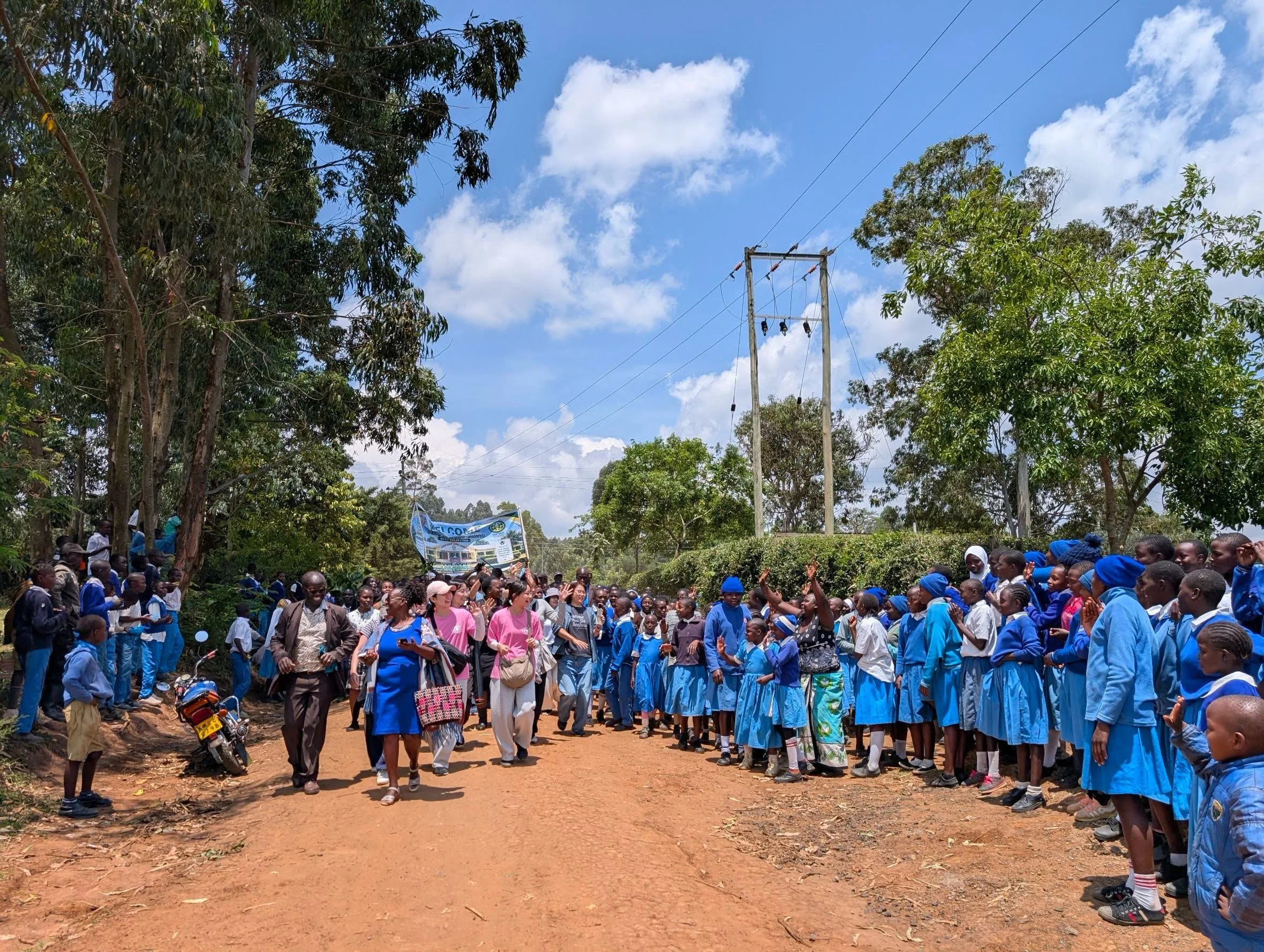
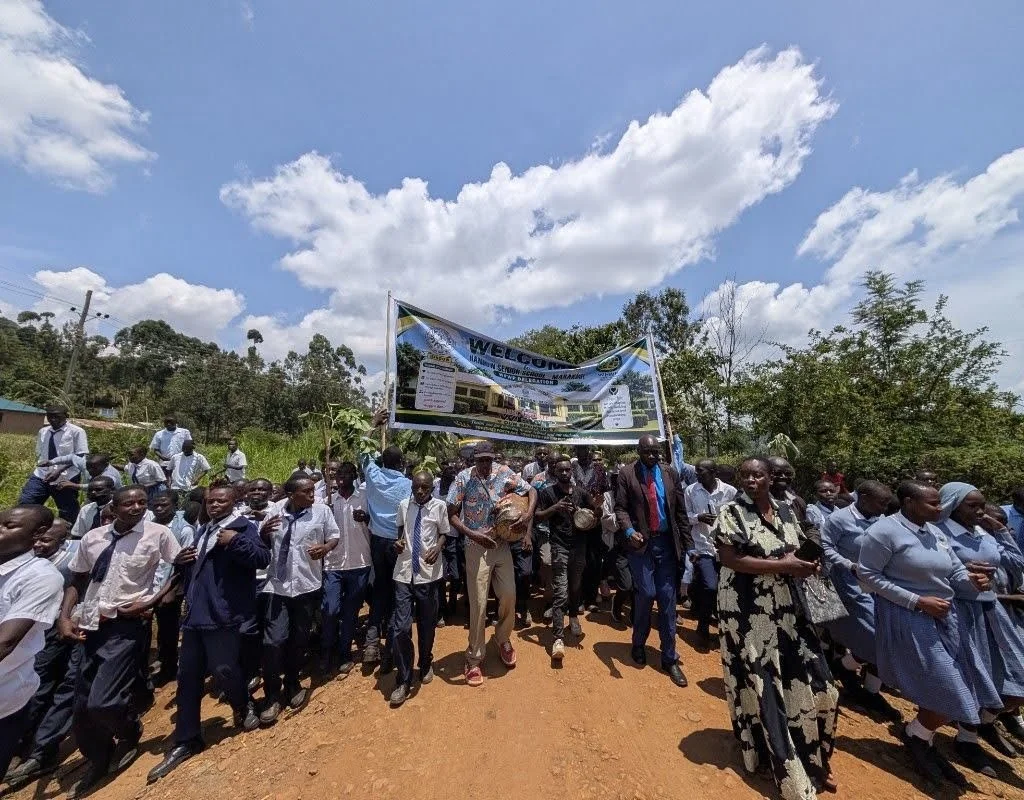
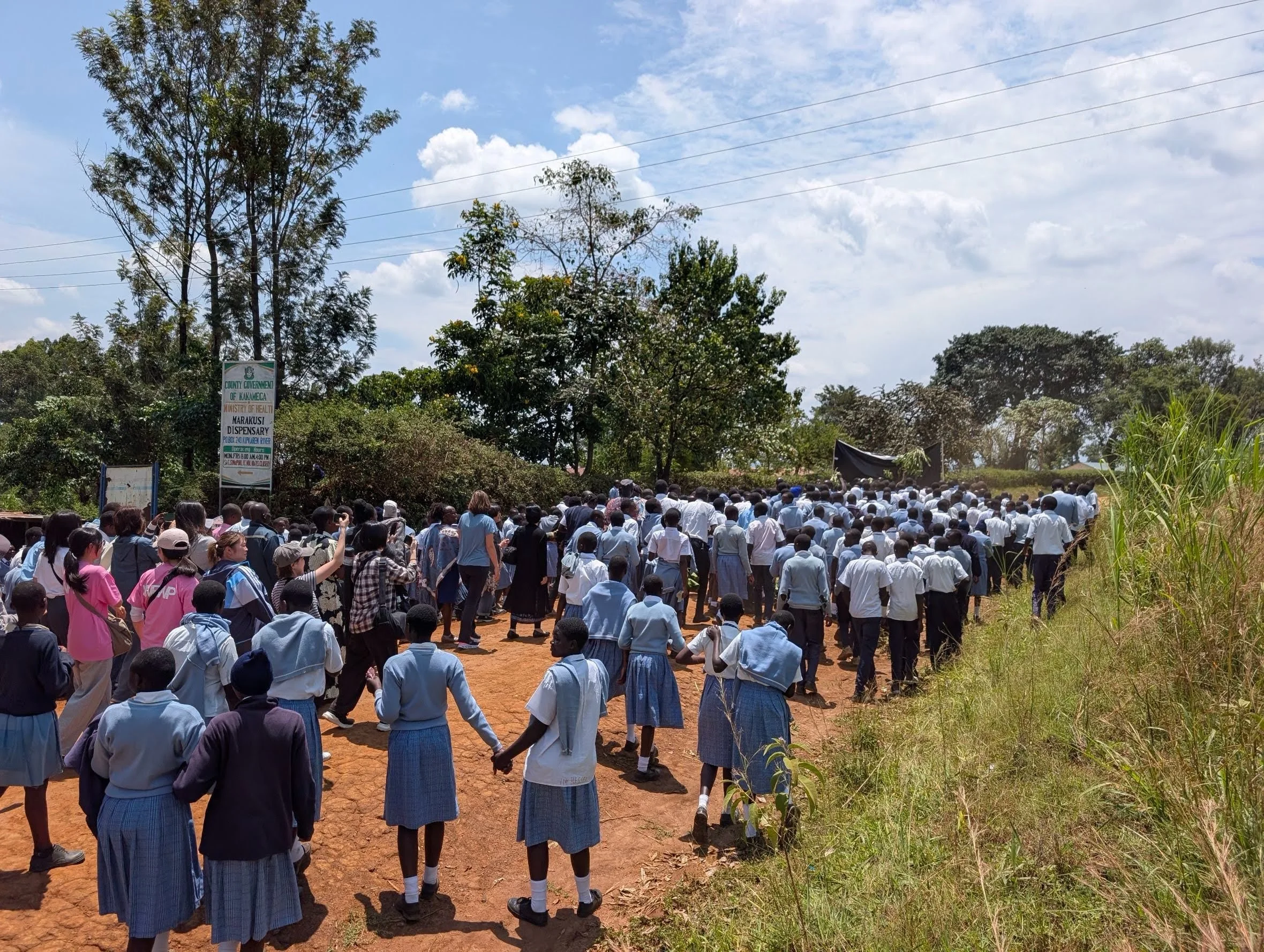
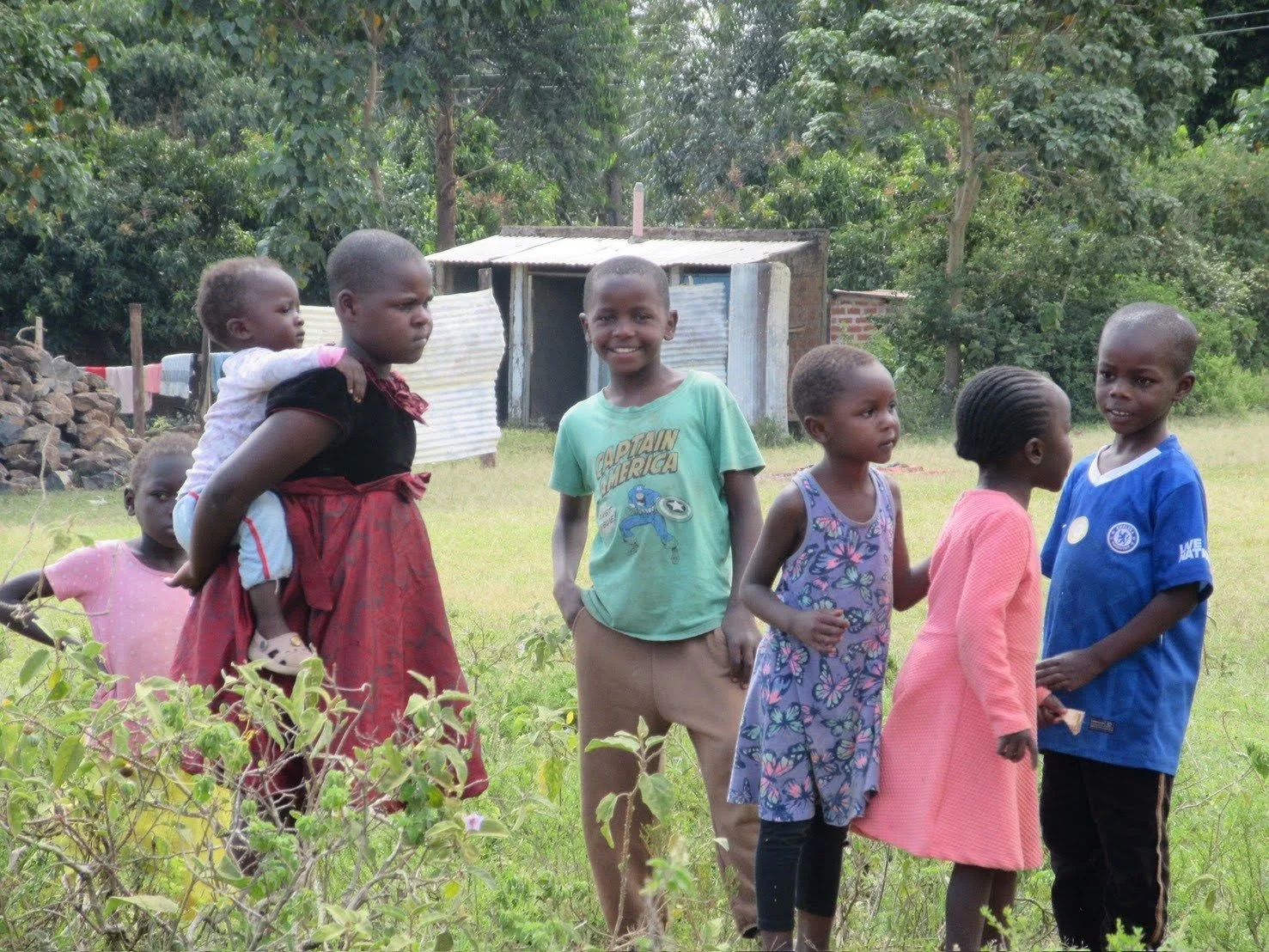
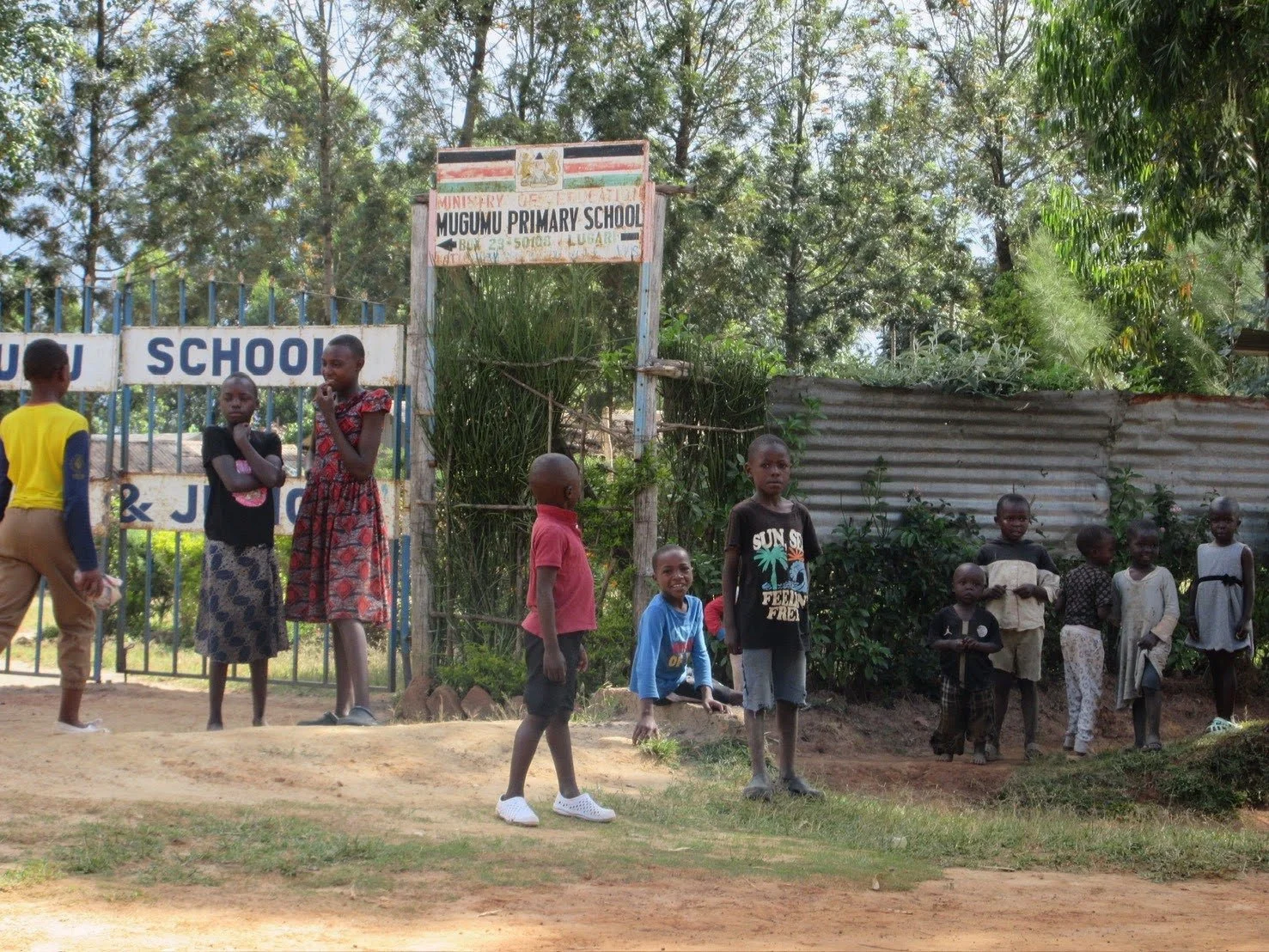
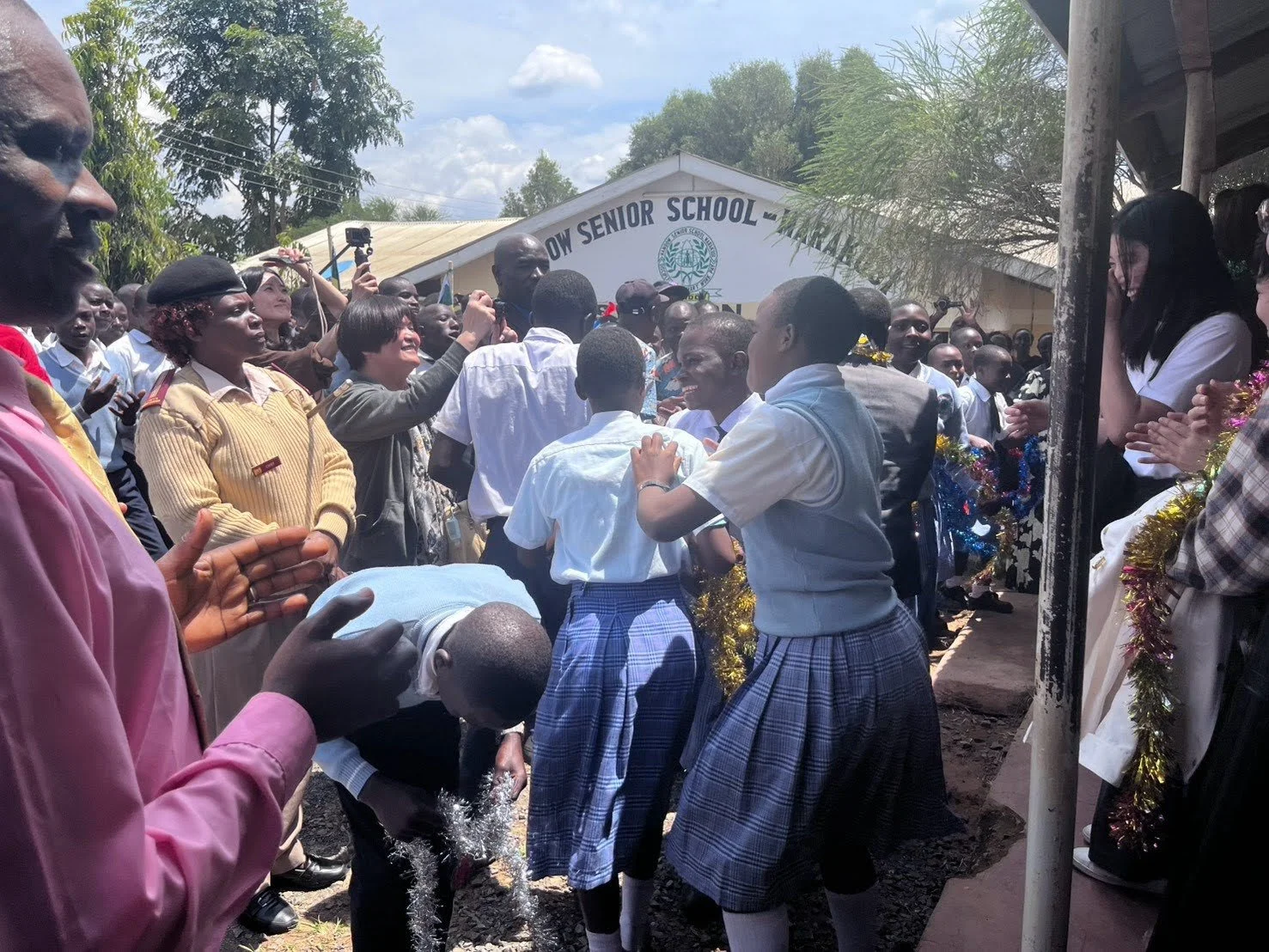
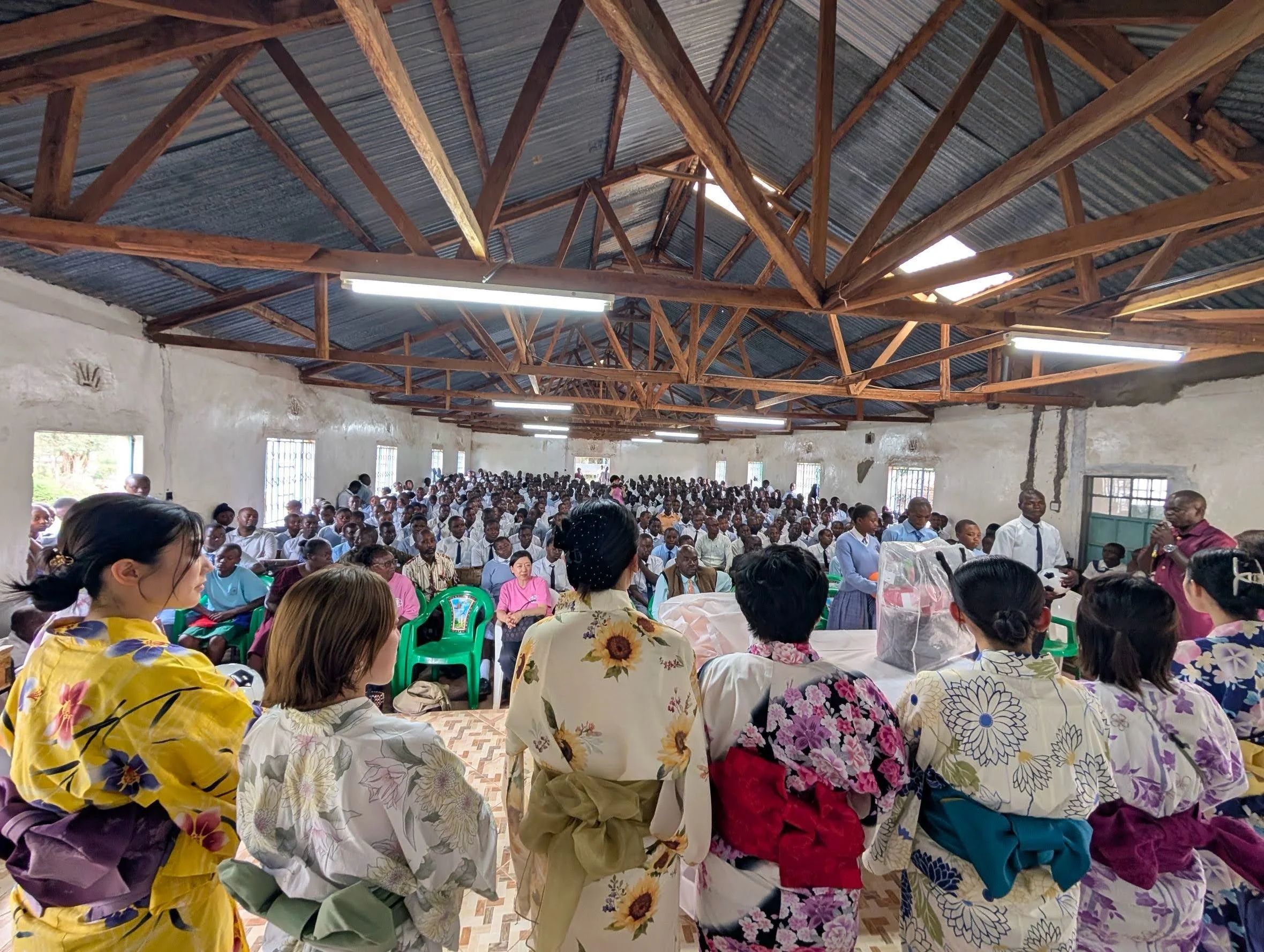
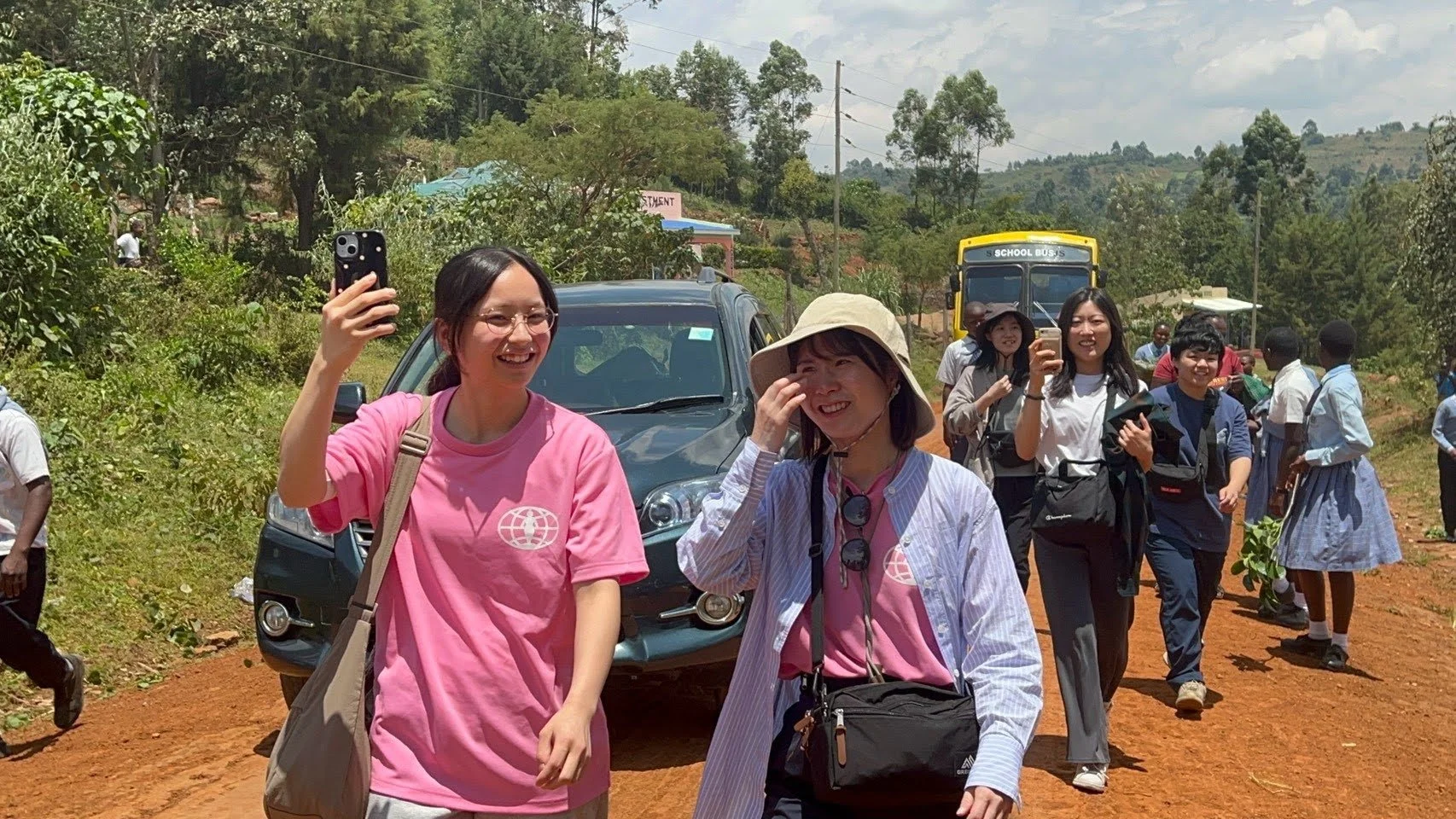
After two hours of bumping along dirt roads, navigating the deep ruts created by rain, we finally arrived at Handow. I could hardly believe the mighty cheer that greeted us. Over 500 students were waiting, together with teachers, staff, board members, and parents. We formed a noisy, joyful parade as we danced down the road, attracting the attention of children at the primary school next door. Students played drums, blasted horns, and sang in Swahili. We were all grinning ear to ear.
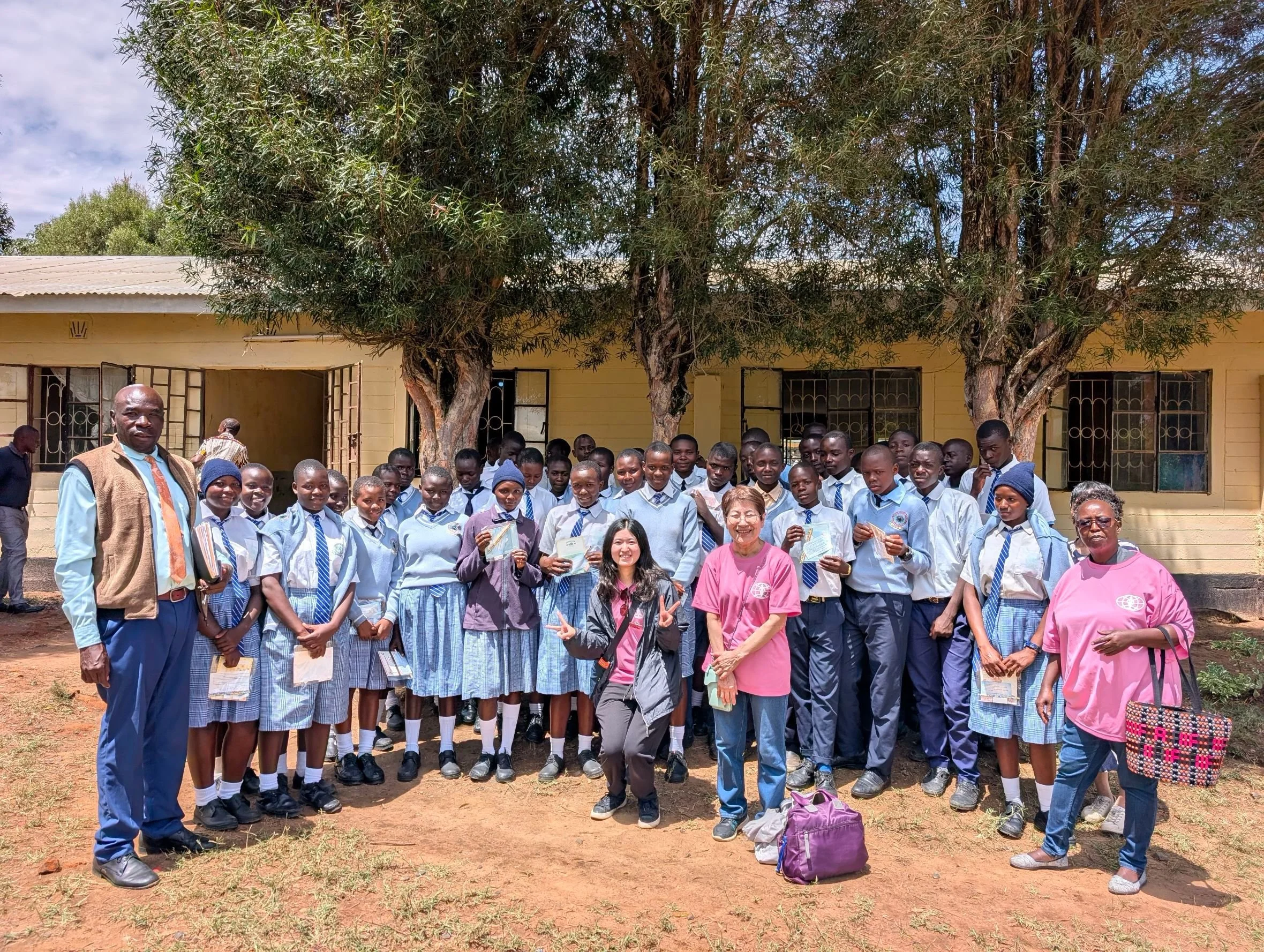
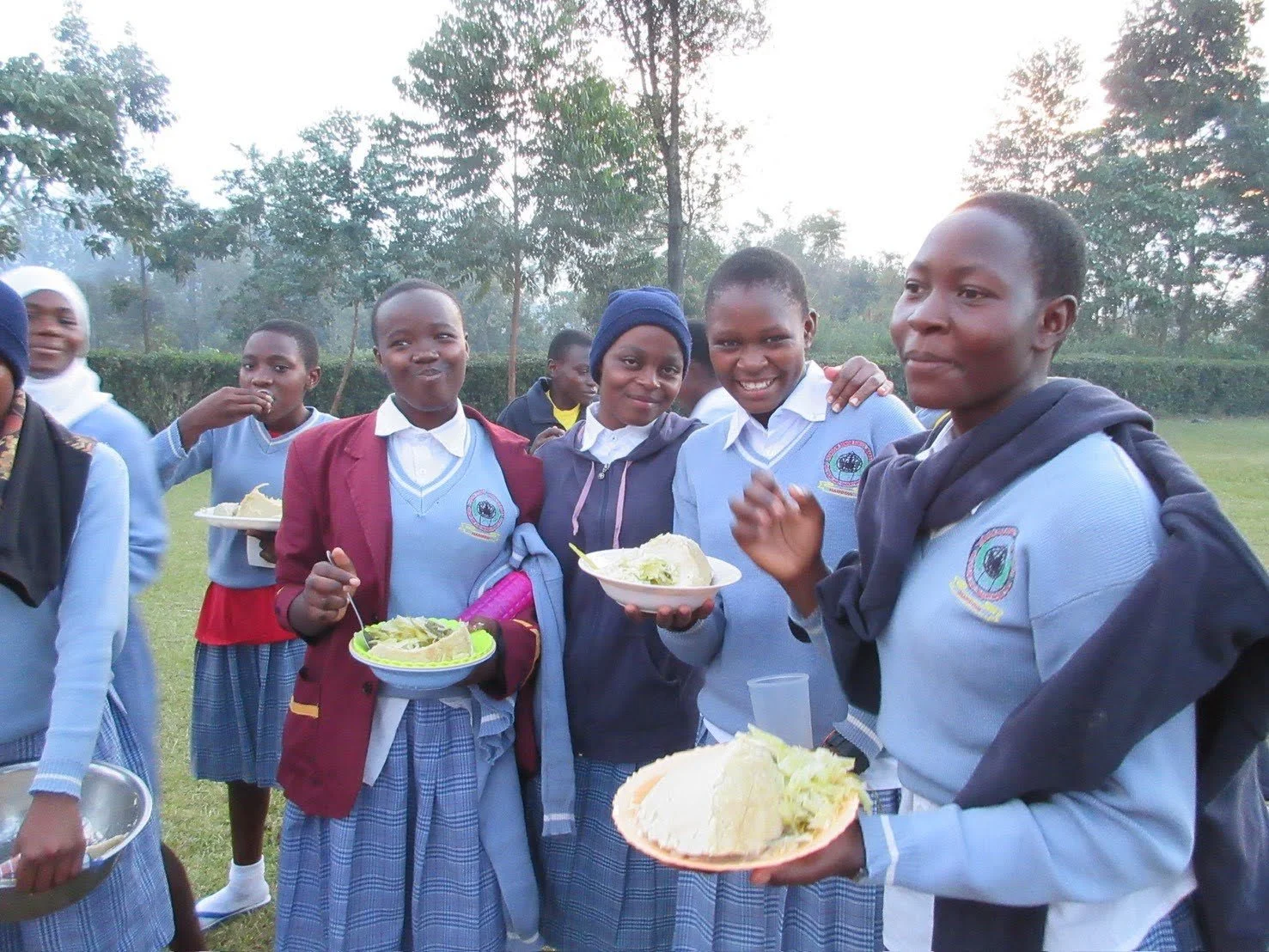
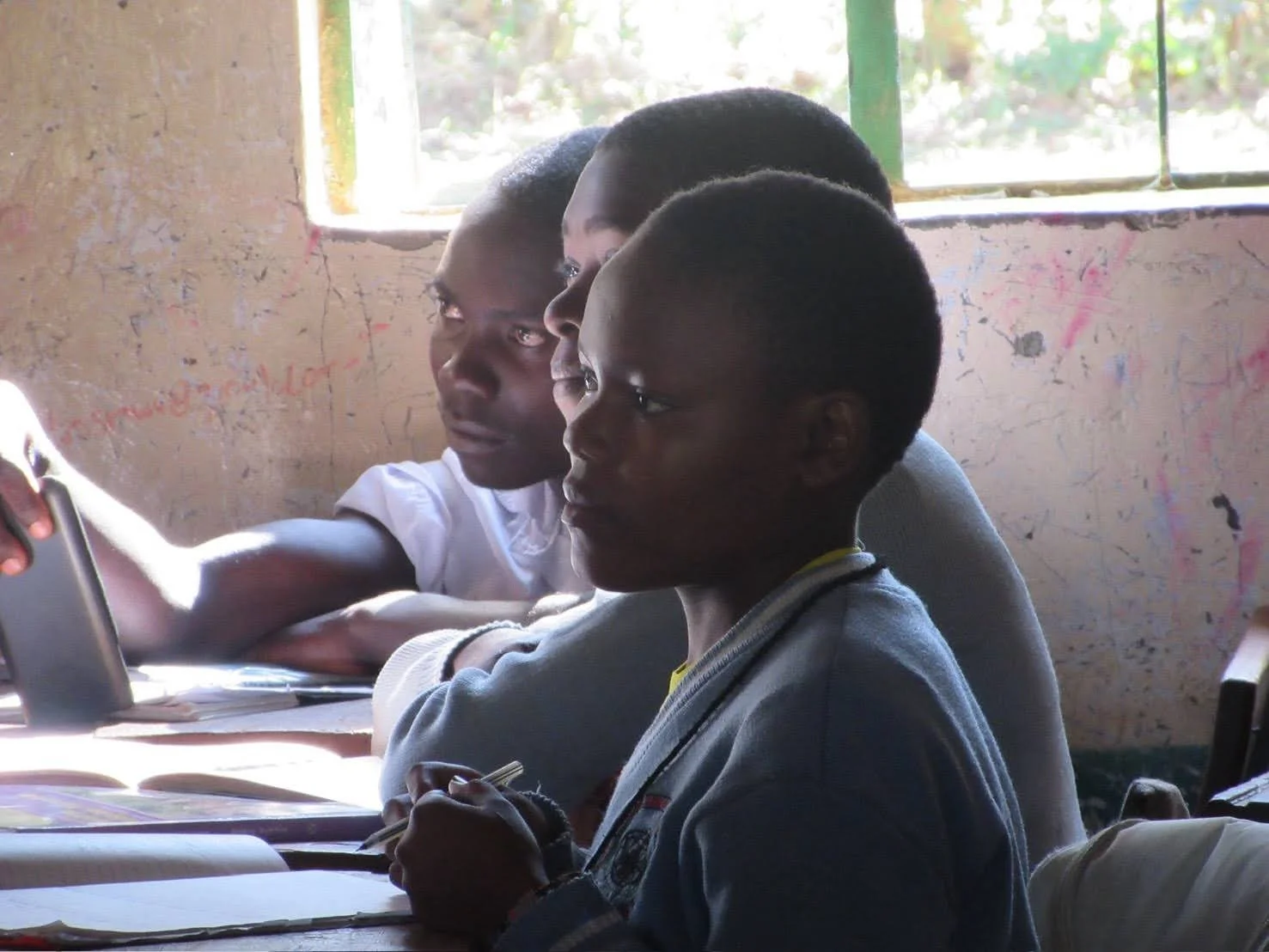
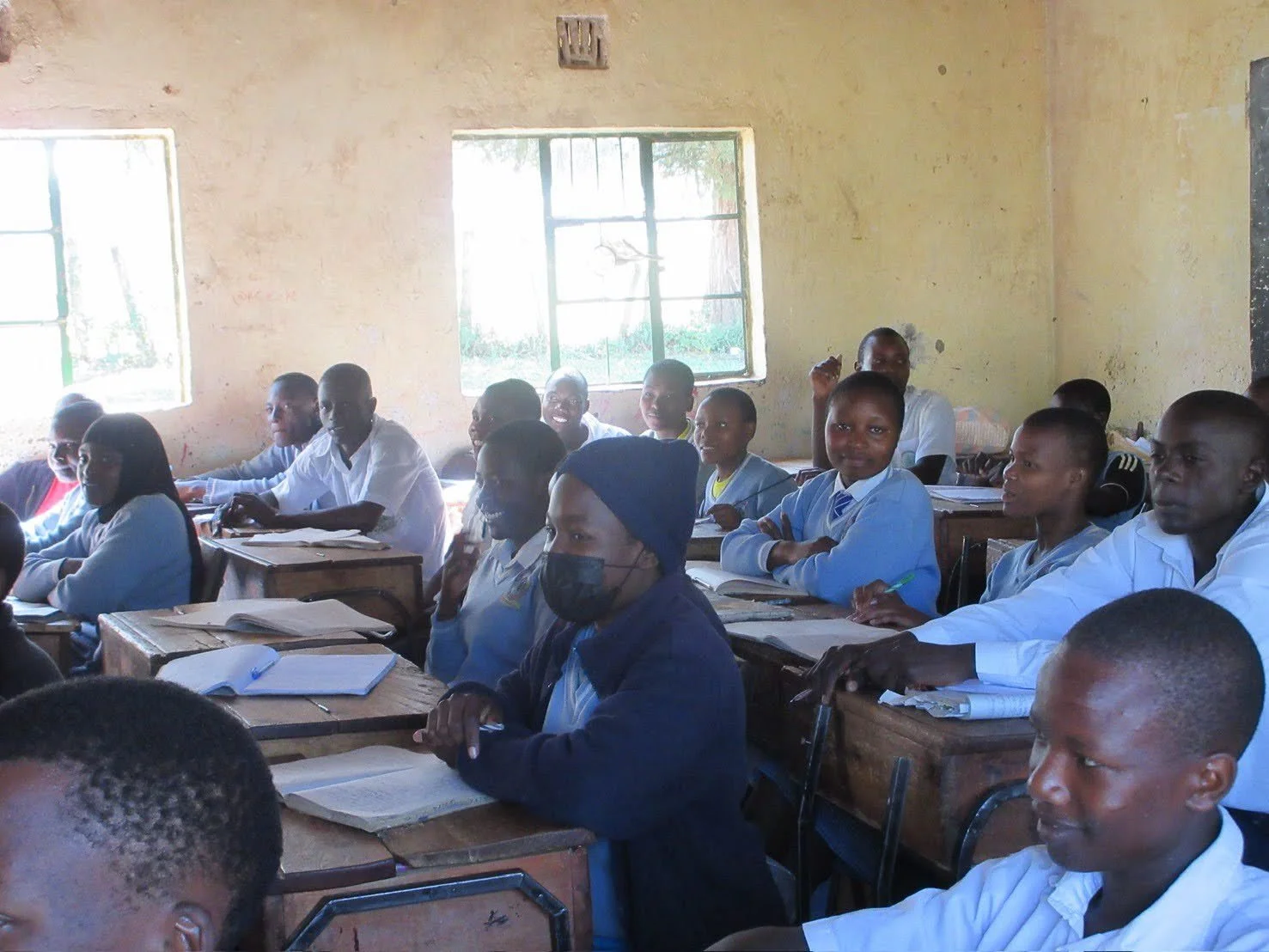
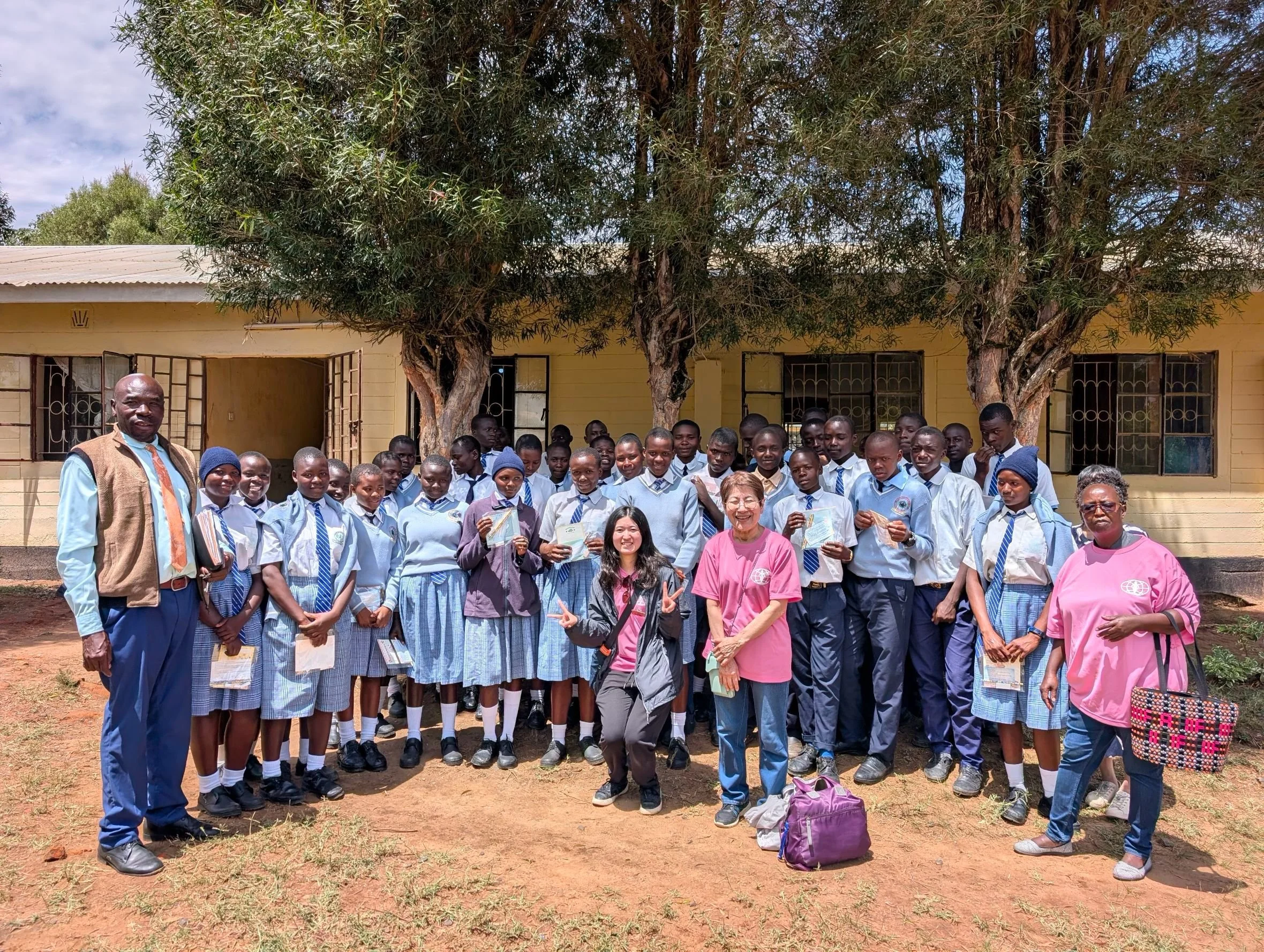
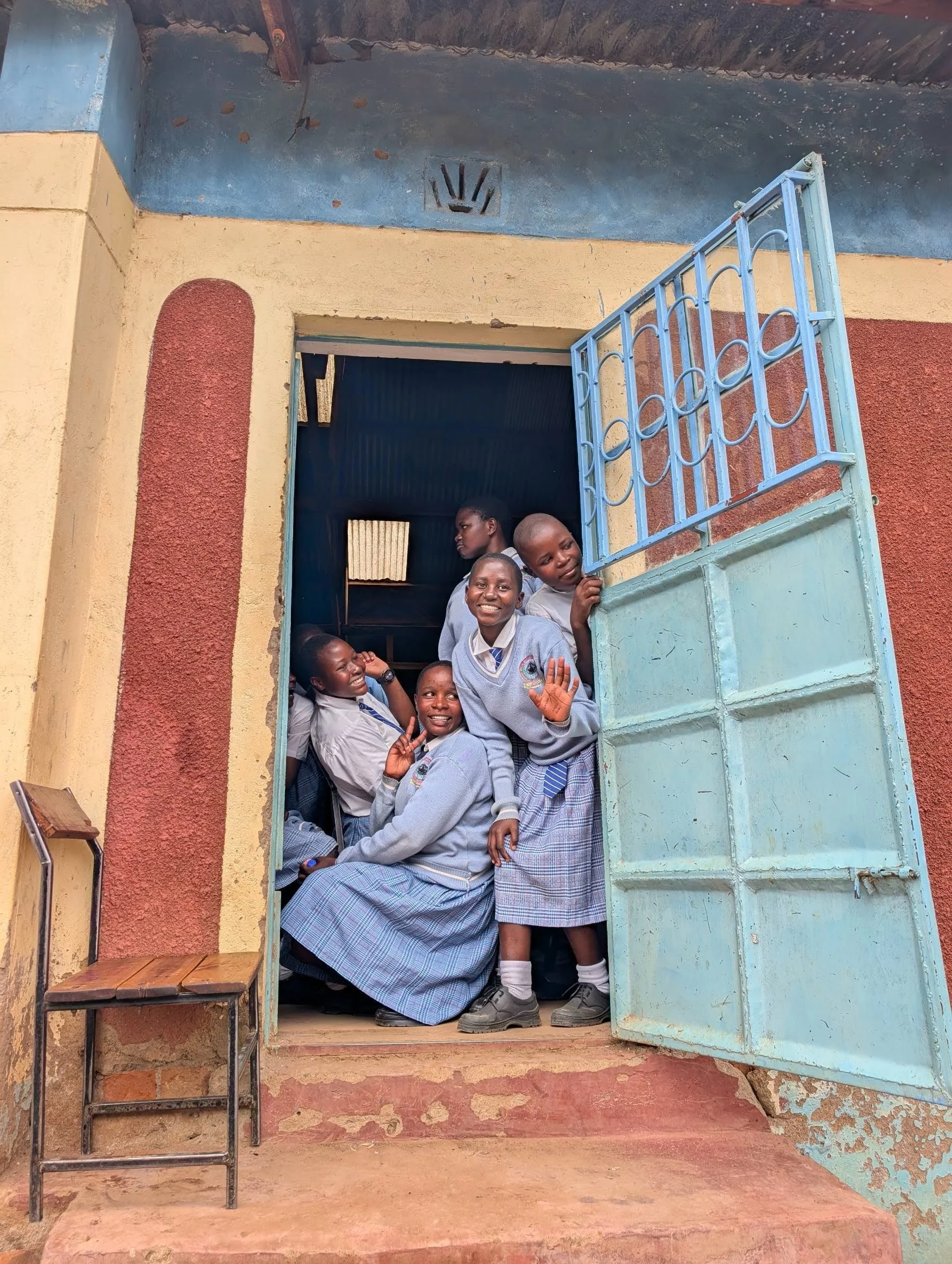
Throughout our three days at Handow, the students repeatedly showed up with an energy and enthusiasm that was infectious. At the end of the day, even if our daily lives are vastly different, they are simply teenagers like any other—bright high school students trying their best, dreaming big, and sharing an amazing excitement for life. We were peppered with questions, curious glances, and warm smiles. Parting was bittersweet, and I frequently find myself returning to memories of their smiles and the conversations we shared.
Above all, I wanted to convey to them that even though I didn’t get a chance to know every single person, there are people in the US who care deeply about them and their futures. The challenges of rural life in Kenya are very different from my own, and the need is great. But through Handow and other schools supported by the Schools of Africa Project, we hope to provide a safe, healthy place for these students to learn and grow—a place where the light in their hearts can be cultivated, giving them the courage and hope to build the lives they dream of. As the founders of WFWP have taught many times, life’s blessings are not meant for ourselves alone; God gives us blessings so that we can share them.